King Charles’ Tank Moment Sends a Message as Prince Harry’s UK Return Dominates Headlines
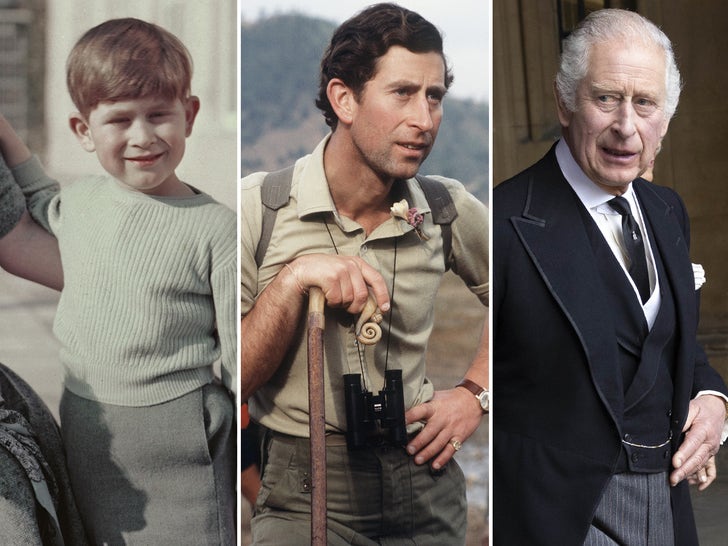
While headlines have been consumed by Prince Harry’s turbulent return to Britain and the continuing uncertainty surrounding a possible reunion with the Royal Family, King Charles quietly delivered a very different image — one that spoke volumes without saying a word.
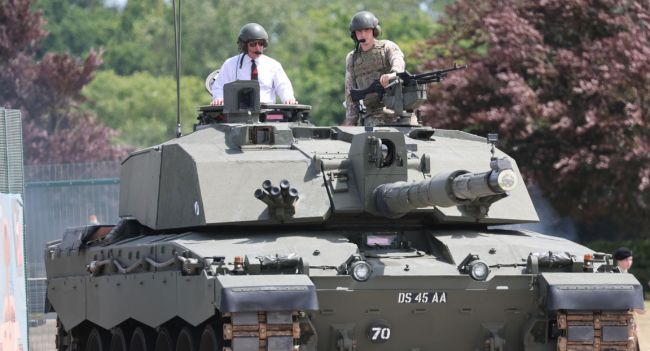
On Monday, the 77-year-old monarch traded royal ceremony for military steel as he climbed aboard a British Army Challenger 2 tank during his first official visit to the Royal Tank Regiment since becoming its Colonel-in-Chief. Wearing a military helmet, communications headset and dark sunglasses, Charles emerged from the tank’s turret looking remarkably at ease as the 60-ton armored vehicle thundered across Bovington Camp in Dorset.
The striking appearance instantly became one of the day’s most talked-about royal images.
Far from being a publicity stunt, the visit marked Charles’ first official engagement with the regiment after inheriting the honorary role from his late mother, Queen Elizabeth II, following his accession to the throne in 2023.
Throughout the visit, the King immersed himself in military life. He inspected the British Army’s next-generation Challenger 3 battle tank, examined cutting-edge drone technology and armored equipment, met serving soldiers and their families, and presented medals during the regiment’s annual Families Day celebration.
For Charles, whose military background includes service in both the Royal Navy and Royal Air Force during the 1970s, the engagement represented another reminder of one of the monarchy’s oldest responsibilities — maintaining close ties with Britain’s Armed Forces. Yet the timing inevitably invited comparison.
As Harry arrived back in Britain amid renewed debate over security arrangements, Buckingham Palace accommodation and whether his children Archie and Lilibet would eventually join him, Charles appeared focused entirely on public duty.
Rather than addressing family tensions, the King spent the day highlighting military service, national institutions and continuity — themes that have increasingly defined his reign.
The contrast could hardly have been sharper.
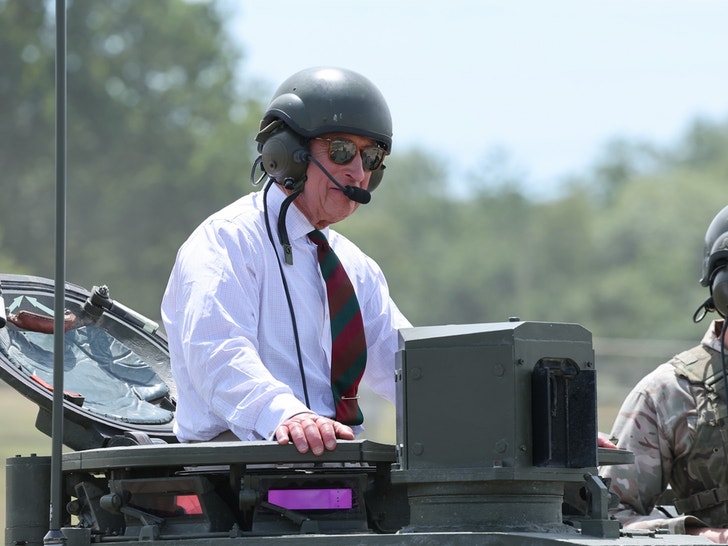
Harry’s visit has generated days of headlines surrounding palace negotiations, personal security, and the possibility of private family meetings. Charles, meanwhile, projected an image of stability, carrying out official engagements with little reference to the ongoing speculation surrounding his youngest son.
Royal observers have often noted that the monarchy tends to answer controversy not through public statements but through carefully chosen appearances. Monday’s tank engagement fit that pattern perfectly.
Images of the monarch confidently riding inside one of Britain’s most powerful military vehicles reinforced the message of a sovereign continuing to fulfill constitutional duties regardless of personal circumstances unfolding behind palace walls.
The visit also highlighted Charles’ long-standing support for Britain’s armed forces. Although much of his military career was ceremonial compared with active service members, his decades of involvement with military charities and regimental appointments have remained a consistent part of his public life.
For many royal watchers, the symbolism was difficult to ignore.
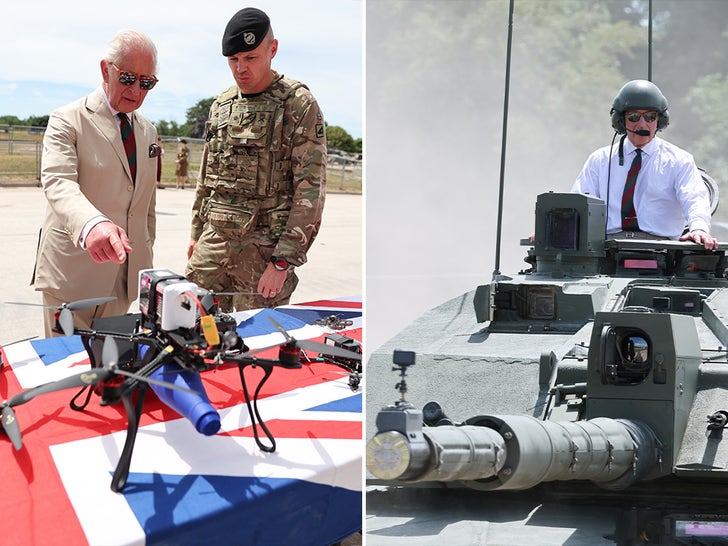
While one son dominated headlines through family drama and unresolved questions about reconciliation, the King generated attention by emphasizing service, tradition and institutional continuity.
Whether intentional or not, Charles’ appearance inside the Challenger 2 became more than just an unusual royal photo opportunity. It served as a visual reminder of where the monarch’s priorities remain: representing the Crown, supporting the Armed Forces and carrying on with official duties despite the ongoing turbulence surrounding the House of Windsor.
As Prince Harry’s visit continues to unfold, Charles’ unexpected ride in a battle tank may ultimately stand as one of the week’s defining royal images — not because of the vehicle itself, but because of the quiet message it conveyed.