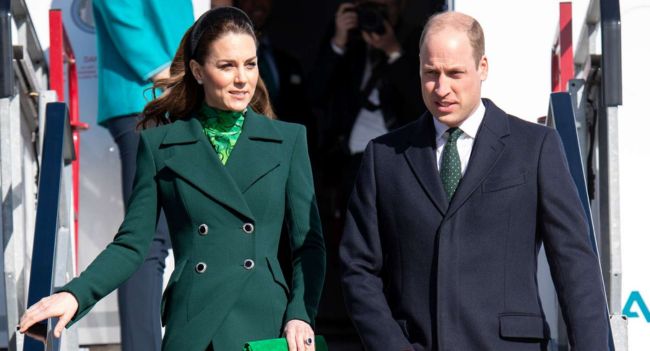
According to an official institutional palace dispatch and regional media logs published by Erica Marrison, the travel protocols of the British Royal Family encompass a surprising blend of state-funded luxury, strict safety regulations, and low-cost commercial flights. Official media correspondence logs and editorial files updated on Thursday, July 23, 2026, show that while senior royals regularly utilize Royal Air Force (RAF) VIP Voyagers and chartered jets funded by the Sovereign Grant for state visits, they frequently board commercial passenger planes for official tours and personal travel.

According to formal aviation records and royal financial reports, Prince William and Kate Middleton have repeatedly chosen commercial carriers, including British Airways and Aer Lingus, for high-profile overseas trips to India, Ireland, and the United States. The initial local reports show that the Prince and Princess of Wales have also utilized budget airlines such as EasyJet and the former Flybe for domestic travel within the United Kingdom, often boarding and disembarking quietly alongside regular passengers.

The unsealed institutional and historical documentation show that strict security traditions govern direct heirs to the throne. The treating risk analysts state that under long-standing royal protocol, two direct heirs—such as Prince William and his son Prince George—are required to travel on separate aircraft once a child reaches age 12 to safeguard the royal line of succession in the event of an aviation disaster.
:max_bytes(150000):strip_icc():focal(742x212:744x214)/prince-william-princess-catherine-dublin-airport-2020-072226-b452b8a19fab42ff8d1aa9ef1b0e7861.jpg)
According to formal updates from former royal flight crew members and auction archives, historic flight logs reveal specific personal preferences for senior monarchs during travel. The judicial and municipal representatives maintain that whether navigating strict succession rules or choosing budget commercial options, the royal family’s aviation logistics balance public expenditure, operational security, and diplomatic obligations.