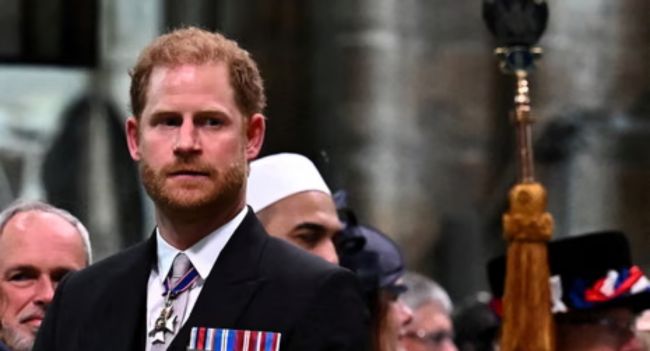
Prince Harry Is Still Royal—But the Palace Line He Can No Longer Cross
A prince by birth, a royal by name—but no longer a working representative of the Crown.
Six years after Prince Harry and Meghan Markle stepped back from their roles as senior working royals, the Duke of Sussex’s position within the monarchy remains one of the most debated—and misunderstood—questions in royal life.
Harry has repeatedly spoken about his connection to the royal family and has suggested that he will always remain part of it.
But being a member of the family is not the same as serving the institution.
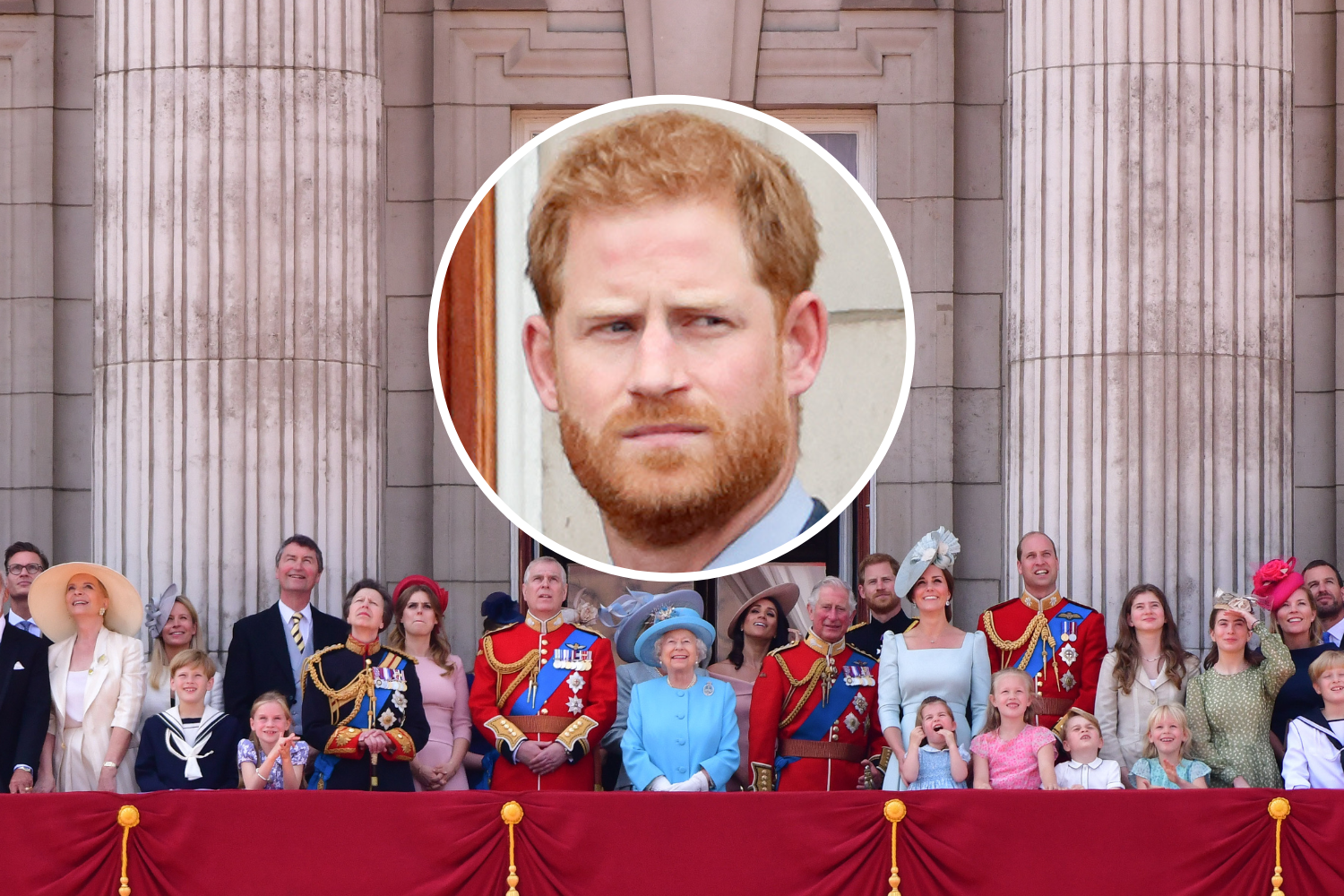
And that distinction has become increasingly important.
When Harry and Meghan announced in 2020 that they would step away from senior royal duties, the move marked one of the biggest changes to the modern monarchy in decades.
The couple later moved to California and began building an independent life away from the day-to-day structure of Buckingham Palace.
Since then, Harry has continued to make headlines around the world.
He has appeared at major public events, launched projects, given interviews and remained closely involved with the Invictus Games, the international sporting competition he founded for wounded, injured and sick service personnel and veterans.
But none of those activities make him a working royal.
The term working royal has a specific meaning inside the monarchy.
It refers to senior members of the royal family who officially represent the King and carry out public engagements on behalf of the Crown.
Working royals support the monarch through official visits, charitable events, ceremonies and duties connected to the institution.
Harry no longer performs that role.
He does not represent King Charles at official engagements, carry out duties on behalf of the monarchy or appear as part of the core working royal team.
That does not mean he has stopped supporting charitable causes.
Far from it.
His work with the Invictus Games remains one of the most important parts of his public life, and he continues to focus on veterans, mental health and community projects.
But his charitable work is separate from the official duties carried out by senior royals.
The difference may sound technical—but it has major consequences.
Harry can remain a prince.
He can remain the Duke of Sussex.
He can remain the King’s son and a member of the royal family.
Yet he is no longer part of the monarchy’s official working structure.
That unusual position has created a complicated public identity.
To some supporters, Harry is a royal who chose independence while continuing to serve causes close to his heart.
To critics, his continued use of royal titles while living outside the institution raises questions about where the line should be drawn.
The debate is unlikely to disappear anytime soon.
Harry’s relationship with King Charles has shown occasional signs of hope, while his bond with Prince William remains under intense scrutiny.
Every UK visit, private meeting or public appearance is examined for clues about whether the Duke could one day move closer to the royal family again.
But unless the Palace makes a formal decision to change his status, the current reality remains clear.
Prince Harry is still royal.
He is still part of the family.
But the role he once held inside the monarchy is no longer his.