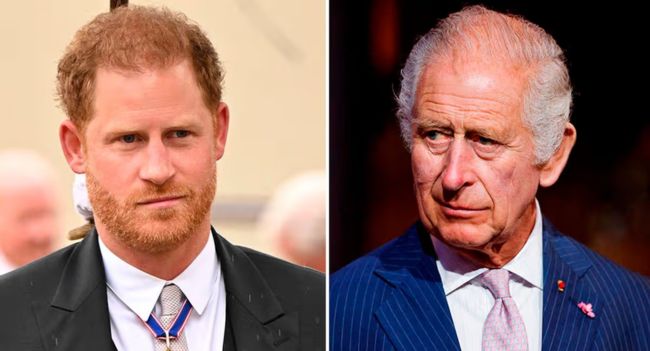
King Charles opens the palace door to Harry — but could the royal olive branch be moving too fast for William and Anne?

King Charles may be ready to welcome Prince Harry back into Buckingham Palace — but the reported gesture has sparked a fresh debate over whether the Royal Family is prepared to rebuild trust after years of painful division.
As Harry prepares to return to Britain for the WellChild Awards, reports suggest the King is willing to offer his younger son a place at the heart of the royal estate.
For some, it is a deeply personal act.
A father reaching out to his son.
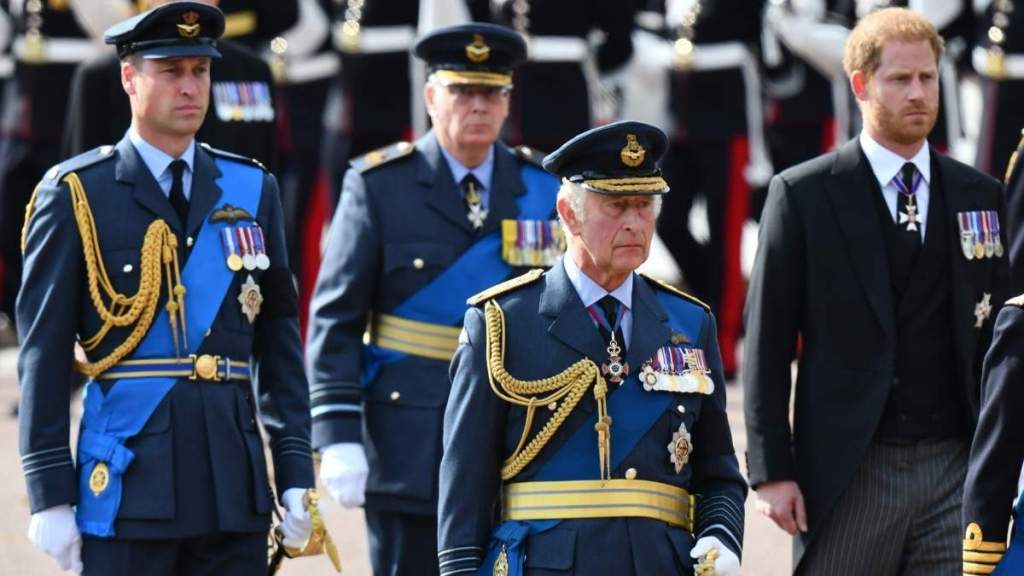
A quiet attempt to repair a relationship that has endured years of public tension.
But others believe the decision could be moving faster than the family is ready for.
Royal observers have claimed that Prince William and Princess Anne may have concerns about rebuilding trust too quickly, particularly after years of interviews, public revelations and disputes that placed the Royal Family under intense scrutiny.
No public statement has confirmed their private views.
Yet the reported differences highlight the difficult balance King Charles may face between family loyalty and the responsibilities of the Crown.
Buckingham Palace is not simply a family home.

It is the centre of the monarchy.
Its rooms have witnessed historic decisions, state occasions and generations of royal duty.
For that reason, any invitation to stay there carries symbolism far beyond accommodation.
Could welcoming Harry back represent a genuine step toward reconciliation?
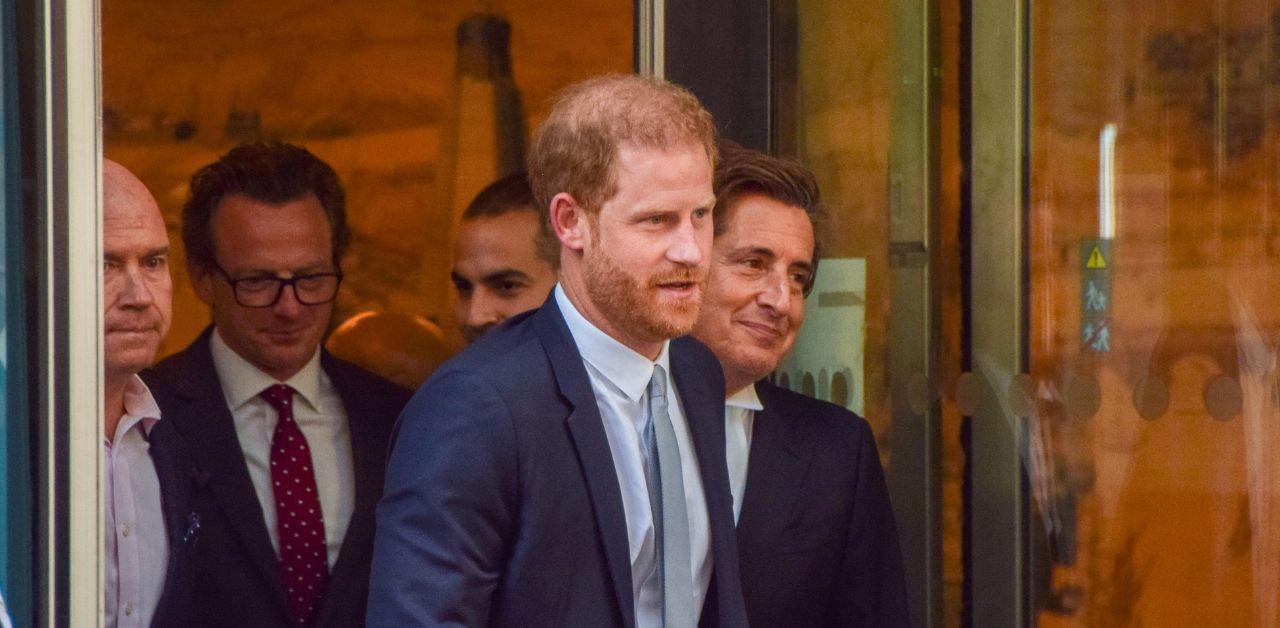
Or might it create the impression that royal access and family forgiveness are being restored before trust has fully healed?
Supporters of the King’s approach argue that reconciliation must begin somewhere.
They believe leaving the door open does not erase the past or guarantee Harry a return to official royal duties.
Instead, it may create an opportunity for private conversations away from headlines and public pressure.
For Charles, who has faced personal and professional challenges during his reign, maintaining a relationship with his younger son may be a deeply important goal.
But critics say compassion should not be confused with restoring privilege.
They argue that trust is built through consistent actions over time and that any new arrangement must protect the monarchy’s reputation for duty, responsibility and public service.
The debate has also drawn attention to the different roles within the family.
As the future King, William must consider the long-term stability of the institution he will one day lead.
Princess Anne, widely known for her commitment to royal duty, is often viewed as a strong defender of the traditional values that have helped sustain the monarchy for generations.
Their reported caution may therefore reflect institutional concerns rather than a rejection of family healing.
That leaves King Charles in a difficult position.
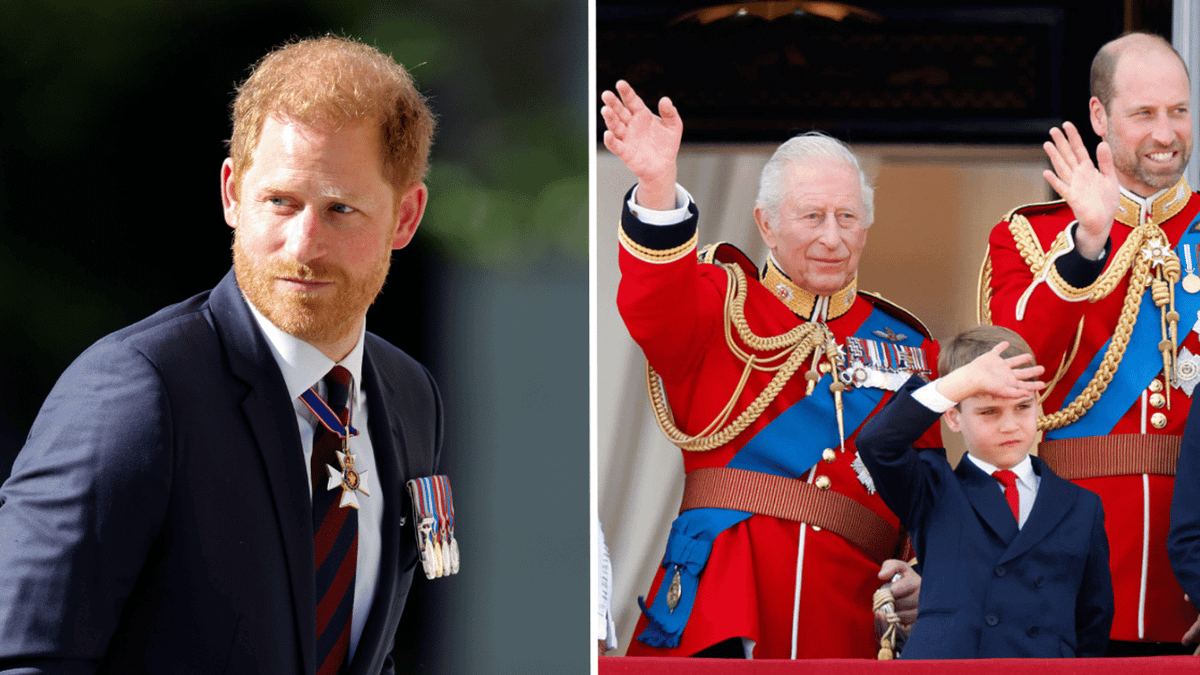
As a father, he may want to follow his heart.
As monarch, he must consider the wider consequences of every decision.
The two responsibilities do not always point in the same direction.
One open palace door.
One family still carrying years of tension.
And one question that could shape the future of the monarchy.

Is King Charles beginning a meaningful path toward unity?
Or is the Royal Family taking a gamble before trust has had time to recover?
For now, the answer remains behind palace walls.
But Harry’s next visit could reveal whether this royal olive branch is the start of genuine healing — or simply another fragile moment in a long and complicated family story.