
The Beatles’ “Day Tripper” Almost Didn’t Have the Guitar Riff That Made It Iconic
A newly released Beatles demo is giving fans a rare glimpse into a moment that happened long before “Day Tripper” became one of the band’s most recognisable songs — and it reveals that the track’s famous guitar riff wasn’t there from the beginning.
The newly released recording, titled Day Tripper (Songwriting Work Tape), comes from the upcoming expanded special edition of The Beatles’ 1965 album Rubber Soul. Rather than presenting a polished studio performance, the tape captures John Lennon and Paul McCartney working through the song together at Lennon’s home in Surrey.
What makes the recording particularly fascinating is how unfinished the song sounds compared with the version millions of fans eventually came to know.
Lennon and McCartney can be heard working through the chords, lyrics and harmonies while also laughing together as they develop the track. The informal recording provides an unusually direct look at the songwriting partnership behind some of The Beatles’ biggest songs.
But there is one major element missing. The iconic guitar riff that would eventually define “Day Tripper” had not yet arrived.
The riff that changed everything
Today, the opening guitar figure of “Day Tripper” is arguably as recognisable as the song itself.
But the newly released songwriting tape suggests that the song did not begin with that instantly recognisable hook.
Lennon and McCartney had already developed much of the song’s underlying structure, including its chords, lyrics and key harmonies. The famous riff, however, came later as the track continued to take shape.
That detail offers a fascinating glimpse into how The Beatles constructed their music.
Rather than every element appearing fully formed at once, “Day Tripper” developed piece by piece — with the songwriting duo establishing the foundation before one of its most memorable musical ingredients was added.
The finished riff was eventually recorded by George Harrison, although Lennon later maintained that he had written it, along with the vast majority of the song.
That makes the newly released tape particularly valuable for Beatles fans: it allows listeners to hear the song before the defining guitar figure had become part of its identity.
A rare window into Lennon and McCartney at work
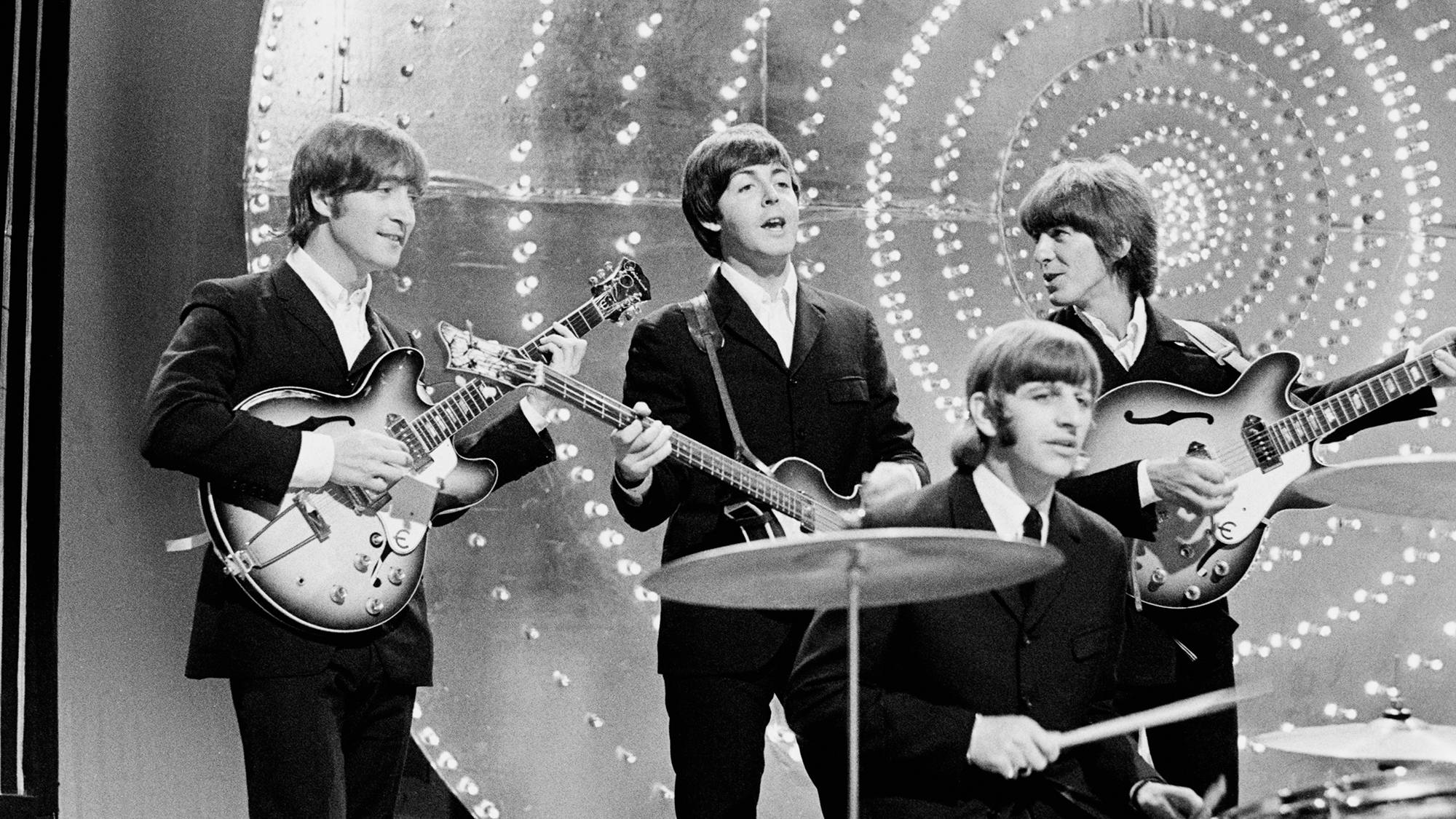
The recording also captures something that polished Beatles recordings naturally cannot — the interaction between Lennon and McCartney while they were still figuring out what the song could become.
The pair are heard working through ideas at Lennon’s Surrey home, with moments of laughter mixed into the creative process.
That informal atmosphere stands in contrast to the finished recording, which would go on to become one of the band’s most celebrated singles.
For listeners accustomed to hearing The Beatles’ music in its completed form, the work tape provides an opportunity to hear the creative process itself rather than simply the final result.
It is a reminder that even songs that eventually sound effortless can go through a period of experimentation and uncertainty before all the pieces fall into place.
“Day Tripper” emerged during the Rubber Soul sessions
The song was created during the sessions for Rubber Soul, the album that marked an important turning point in The Beatles’ career.
Released on December 3, 1965, Rubber Soul arrived after an extraordinary year for the group, during which their music continued to develop rapidly despite the pressures of touring.
The band also experimented with new instruments and sounds during this period.
George Harrison was using his 1965 Rickenbacker 360-12, while John Lennon had matching Sonic Blue 1961 Fender Stratocasters and Paul McCartney played a Rickenbacker 4001S bass.
The sessions produced a remarkable collection of songs, including “Norwegian Wood,” “Michelle,” “In My Life” and “Nowhere Man.”
But they also produced two songs that would become a major part of The Beatles’ 1965 story: “We Can Work It Out” and “Day Tripper.”
The Beatles drew inspiration from American soul
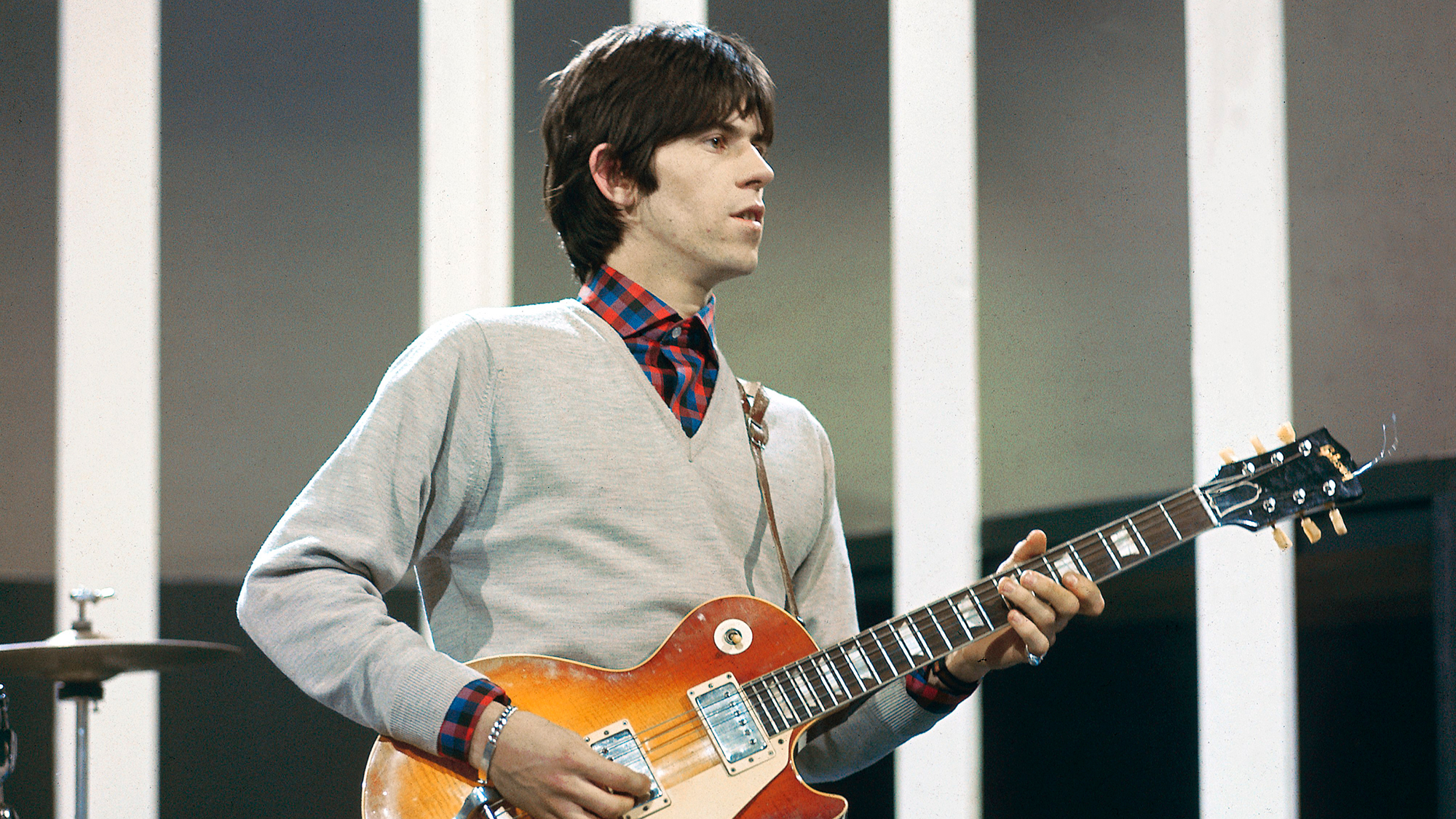
“Day Tripper” also reflected the band’s growing interest in American soul music.
That influence helped give the track its distinctive musical character, while the combination of the songwriting and guitar work created a sound that stood apart from much of the band’s earlier material.
In the United Kingdom, “Day Tripper” was paired with “We Can Work It Out” as a double A-side single.
The release became a major commercial success, eventually ranking as the seventh highest-selling single of the 1960s in the UK and becoming the Christmas number one of 1965.
What began as an unfinished songwriting session would therefore become part of one of the most important periods in The Beatles’ career.
The new edition reveals even more of the process
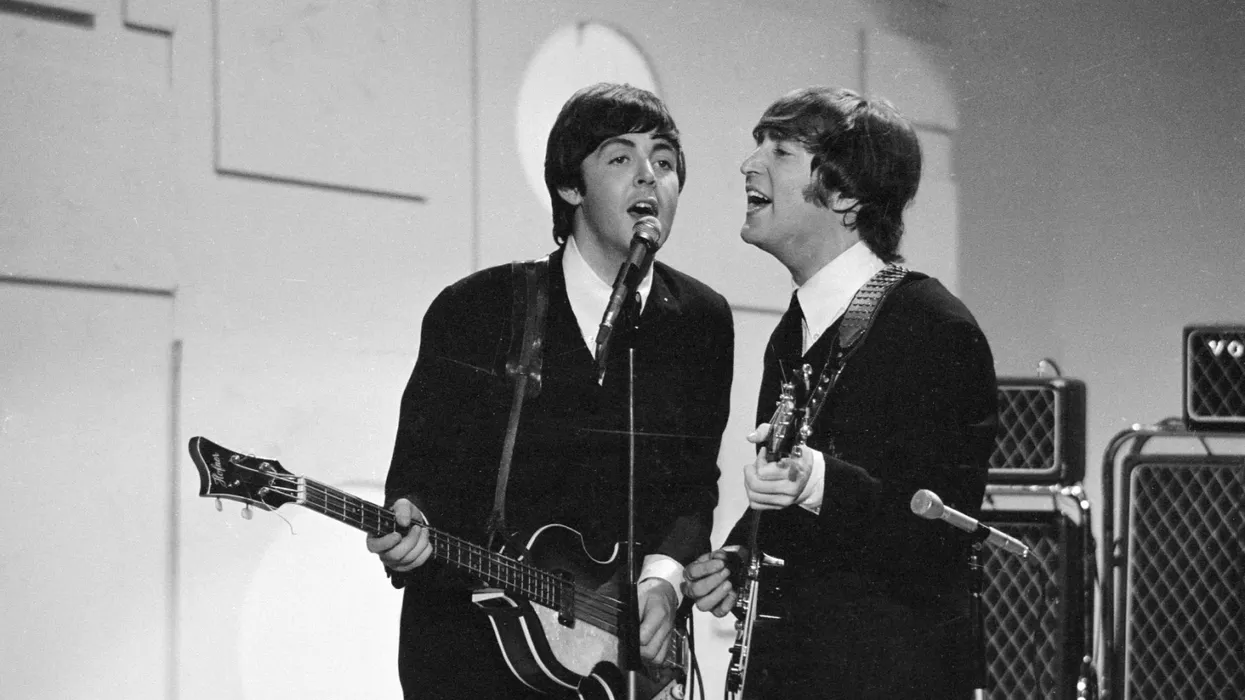
The newly announced Rubber Soul Special Edition is designed to take fans much deeper into the album’s creation.
The expanded release has been newly mixed by producer Giles Martin and engineer Sam Okell, opening up the studio sessions behind the classic record.
The collection includes 24 early session recordings, among them 20 previously unreleased takes and three previously unreleased home demos.
The new edition will also include a new stereo mix, the original mono mix, the original Capitol US album version and the contemporary “Day Tripper” / “We Can Work It Out” single.
That makes the newly released “Songwriting Work Tape” more than simply an alternate version of a famous song.
It is a piece of the creative history behind it.
Hearing “Day Tripper” before the famous riff
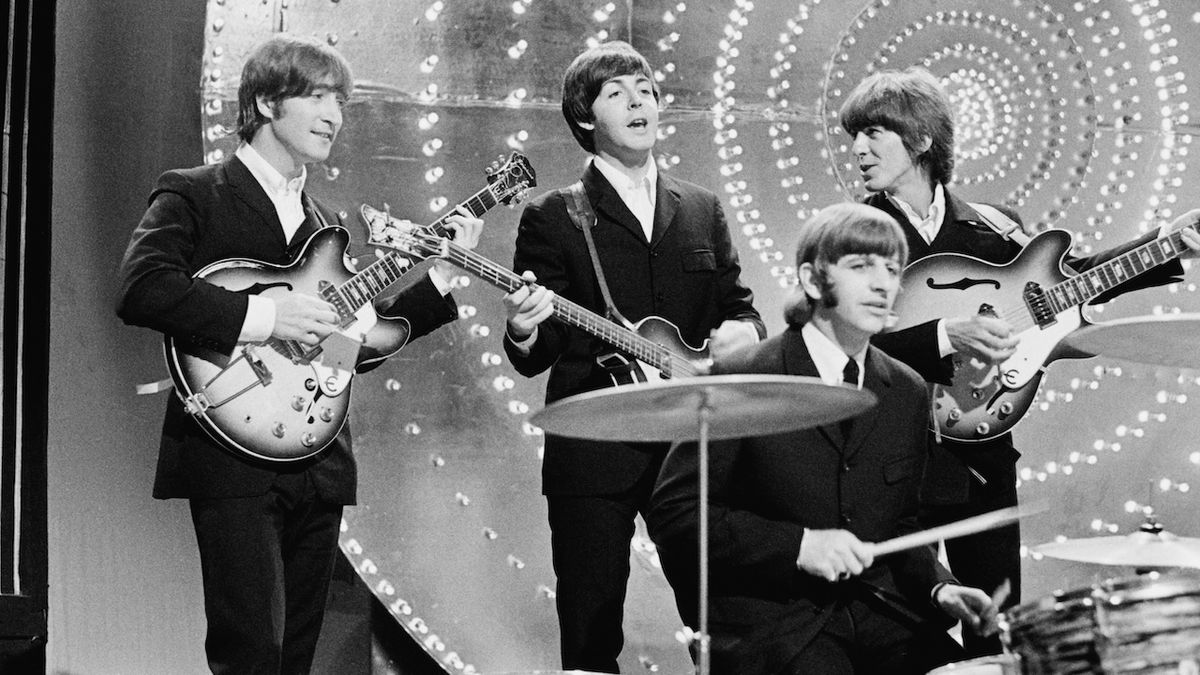
Perhaps the most striking thing about the demo is how different the song’s history feels when the famous guitar hook is taken out of the equation.
For generations of listeners, the riff and “Day Tripper” have effectively been inseparable.
Yet the work tape shows that the song existed before that defining musical idea was fully in place.
Lennon and McCartney had the foundations. They had the words. They had the chords and harmonies.
But the element that would eventually make the opening instantly recognisable came later.
That small detail offers a rare look at the way The Beatles’ songwriting partnership worked in practice.
It also shows why archival recordings like this can be so revealing. A finished Beatles song can sound inevitable — as though every note had always been destined to be exactly where it is.
The songwriting tape tells a different story. It captures the song in the middle of becoming “Day Tripper.”
And for Beatles fans, hearing Lennon and McCartney work through those early ideas — before George Harrison laid down the riff that became inseparable from the finished track — offers a fascinating reminder that even one of the band’s most iconic songs started out as an unfinished idea being shaped in real time.