
Congratulations!
You've earned 1 point
Death of the Pastor’s Wife: Where the Mica Miller Case Stands Now
Netflix’s three-part true-crime documentary Death of the Pastor’s Wife revisits Mica Miller’s life, her troubled marriage to pastor John-Paul “JP” Miller, the circumstances surrounding her death, and the legal battle that followed.
The series, now streaming on Netflix, examines allegations of coercive control and abuse through Mica’s journals, text messages, videos, police reports and medical records, alongside interviews with her family and friends. It also looks at JP Miller’s federal charges and the ongoing effort to pass legislation known as “Mica’s Law.”

A marriage that became increasingly controlling
Mica Miller grew up around Solid Rock Church in Myrtle Beach, South Carolina, where her family began attending when she was a teenager. She became deeply involved in the church and eventually took on a leadership role in its choir.
At 18, Mica married her first husband, Jeremy, in a ceremony officiated by JP Miller, who was 15 years older than her. She later worked as JP’s assistant.
According to Mica’s family and the people interviewed in the documentary, JP gradually crossed the boundaries between pastor, mentor and church leader. Their relationship became romantic while both were married.
In July 2015, JP publicly acknowledged what he described as a “moral failing” in his marriage. His marriage and Mica’s eventually ended, and the two went on to build a relationship of their own.
The filmmakers describe the relationship as one in which JP increasingly influenced Mica’s independence, self-esteem and personal decisions. Executive producer Alana Goldstein characterizes this as a pattern of control that developed gradually rather than through one isolated incident.
What coercive control looked like in Mica’s life
A central focus of Death of the Pastor’s Wife is coercive control — a form of domestic abuse that can involve psychological, emotional and financial manipulation without necessarily leaving visible physical injuries.
The documentary examines how, according to Mica’s friends and family, control allegedly extended into multiple areas of her life, including her faith, relationships, finances and body.
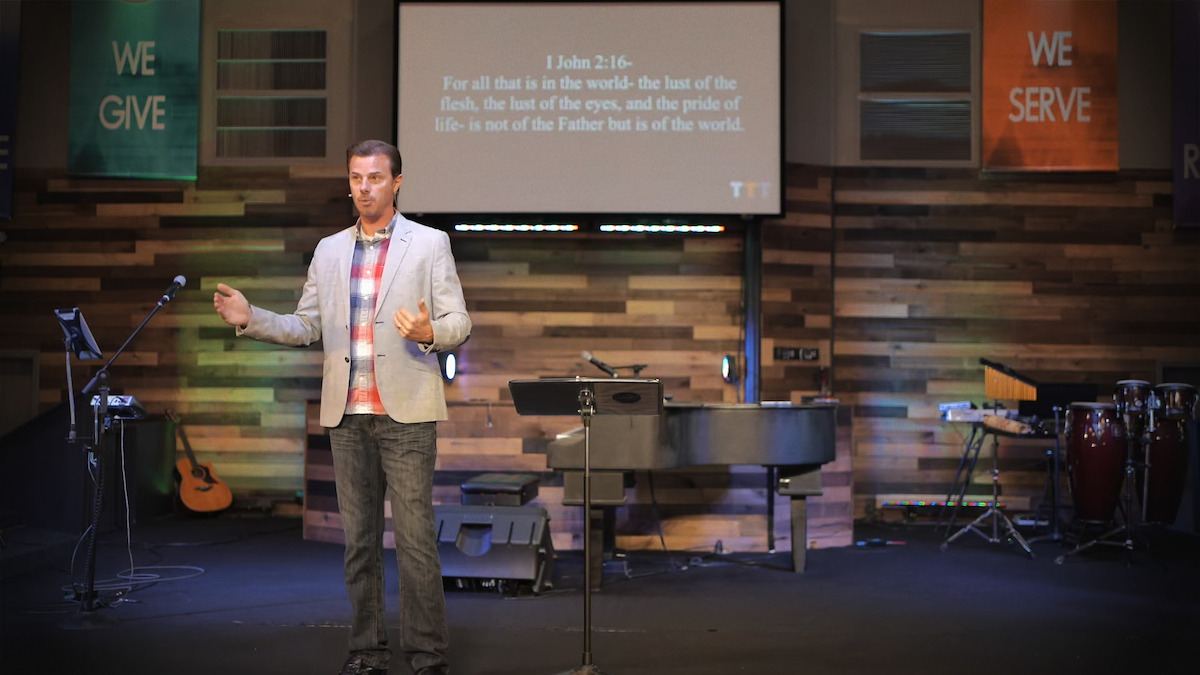
The filmmakers also explore the role of Solid Rock Church and JP’s position as a pastor. Recorded sermons feature JP discussing marriage and a wife’s responsibilities toward her husband, including sexual obligations.

Mica’s friend Charlotte Korn recalls that even ordinary aspects of her daily life could be subject to rules. She says Mica once told her not to call before 11 a.m. unless Mica contacted her first because JP did not want her getting out of bed before him.
The documentary argues that these individual incidents became significant when viewed as part of a much longer pattern.
According to director Julia Willoughby Nason, Mica repeatedly sought help from friends, family, church members and law enforcement but struggled to find effective protection.
As Mica attempted to leave the marriage, the allegations escalated. The series documents claims involving tracking devices placed on her vehicle, damaged tires, repeated calls and messages, and the alleged posting of an intimate photograph of Mica on Facebook without her consent.
Those incidents would later become central to the federal cyberstalking case against JP Miller. The filmmakers say their reconstruction relies heavily on documentary evidence, including police reports, medical records and thousands of text messages and other writings.
Mica’s final months
Mica spent years trying to preserve her marriage, but by early 2024 she had decided to leave.
The documentary describes an alleged affair between JP and Suzie Skinner, a member of the congregation, as another major blow to the relationship. According to the series, Mica confronted JP and obtained a written promise that the relationship would end.
By spring 2024, Mica had hired an attorney and filed for divorce.
In a handwritten affidavit accompanying the filing, she described experiencing abuse that she said was emotional, sexual, spiritual, financial and physical.
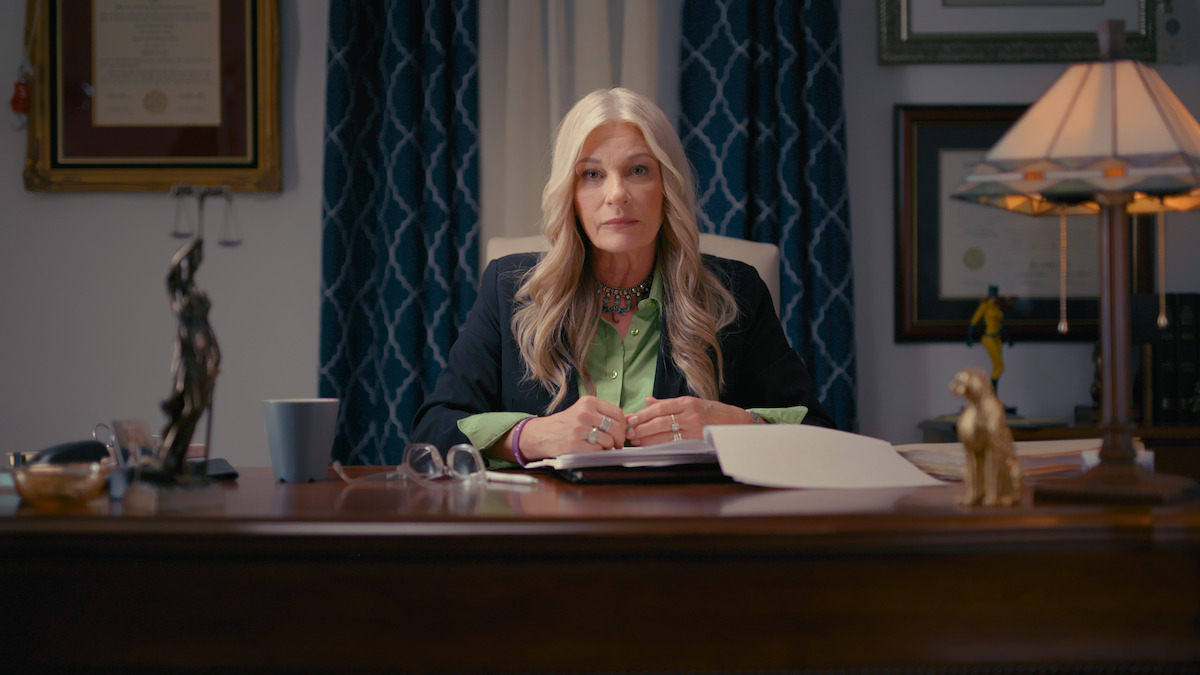
A court hearing was not scheduled until June 5, and no restraining order was in place. Mica’s attorney, Regina Ward, says in the documentary that there was therefore nothing legally preventing JP from contacting her.
Friends also described Mica as frightened during this period.
On April 27, 2024 — two days after she served JP with divorce papers — Mica left the apartment where she was staying to work a noon shift at a café. She never returned.
Later that day, she was found dead at Lumber River State Park in North Carolina. She was 30 years old.
Her death was ruled a suicide on May 7, and the Robeson County investigation was closed.
Netflix’s companion coverage notes that Mica had previously told police she was afraid for her life, adding another layer to the questions surrounding her final weeks.
JP Miller’s response
After Mica’s death, JP spoke about the case from the pulpit and, according to Mica’s brother Nate, announced that she had died by suicide before the coroner had issued the official ruling.
He also sought access to Mica’s journals and counseling records. Her counselor, Laura Hucks, interpreted those efforts as an attempt to gain control over the information surrounding Mica and shape the narrative about her life.
Investigative correspondent Rich McHugh later interviewed JP, who arrived carrying a binder he described as his “evidence.”
The filmmakers distinguish the circumstances of Mica’s death from the allegations against JP. While the documentary examines how his alleged behavior may have affected her, JP has not been charged in connection with Mica’s death.
What happened to JP Miller?
In December 2025, a federal grand jury indicted JP Miller on two counts.
The first is cyberstalking, alleging a pattern of harassment directed toward Mica from November 2022 until her death. The allegations include tracking her, repeatedly contacting her, tampering with her vehicle and sharing an intimate image without her consent.
The second count involves making false statements to federal investigators.
JP pleaded not guilty to the charges and remains free on bond. He has not been charged in relation to Mica’s death.
The federal trial has also faced several delays. A court-ordered continuance filed in August 2026 moved the case to the October 2026 term.
Meanwhile, JP’s personal and professional circumstances have changed. He married Suzie Skinner in June 2025, and the former Solid Rock Church building and property have been sold.
According to people interviewed for the documentary, JP continues to preach to a small congregation of around 15 to 20 people at temporary locations around Myrtle Beach, with Skinner leading worship.
What is “Mica’s Law”?

The documentary also turns its attention to the legal reforms Mica’s family hopes will prevent similar situations in the future.
Her family supports South Carolina SB 702, which they refer to as “Mica’s Law.” The proposed legislation seeks to recognize coercive control as part of domestic violence and expand the legal definition to include psychological, emotional and financial abuse.
It would also require law enforcement training to help officers identify coercive control, which often leaves no obvious physical evidence.
The proposed legislation would make coercive control a felony punishable by up to 10 years in prison.
However, SB 702 did not become law during the 2026 legislative session. State Sen. Stephen Goldfinch, a co-sponsor, has said he intends to introduce it again in the next session.
For Mica’s family, the legislation is an attempt to address what they see as a gap in the system — particularly when victims report stalking or abuse by a spouse.
A story that continues beyond the documentary

Death of the Pastor’s Wife is ultimately less about a single moment than the years of events that preceded it.
Through Mica’s own journals and messages, archival footage, interviews with relatives and friends, and official records, the series attempts to reconstruct a relationship that her family says became increasingly restrictive and difficult to escape.
The filmmakers also hope the documentary draws attention to coercive control more broadly and encourages people experiencing similar situations to recognize that they are not alone.
Death of the Pastor’s Wife premiered on Netflix on August 26, 2026, and all three episodes are now streaming.