Billy Gibbons Reveals Dusty Hill and Frank Beard Chose Their Own ZZ Top Replacements — ‘We’re Following Their Instructions’
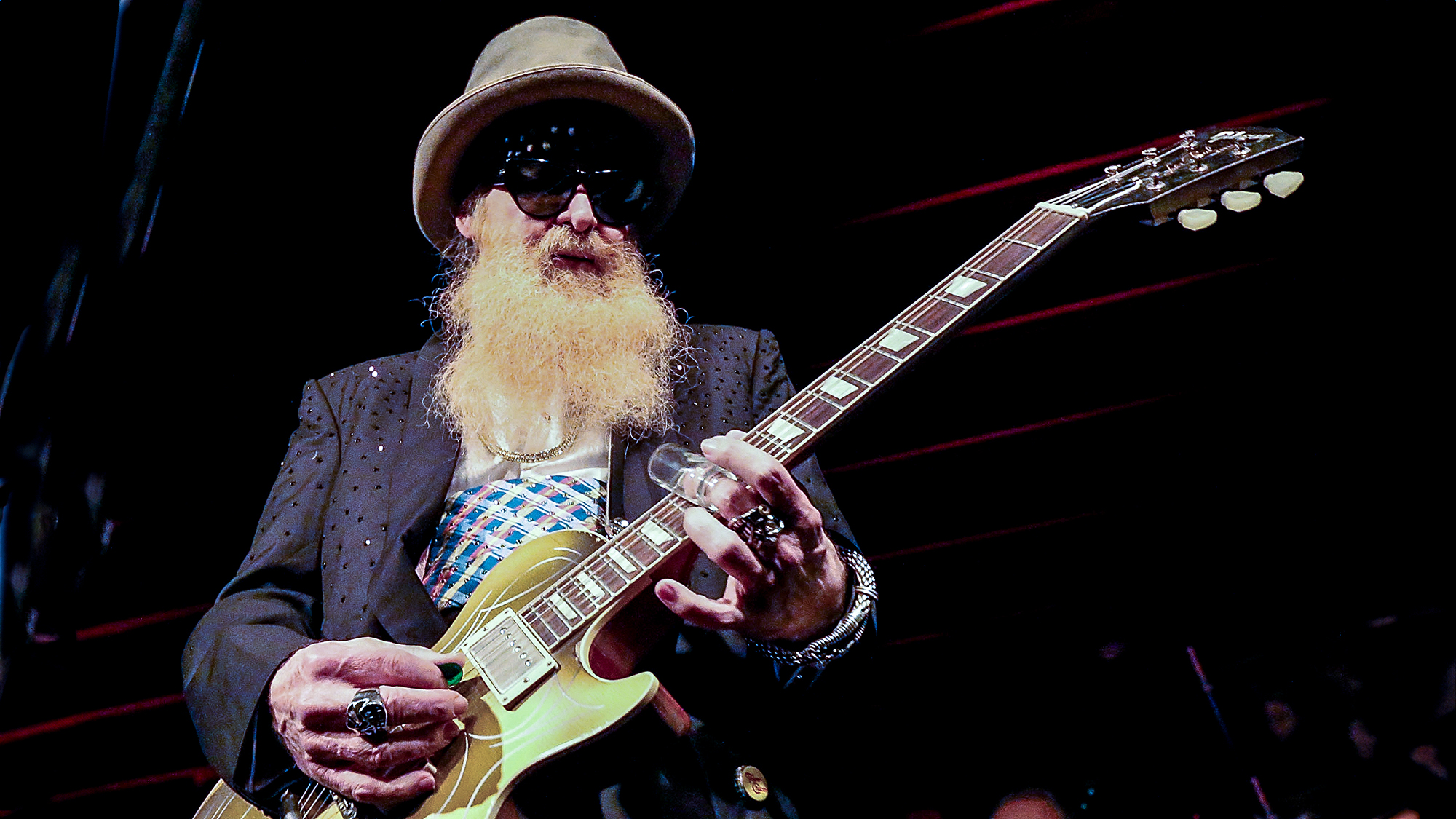
Billy Gibbons has lost both of the musicians who stood beside him through ZZ Top’s extraordinary five-decade run. Yet as he continues performing with a new lineup, the guitarist says there is one powerful reason he knows the band is carrying on the way his old friends wanted.
Both Dusty Hill and Frank Beard effectively chose the musicians who would eventually take their places.
Hill personally pointed Gibbons toward longtime guitar technician Elwood Francis shortly before his death in 2021. Years later, Beard did much the same with drummer Michael Monahan when declining health prevented him from performing.
For Gibbons, those final instructions have transformed the question of whether ZZ Top should continue.
“We miss Dusty and Frank,” he told Texas Monthly. “We loved these guys. They were everything. And yet we’re following their instructions.”
Billy Gibbons is now the last surviving member of ZZ Top’s classic lineup
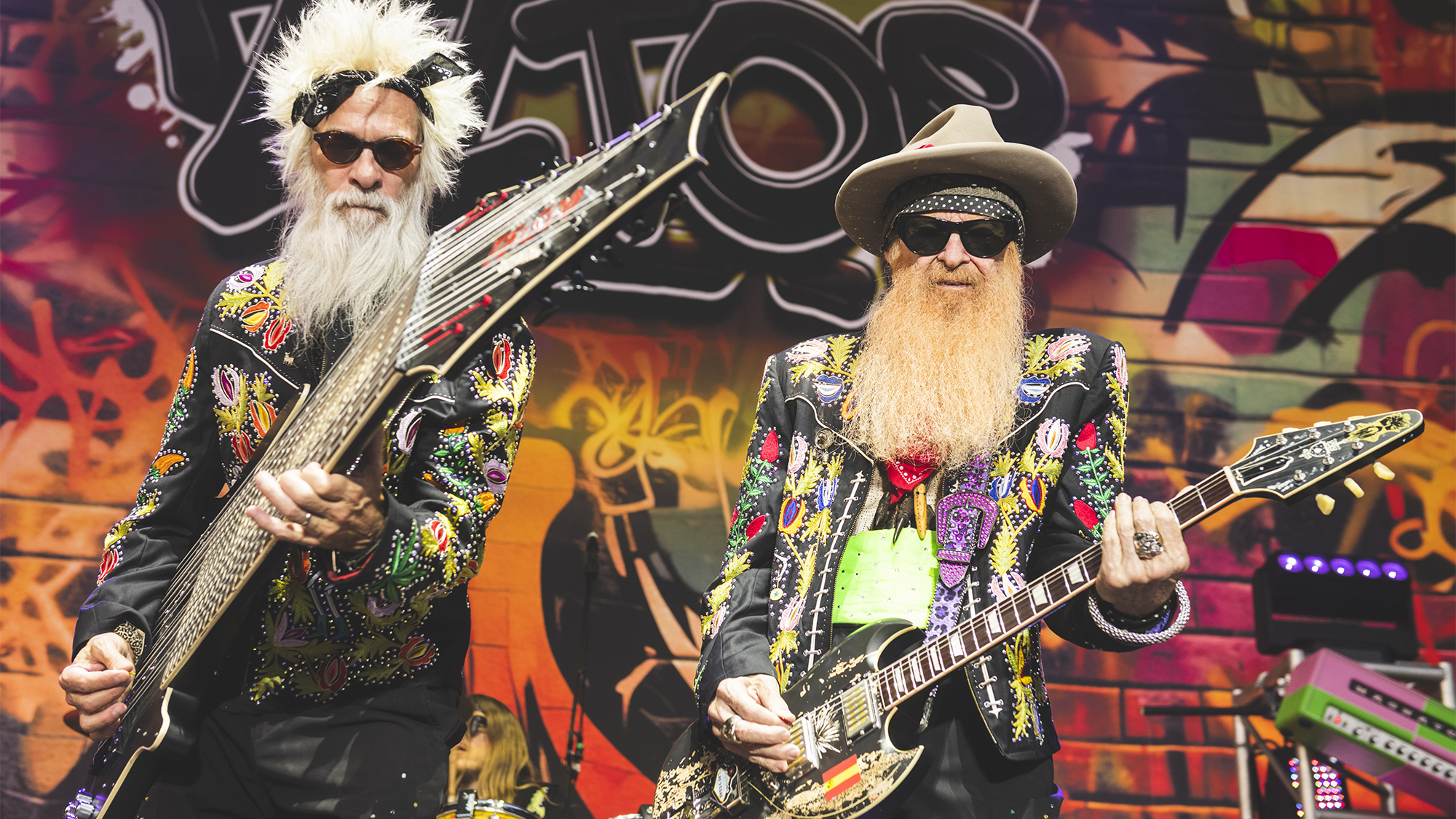
The death of Beard, five years after Hill’s passing, left Gibbons as the sole surviving member of the lineup that defined ZZ Top for more than half a century.
Today, Gibbons performs alongside Francis on bass and Monahan behind the drums.
The change is enormous for a group whose identity had been built around the same three musicians for decades.
Yet Gibbons believes the legacy they created together has reached a point where it cannot simply disappear with the deaths of his bandmates.
“We’re at a very interesting vortex,” he said.
“The legacy of ZZ Top solidified sometime in the not-too-distant past.”
He deliberately chose the word “solidified,” explaining that he sees the band’s history as something that can no longer be broken apart.
“You could take a sledgehammer to it and the ZZ Top legacy would remain intact.”
Frank Beard made his wishes clear before stepping away
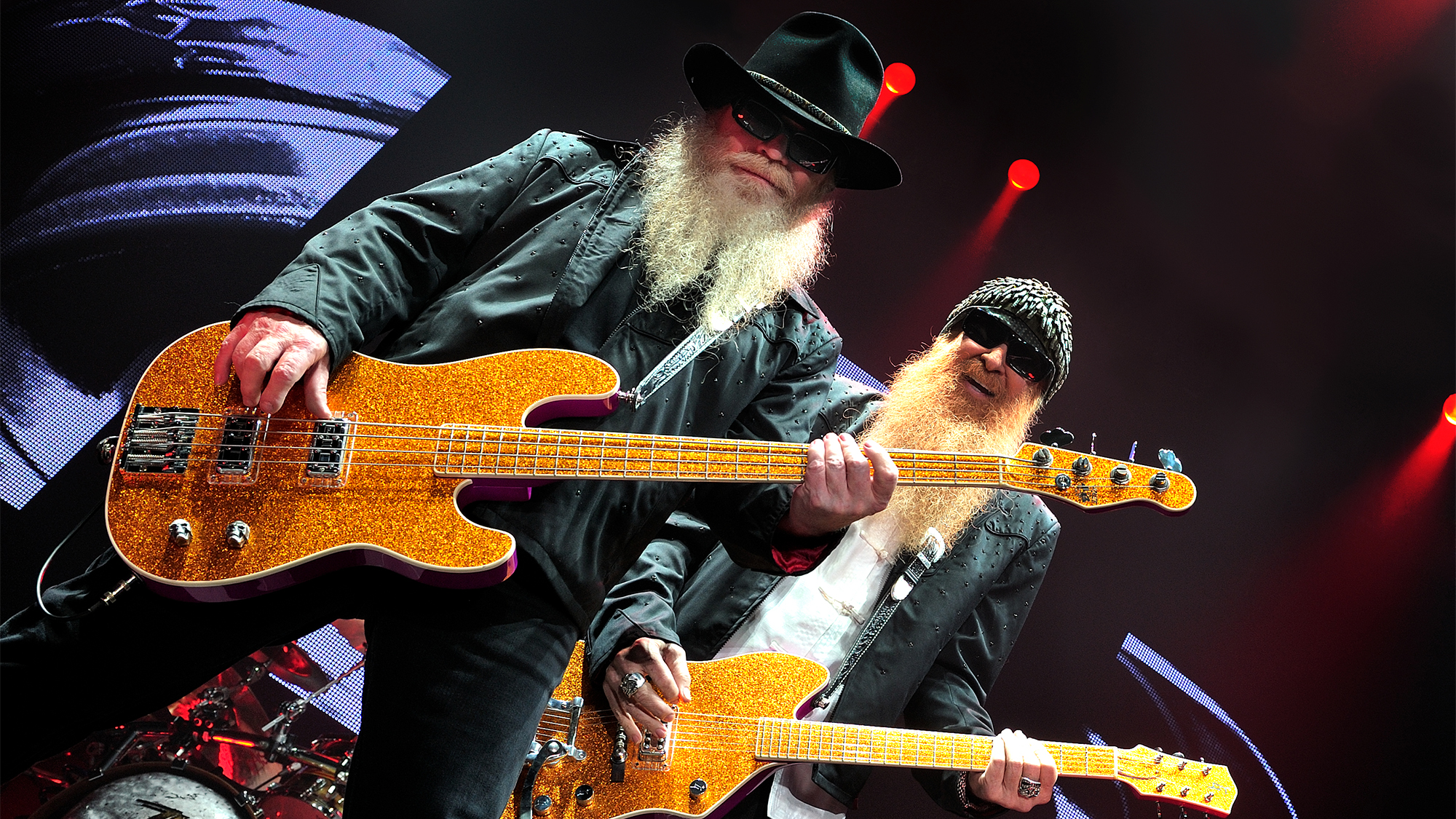
Gibbons recalled receiving a call from Beard roughly eight months earlier, when the drummer admitted something was wrong.
Beard told him he was experiencing weakness in his bass-drum foot that appeared to extend into his calf.
The conversation quickly turned toward Monahan.
According to Gibbons, it was Beard himself who suggested Monahan should temporarily occupy his drum seat.
Gibbons wanted to know exactly what his longtime bandmate was telling him.
“Are you saying he’s the guy?” he asked.
“Yeah,” Beard replied.
Gibbons sensed that Beard was concerned about leaving the band in a difficult position, so he tried to reassure him.
“Well, to be quite honest, I think we’re going to be just fine,” Gibbons remembered saying.
Beard immediately delivered the kind of dry response that could still make his friend laugh.
“Yeah, that’s what worries me.”
For Gibbons, that joke became one of the lighter memories attached to an otherwise painful transition.
Dusty Hill gave Gibbons almost the same instruction

The circumstances surrounding Hill’s death were shockingly similar.
Hill died in 2021, only 10 days after one of his final conversations with Gibbons about the future of the band.
ZZ Top had returned to touring following the COVID shutdown when Gibbons noticed that Hill did not appear well.
After a performance, he encouraged his longtime bassist to return home to Texas and see a doctor while the group had several days off.
Hill agreed — but before leaving, he gave Gibbons an instruction that would soon take on heartbreaking significance.
“If for any reason my return is tardy, give it to Elwood,” Hill told him.
Hill was referring to Francis, who had already spent around 30 years working with ZZ Top.
“Elwood knows everything,” Hill said.
He then revealed something Gibbons apparently had not realized: Francis had even helped teach Hill bass parts.
Ten days later, Hill was gone.
“Dusty went so quickly,” Gibbons recalled. “It was stunning.”
Elwood Francis brought new energy — and Frank Beard loved it

Following Hill’s death, Francis stepped onto the stage as ZZ Top’s bassist.
He was hardly a stranger to the group. Decades spent working around ZZ Top meant he already understood the music, personalities and machinery behind the band.
Still, replacing Dusty Hill was an enormous responsibility.
According to Gibbons, Beard’s reaction quickly showed that something was working.
“When Elwood stepped in, Frank really lit up,” he recalled.
Gibbons affectionately described Beard as a “curmudgeon” who rarely smiled during their decades together unless he was joking at somebody else’s expense.
That changed when Francis joined them onstage.
Gibbons would turn around during performances and repeatedly catch Beard watching the new bassist, smiling and laughing at the energy he brought to the group.
Francis, he said, was “on fire.”
For a band dealing with the devastating absence of one of its founding figures, that enthusiasm helped give the surviving members something new to work with.
Losing Frank meant facing the transition all over again
:max_bytes(150000):strip_icc():focal(749x0:751x2)/Mick-Jagger-Keith-Richards-Weylin-2026-071626-24b9dabac2724f3691a16f9d0baadbdf.jpg)
Then came Beard’s absence.
With Monahan taking over behind the kit at Beard’s own suggestion, Gibbons once again found himself walking toward a ZZ Top stage without one of the men who had defined the band alongside him.
He admitted that the first performance brought uncertainty.
“I’d gotten into costume, and as I approached the stage, I was harboring a sense of slight uncertainty,” he said.
Then Gibbons reminded himself of something remarkably simple.
He had been doing this for 50 years.
The musicians beside him might be different, but the songs and the responsibility remained.
“Well, it is going to be slightly different,” he remembered telling himself, “but you’ve been doing this for fifty years. Don’t change anything.”
That thought helped carry him onto the stage.
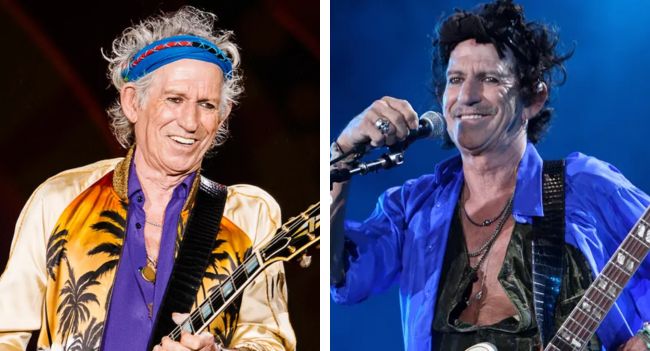
Keith Richards sent just three words that Gibbons understood immediately
As Gibbons dealt with the latest loss, messages began arriving from friends throughout the music world.
One in particular stayed with him.
Keith Richards knew something about losing a musical partner after spending decades alongside late Rolling Stones drummer Charlie Watts.
Richards did not send Gibbons an elaborate speech about perseverance.
He did not even use the familiar phrase “the show must go on.”
Instead, his message was much shorter.
“I heard about it. I’ve done it.”
“That’s all he said,” Gibbons recalled.
But the simplicity made the message more meaningful.
“It meant a lot and gave me a lot to think about.”
Coming from someone who understood what it meant to continue a legendary band after losing an irreplaceable member, Richards’ words offered a kind of reassurance that required little explanation.
ZZ Top is different now — but Gibbons refuses to see an ending
Gibbons does not pretend that the current version of ZZ Top is identical to the band that spent decades with Hill and Beard.
He calls the group a “hybrid.”
The loss is real, and he makes no attempt to minimize what his former bandmates meant to him.
But neither does he view the new lineup as an attempt to erase them.
Quite the opposite.
Francis is there because Hill trusted him.
Monahan is there because Beard trusted him.
That distinction appears to be crucial to Gibbons as he considers what ZZ Top should be after losing two-thirds of its classic lineup.
“For me, the sun isn’t setting,” he said. “I see it as a bright light.”
“It’s not so different, but then again it is.”
‘They were everything’
Few bands have been as closely identified with three individual musicians as ZZ Top.
For decades, Gibbons, Hill and Beard remained together while musical styles, technology and generations of audiences changed around them.
Now only Gibbons remains.
But the guitarist believes the foundation the three men built is strong enough to survive even this extraordinary transition.
He is not carrying it forward alone, either.
Standing beside him are two musicians who were effectively selected by the men they replaced.
That makes the current incarnation of ZZ Top something more personal than a lineup assembled simply to keep touring.
Gibbons is still playing because, in his view, Hill and Beard made clear that the music should continue.
“We miss Dusty and Frank,” he said. “We loved these guys. They were everything.”
And then comes the reason ZZ Top is still on the road:
“We’re following their instructions.”
ZZ Top’s U.S. tour continues through mid-October before the band heads to Central and South America.