
“He’s Going To Win This!” — Sunny Hostin Makes A Bold Texas Senate Prediction As The View Hosts Clash Over Trump’s Endorsement And A Potential Political Upset

Sunny Hostin has made a striking prediction about the Texas Senate race, declaring that Democrat James Talarico will defeat Republican Ken Paxton. Her confident assessment sparked a wider debate on The View, where the cohosts examined polling numbers, Donald Trump’s influence and the possibility of a major political shift in a state that has not elected a Democrat to statewide office in decades.
The discussion followed Trump’s latest campaign speech in Texas, during which he clarified his comments about allowing Iran to “take out” certain California cities. But it was the increasingly competitive Senate contest that drew the panel into a conversation about what the race could mean for the state’s political future.
Sunny Hostin Makes Her Prediction
Reacting to polls showing Talarico ahead of Paxton, Hostin did not hesitate to share her view.
“I think we will see Texas go blue, I really do,” she said.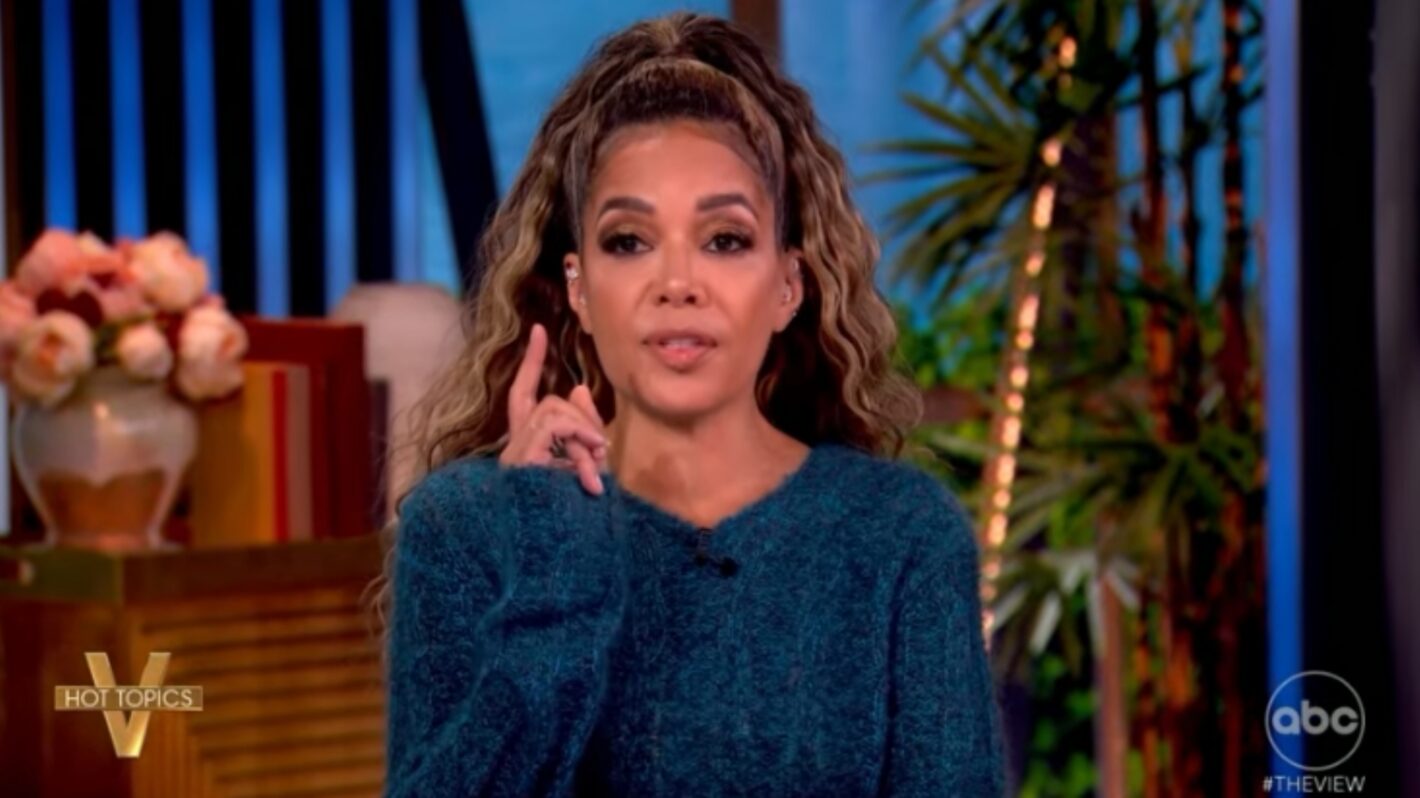
Hostin pointed to September polling that she said showed Talarico leading by 51% to 45%. She also highlighted reported advantages among women, younger voters and Hispanic voters, arguing that the numbers were significant given Texas’s long history of Republican victories in statewide elections.
“We’re talking about Texas. He’s going to win this,” Hostin declared.
Her prediction immediately raised the stakes of the discussion. Texas has long been a central stronghold for Republicans, making any competitive statewide race there a focus of national attention. However, polling leads do not guarantee an election result, and the panel’s reactions reflected differing views about how much confidence voters should place in the current numbers.
Alyssa Farah Griffin Says The Race Could Go Either Way
Alyssa Farah Griffin took a more cautious position, arguing that the fact Texas was being seriously contested was significant in itself.
“I mean, the fact that Texas is in play speaks to the moment right now, that people are so frustrated with the current leadership,” Griffin said.
Although she acknowledged the unusual nature of the contest, she stopped short of predicting a Democratic victory.
“I still think it could go either direction for Paxton or Talarico, but this is kind of a perfect storm,” she explained.
Griffin also criticized Trump’s decision to endorse Paxton rather than incumbent Republican Senator John Cornyn. She described the choice as a political miscalculation and questioned Paxton’s appeal as a candidate.
Her comments shifted the discussion beyond the polling figures, raising questions about candidate selection, party strategy and the potential consequences of internal divisions among Republicans.
Whoopi Goldberg Reminds The Panel That Predictions Can Be Risky
Whoopi Goldberg offered a brief but pointed note of caution.
“We’ve seen this before,” she said.
Her remark served as a reminder that expectations about Texas changing political direction have surfaced in previous election cycles, without necessarily translating into a statewide Democratic victory.
The exchange underscored the difference between a race becoming competitive and a party actually winning it. While Hostin viewed the polling as evidence that Talarico could make history, Goldberg’s response suggested that past experience was reason enough to avoid treating the outcome as settled.
Ana Navarro Questions Trump’s Role In The Race
Ana Navarro agreed with Griffin that Trump’s endorsement could become a liability for Republicans.
Navarro argued that Trump’s frustration with Cornyn stemmed in part from the senator’s earlier comments that Trump’s political moment had passed. She said Cornyn had subsequently voted with Trump on the overwhelming majority of issues, but that this had not been enough to repair the relationship.
According to Navarro, Trump’s decision to back Paxton instead was driven by personal resentment rather than a broader assessment of which candidate might be more effective in the general election.
She described Paxton as a poor choice for Republicans and also pointed to a possible shift in Latino voting patterns toward the Democratic Party as another factor worth watching.
Those arguments formed part of the panel’s broader debate about whether the Republican Party’s established advantages in Texas could be challenged by dissatisfaction with its candidates and national leadership.
Sara Haines Points To Trump’s Approval Rating
Sara Haines also questioned whether Trump was helping Republicans in Texas. She referred to reports of leaked audio in which Paxton discussed the Iran War and rising gas prices under Trump as potential factors affecting his polling position.
Haines additionally cited a reported Trump approval rating of 36% in Texas, describing it as notable in a state that has typically supported him strongly.
The figures discussed on the show offered possible explanations for why the race was attracting attention, but they do not establish how Texans will ultimately vote. Approval ratings, individual polls and voting patterns can each provide useful context while still leaving substantial uncertainty about an election’s final result.
The Debate Turns To Voters’ Everyday Concerns
Goldberg expanded the conversation beyond the candidates, arguing that voters’ views can change when political decisions begin affecting their daily lives.
She referred to issues including immigration enforcement, changes involving historical displays and museums, and the pressure many families face when trying to afford basic necessities.
Her comments focused on the connection between national political decisions and people’s personal circumstances. Voters who once believed a candidate had a clear plan may reconsider their support if they feel that plan is not improving their lives.
Goldberg ended with a reminder that political outcomes ultimately depend on public participation. Regardless of what commentators predict, she argued, voters must make their own decisions and take responsibility for the results.
Could Texas Really Turn Blue?
Hostin’s confident forecast, Griffin’s caution and Goldberg’s reminder about previous election cycles captured the uncertainty surrounding the Senate race.
The polling figures discussed on The View suggest that Talarico’s campaign has attracted significant attention, while the panel’s debate highlights several questions that could shape the contest: whether dissatisfaction with national leadership affects voters in Texas, whether Trump’s endorsement strengthens or weakens Paxton, and whether changes in voting patterns translate into a statewide result.
For now, Hostin has made her position clear: she believes Talarico will win. Her cohosts, however, have emphasized that a competitive race is not the same as a decided one.
The eventual outcome will be determined by voters, not predictions made on daytime television. Until then, Texas remains at the center of a debate about political expectations, party strategy and the possibility of an election result that could challenge long-standing assumptions.