Congratulations!
You've earned 1 point
Taylor Sheridan’s 10-Hour Western Epic Is His Greatest Work Of The 21st Century, And Its Powerful Ending Proves Why It Never Needed A Second Season
Taylor Sheridan has built an entire television empire around the American West, but one of his most acclaimed projects stands apart from the rest. ** 1883, the prequel to Yellowstone, was conceived as a complete ten-hour movie, telling a sweeping story of survival, sacrifice and the brutal realities of life on the American frontier.** Rather than stretching its narrative across multiple seasons, the series delivers a self-contained journey with an ending that leaves a lasting impression.
Sheridan has repeatedly returned to Western storytelling throughout his career, from the various Yellowstone spinoffs to his so-called American Frontier trilogy of films, which includes Sicario, Hell or High Water and Wind River. Yet even among these projects, 1883 has earned a special place in his body of work.
The series follows the ancestors of the Dutton family as they travel across the American frontier in search of a place to call home. Their dangerous journey eventually leads them to the land that would become the foundation of the Yellowstone ranch.
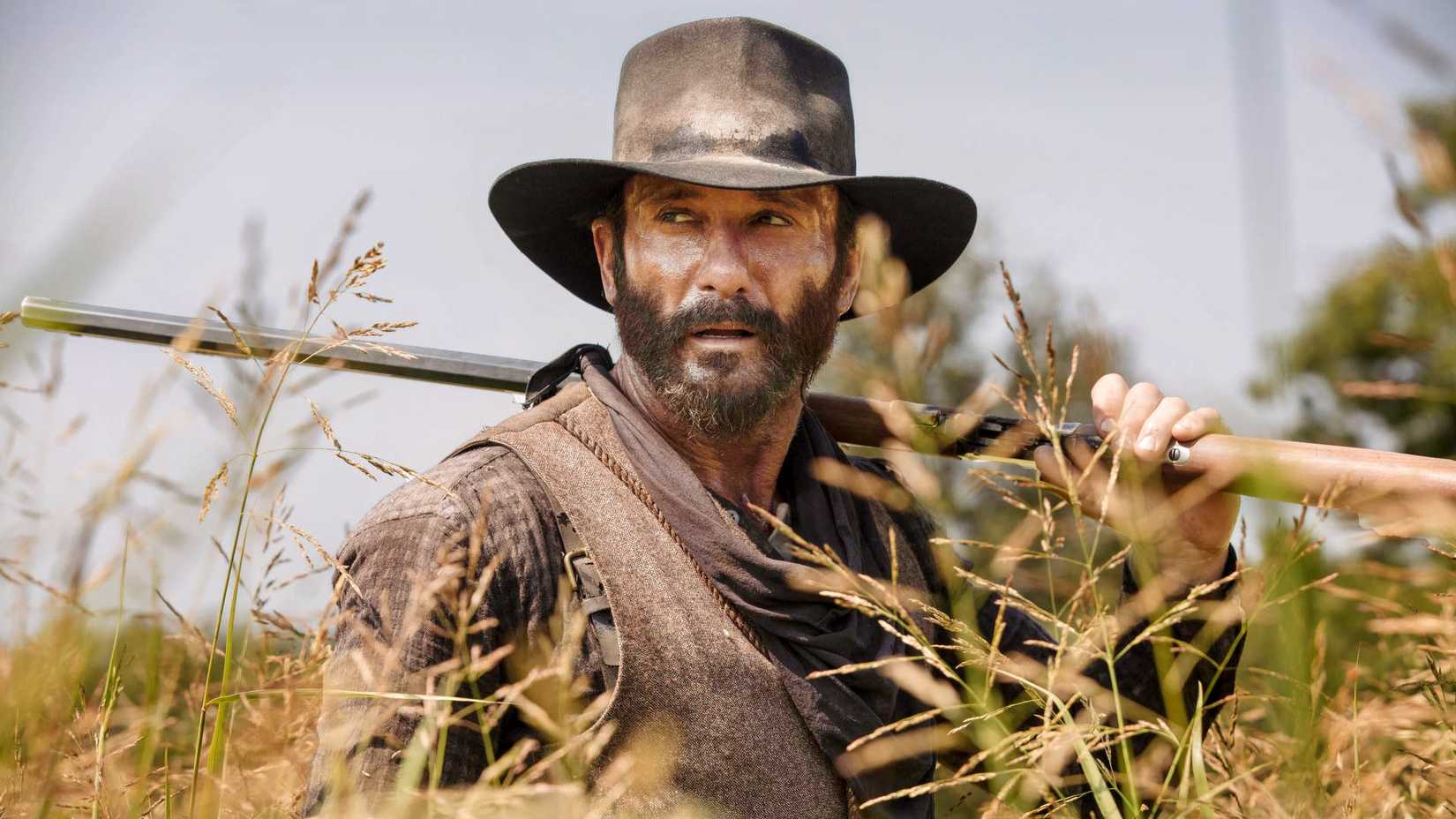
Featuring standout performances from Sam Elliott, Tim McGraw, Faith Hill and Isabel May, the drama combines sweeping Western imagery with a deeply personal story about the people who risk everything to build a future.
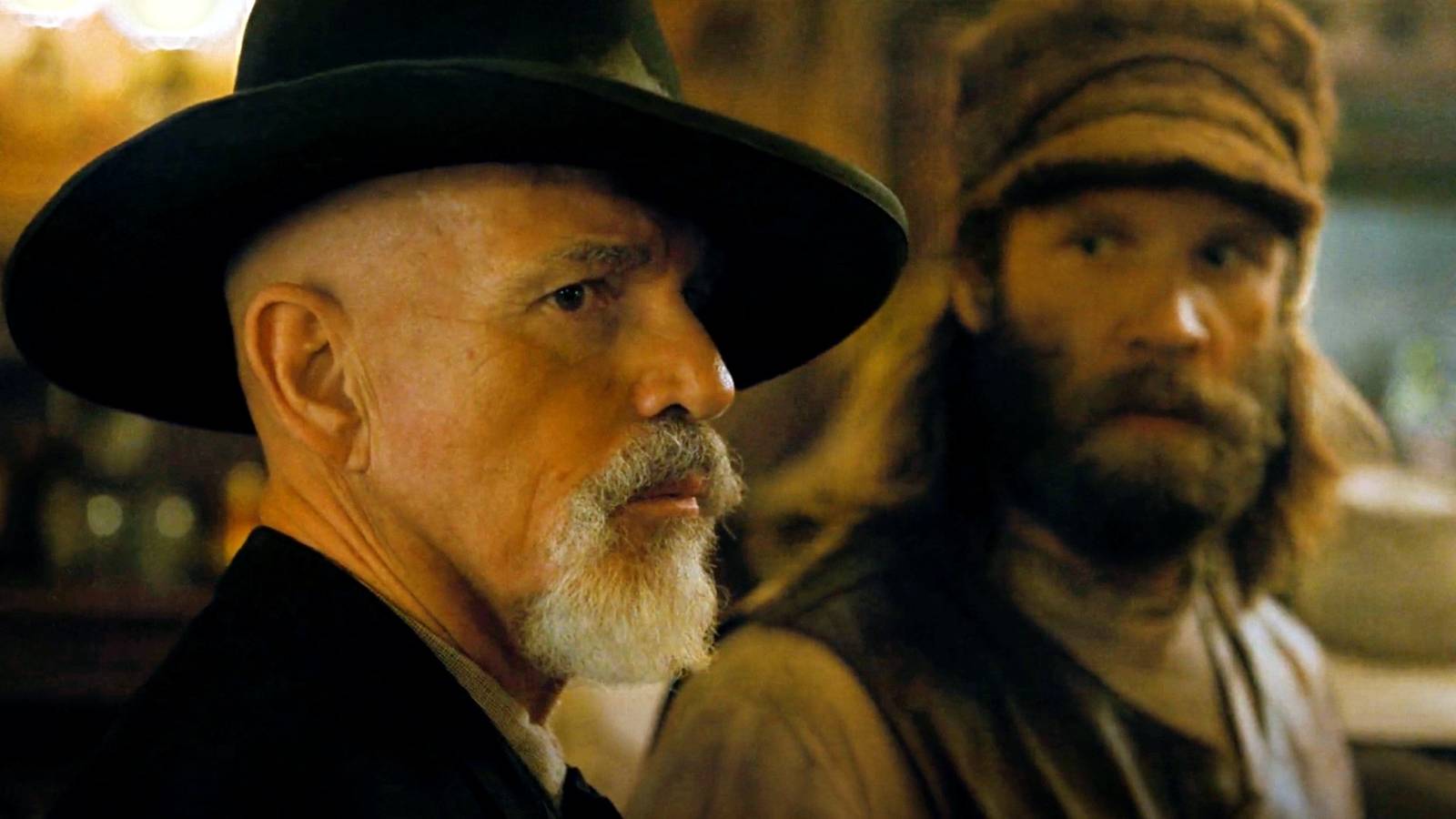
Sheridan’s writing is another major strength. Even Billy Bob Thornton’s brief appearance as real-life lawman Jim Courtright makes a memorable impression. Despite appearing for only around four minutes, Thornton manages to steal the scene, demonstrating how effectively the series uses even its smaller moments.
The finale, however, proved that Sheridan had no intention of giving audiences a conventional, endlessly expanding television franchise. Several important characters die before the story concludes, leaving viewers with a heartbreaking but definitive ending.
Speaking to Deadline, Sheridan explained his original vision: “We wanted to make a ten-hour movie that ended, and that’s what we did.”
Why 1883 Works So Well As A Ten-Hour Movie
For Sheridan, 1883 offered an opportunity to create an old-fashioned Western epic in the tradition of classics such as Lonesome Dove and The Searchers.
Although the series expands the history of the Dutton family for Yellowstone fans, viewers do not need to know anything about the original show to appreciate it. Its story stands on its own, with a clear beginning, a difficult journey and an ending that brings the central narrative to a close.
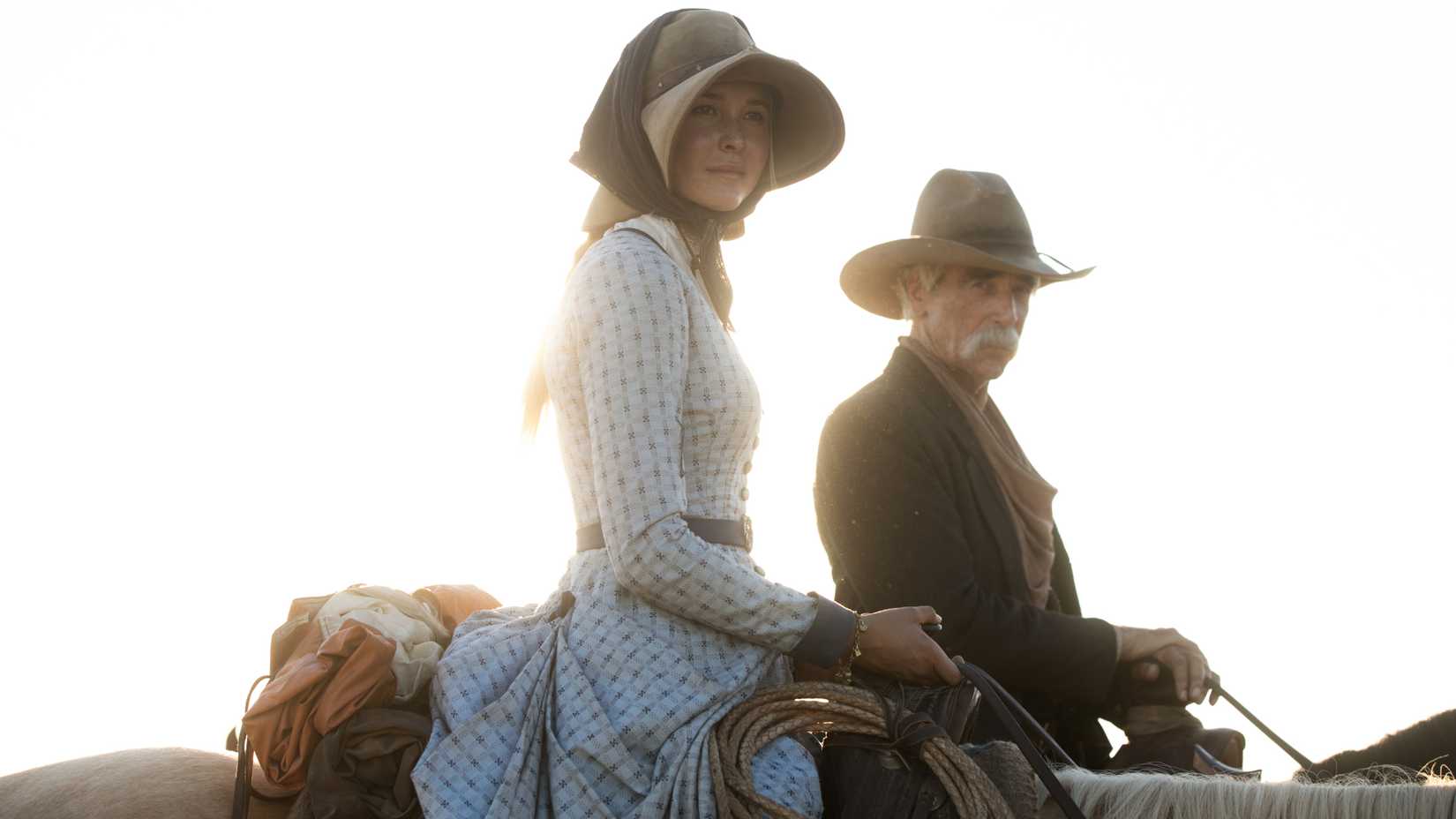
At the heart of the series is Elsa Dutton, played by Isabel May. Seen through the eyes of this teenage girl, the journey along the Oregon Trail becomes a coming-of-age story shaped by hardship, danger and unexpected loss.
Elsa’s experiences expose her to the unforgiving nature of the Old West. The world she encounters is frequently violent and unpredictable, and Sheridan makes little effort to soften its harshest realities.
Yet the series is not relentlessly bleak. Humour, tenderness and emotional connections between the characters give the story room to breathe. Those quieter moments are essential to its impact, making the dangers facing the travelling wagon train feel personal rather than simply another excuse for dramatic violence.
This balance is one of the reasons 1883 stands out among Sheridan’s television projects. His work can sometimes lean heavily on brutality and nihilism, a criticism that has also been directed at 1923. Here, however, the violence carries greater emotional weight because audiences have time to understand the people caught in its path.
The extended format allows relationships to develop naturally, giving viewers a genuine investment in the travellers’ survival. As the journey progresses and deaths become unavoidable, those losses hit harder because the characters have become more than names in a sprawling Western adventure.
Sheridan could potentially have compressed the story into a three-hour feature film. Instead, he used the miniseries format to tell the story at a pace that suited its characters and themes.
That decision paid off. While Yellowstone continued for multiple seasons and 1923 expanded its narrative across two seasons, 1883 feels remarkably complete within its ten-hour runtime. Its length serves the story rather than leaving it feeling as though it has been stretched to fill a television schedule.

Why A Second Season Of 1883 Would Have Undermined Its Story
Despite the series’ success, continuing 1883 with another season was never part of Sheridan’s original plan.
In a separate conversation with Deadline, the writer revealed that Paramount had initially understood the project would be a one-season story. Nevertheless, its popularity led the network to announce another season.
The situation eventually required Sheridan to meet with Paramount executives and explain how one of the show’s key characters could possibly return after what had appeared to be a definitive death.
The problem was fundamental to the story itself. By the finale, James and Margaret Dutton, portrayed by Tim McGraw and Faith Hill, remain alive, but most of the principal characters have died. More importantly, Elsa’s journey has reached its conclusion.
Her story provides the emotional foundation of the series, and the final episode brings that journey to a close. Continuing the same narrative would have risked weakening an ending that had been carefully built throughout the preceding episodes.
Sheridan could perhaps have found a way to produce more episodes, but doing so would likely have felt unnecessary. The series had already accomplished what it set out to do.
Instead of extending 1883, Sheridan moved forward with 1923, another prequel exploring a different period in the Dutton family’s history. That approach allowed the broader franchise to continue without undoing the conclusion of the original miniseries.
It also preserved the principle that made 1883 distinctive: a Western saga with a defined destination and a story that knew when to end.

1883 Shows What Taylor Sheridan Can Do With Creative Freedom
Sheridan’s strongest work has often come from stories that have room to develop without losing sight of their conclusions. His film scripts, including Sicario and Hell or High Water, demonstrate his ability to build tension, develop complex characters and deliver a complete narrative within the limits of a feature film.
Those movies benefit from the discipline required to tell a compelling story in roughly 100 pages. Every major development must contribute to the larger narrative, and the ending cannot simply be postponed until another season.
1883 brings a similar sense of purpose to television. Its ten-hour runtime gives Sheridan the space to create a sprawling Western world, but its predetermined ending prevents the story from becoming unnecessarily prolonged.
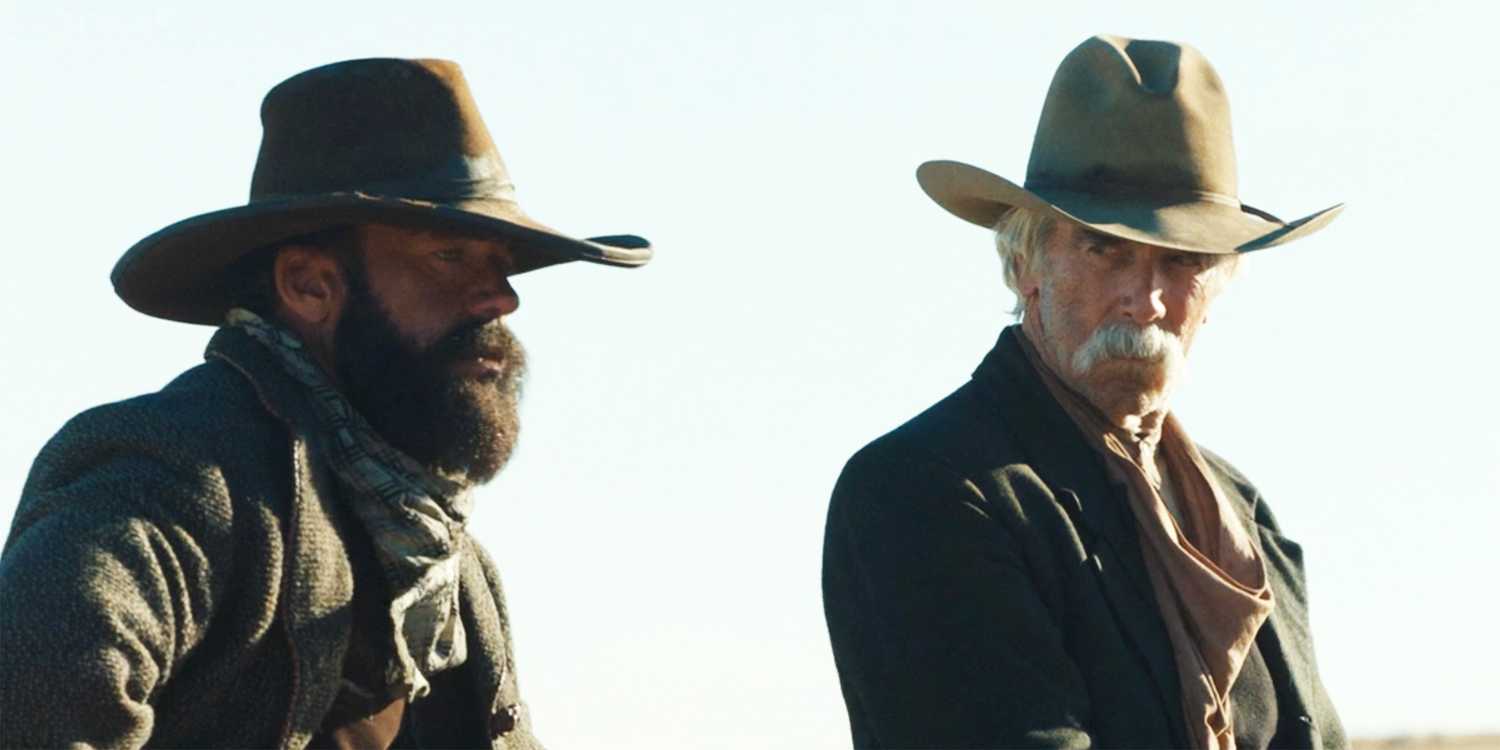
The series also benefits from having the budget and creative freedom to realise the epic he envisioned. Its landscapes, dangerous encounters and intimate character moments combine to create a portrait of frontier life that feels both expansive and deeply personal.
Ultimately, 1883 is one of the clearest examples of what Sheridan can achieve when the length of a story is determined by its needs rather than the possibility of another season.
For Yellowstone viewers, it adds important context to the Dutton family’s history. For Western fans, it offers a standalone saga of survival and sacrifice. And for anyone who appreciates a story that reaches a meaningful conclusion, its ten-hour format proves that a television series can deliver the scope of an epic film without sacrificing narrative discipline.
Sheridan has produced several acclaimed films and television dramas, but 1883 brings many of his greatest strengths together in one project. Its emotional depth, carefully paced storytelling and willingness to end on its own terms make it a standout achievement in his career.