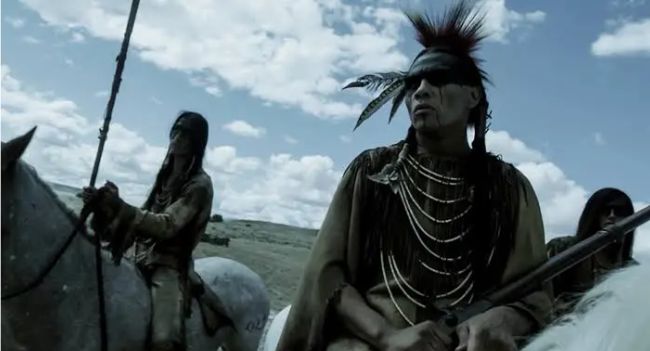
Netflix’s Brutal Six-Part Western American Primeval Starring Taylor Kitsch and Betty Gilpin Delivers a Darker, More Unforgiving Frontier Story Than Yellowstone
Taylor Sheridan’s Yellowstone and 1883 have helped redefine the modern Western, but Netflix’s six-part historical drama American Primeval takes audiences into a considerably darker version of the American frontier. Starring Taylor Kitsch and Betty Gilpin, the gripping series replaces romantic cowboy mythology with a brutal struggle for survival, where religious conflict, betrayal and violence threaten nearly everyone caught in their path.
Created by Mark L. Smith and directed by Peter Berg, American Primeval premiered on Netflix on January 9, 2025, offering a disturbing portrayal of the American West during the Utah War.
A Dangerous Journey Through the American Frontier
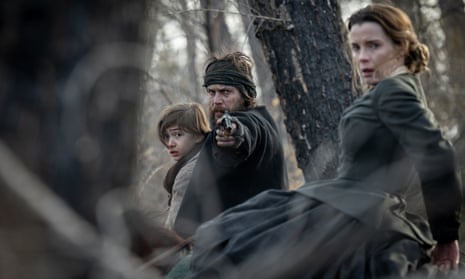
Set in the 1850s, American Primeval follows Sara Rowell, played by Betty Gilpin, and her young son as they travel west while fleeing a killing in the East.
Their journey takes them into the middle of growing tensions between Mormon settlers, Native American communities and the United States government.
As violence spreads across the territory, Sara encounters Isaac, a guarded and deeply troubled survivor portrayed by Taylor Kitsch.
Reluctantly, Isaac becomes involved in helping Sara and her son navigate an increasingly dangerous landscape.
Unlike traditional Western heroes seeking wealth, land or power, these characters are primarily concerned with staying alive.
Why American Primeval Feels Different From Yellowstone
Taylor Sheridan’s Western dramas frequently explore family dynasties, land ownership and conflicts over power.
In Yellowstone, the Dutton family fights to preserve its ranch and legacy, while the prequel series 1883 examines the hardships of westward migration.
American Primeval approaches the frontier from a different perspective.
Rather than presenting the cowboy lifestyle through a mixture of spectacle and family drama, the Netflix series focuses relentlessly on fear, uncertainty and human suffering.
Its characters face a world where survival offers little guarantee of safety or happiness.
The violence is deliberately unsettling, with few attempts to make its consequences appear heroic or glamorous.
The Mountain Meadows Massacre Becomes a Terrifying Turning Point
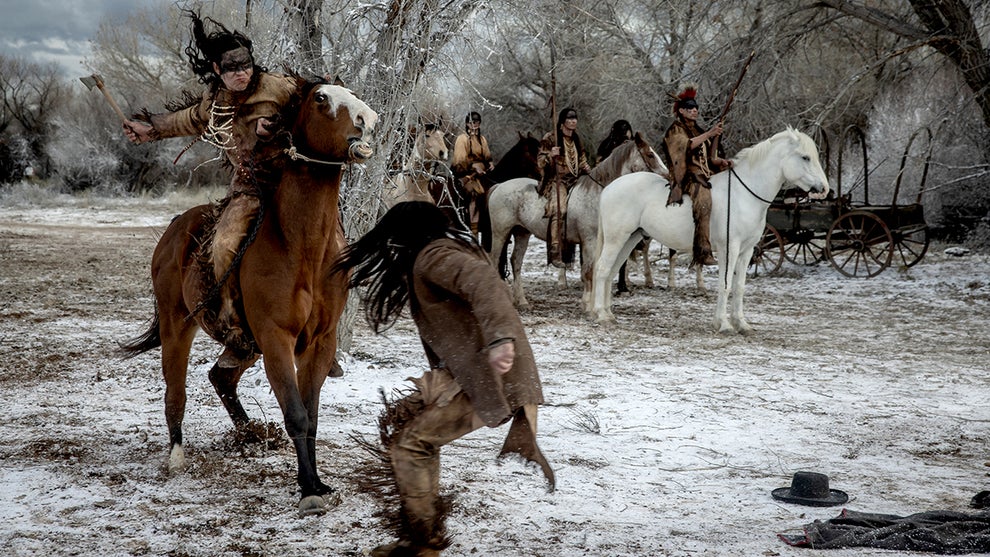
One of the series’ most disturbing sequences depicts the Mountain Meadows Massacre, a real historical atrocity that occurred in southern Utah in 1857.
The production presents the attack through an extended, chaotic sequence that places viewers close to the terror experienced by those caught in the violence.
However, the television version changes important historical details.
In reality, the Baker-Fancher wagon train endured a five-day siege before Mormon militiamen and their accomplices killed approximately 120 emigrants, including men, women and older children.
The series compresses those events into a more immediate ambush, sacrificing historical detail to create a concentrated dramatic sequence.
The distinction matters because the real massacre involved a prolonged series of decisions and a calculated betrayal rather than a single spontaneous attack.
Taylor Kitsch and Betty Gilpin Lead a Powerful Cast
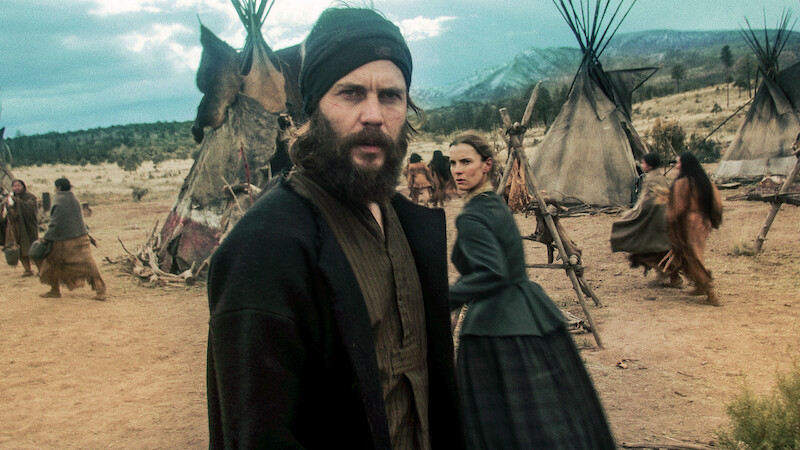
Taylor Kitsch portrays Isaac as a man shaped by trauma, suspicion and difficult experiences.
His reluctant involvement in Sara’s journey creates a complicated relationship built around the need to survive.
Betty Gilpin, meanwhile, plays Sara as a determined mother whose secrets threaten to make an already dangerous situation even more complicated.
Their performances anchor a story in which trust is difficult to establish and the consequences of misplaced confidence can be severe.
The series also features Lucas Neff and explores the experiences of the Shoshone people, placing their communities and interests within the wider conflict.
The Historical Truth Behind Netflix’s Western

Although American Primeval draws on real events, several characters and situations are fictionalised.
The series alters geographical distances between important locations, including Fort Bridger and the site of the Mountain Meadows Massacre.
It also changes the circumstances surrounding the destruction of Fort Bridger.
Historically, Mormon militiamen burned the trading post to obstruct advancing federal forces. In the drama, Jim Bridger himself is depicted carrying out the destruction.
These changes mean the series should be understood as historical fiction rather than a documentary account of the Utah War.
Nevertheless, its portrayal of religious conflict, territorial disputes and the dangers of frontier life reflects the violent tensions that shaped the period.
A Six-Part Western That Refuses to Romanticise the Past
 Across six episodes, American Primeval presents a vision of the frontier defined less by adventure than by the human cost of conflict.
The show explores how competing loyalties, territorial ambitions and religious convictions can turn ordinary journeys into struggles for survival.
Its treatment of violence is particularly uncompromising, while its attention to different communities adds complexity to the familiar Western setting.
For viewers accustomed to the powerful families and sweeping landscapes of Taylor Sheridan’s dramas, American Primeval offers a stark alternative. With Taylor Kitsch and Betty Gilpin leading an intense survival story, the Netflix miniseries strips away much of the romance traditionally associated with the Old West and confronts the fear, brutality and uncertainty that shaped frontier history.
American Primeval is streaming on Netflix.