The Perfect Bridgerton Replacement Is Ready for a Streaming Adaptation
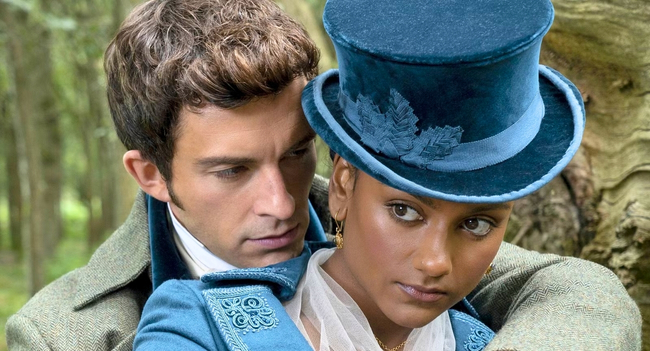
For years, streaming services have searched for the next Bridgerton, hoping to find another period romance capable of becoming a genuine cultural phenomenon. The genre itself has never lacked an audience. Romance has remained a major force in publishing for decades, from the mass-market paperbacks our grandmothers bought at grocery stores to the contemporary explosion of romantasy.
Bridgerton, however, gave television audiences a particularly accessible introduction to the appeal of historical romance: women who openly pursue their desires, satisfying happy endings, lavish costumes, and the rigid social customs of another era.
Netflix’s competitors have tried to reproduce that formula, but none has quite matched the show’s impact. The answer may already be sitting on bookstore shelves.
Lisa Kleypas’ The Wallflowers series has nearly everything a streaming service could want from a historical romance adaptation. The four-book series is compact enough to be manageable, rich enough to support multiple seasons, and built around characters and relationships that embody many of the genre’s most enduring pleasures.
What Is The Wallflowers About?
Kleypas has been writing romance since 1987, and while her novels embrace the familiar foundations of the genre, her distinctive voice and attention to character have allowed her to make those conventions feel fresh.
The Wallflowers, one of her career highlights, is set during the Regency era and centers on four young women who are outsiders within high society. Instead of allowing their social rejection to define them, they form a friendship and work together to secure safe marriages and better futures.
Annabelle Peyton, the eldest of the group, needs a wealthy husband to protect her family from financial ruin.
Lillian Bowman is an outspoken American heiress with little patience for the expectations of English society. Her younger sister, Daisy, is far more interested in books and her own imagination than in the suitors her father tries to arrange for her.
Then there is Evie Jenner, quiet but remarkably determined. Hoping to escape an intolerable home life, she takes matters into her own hands and proposes to London’s most notorious rogue.
The four women provide the foundation for a series that understands what makes historical romance so enduring. Kleypas combines witty writing, escapism, careful historical detail, and emotionally complex characters who must confront their fears, insecurities, flaws, and painful histories.
Her familiarity with romance conventions also works in her favor. The reformed rake, enemies-to-lovers tension, and marriages of convenience are all staples of the genre, but Kleypas gives these dynamics enough character-specific detail that they rarely feel interchangeable.
Her heroines are ambitious, capable, and determined. Their eventual husbands initially rely on sharp tongues and scandalous reputations, only to reveal vulnerability and intense devotion as their relationships develop. The resulting redemption arcs give the romances considerably more emotional weight.
Female Friendship Is the Heart of the Series
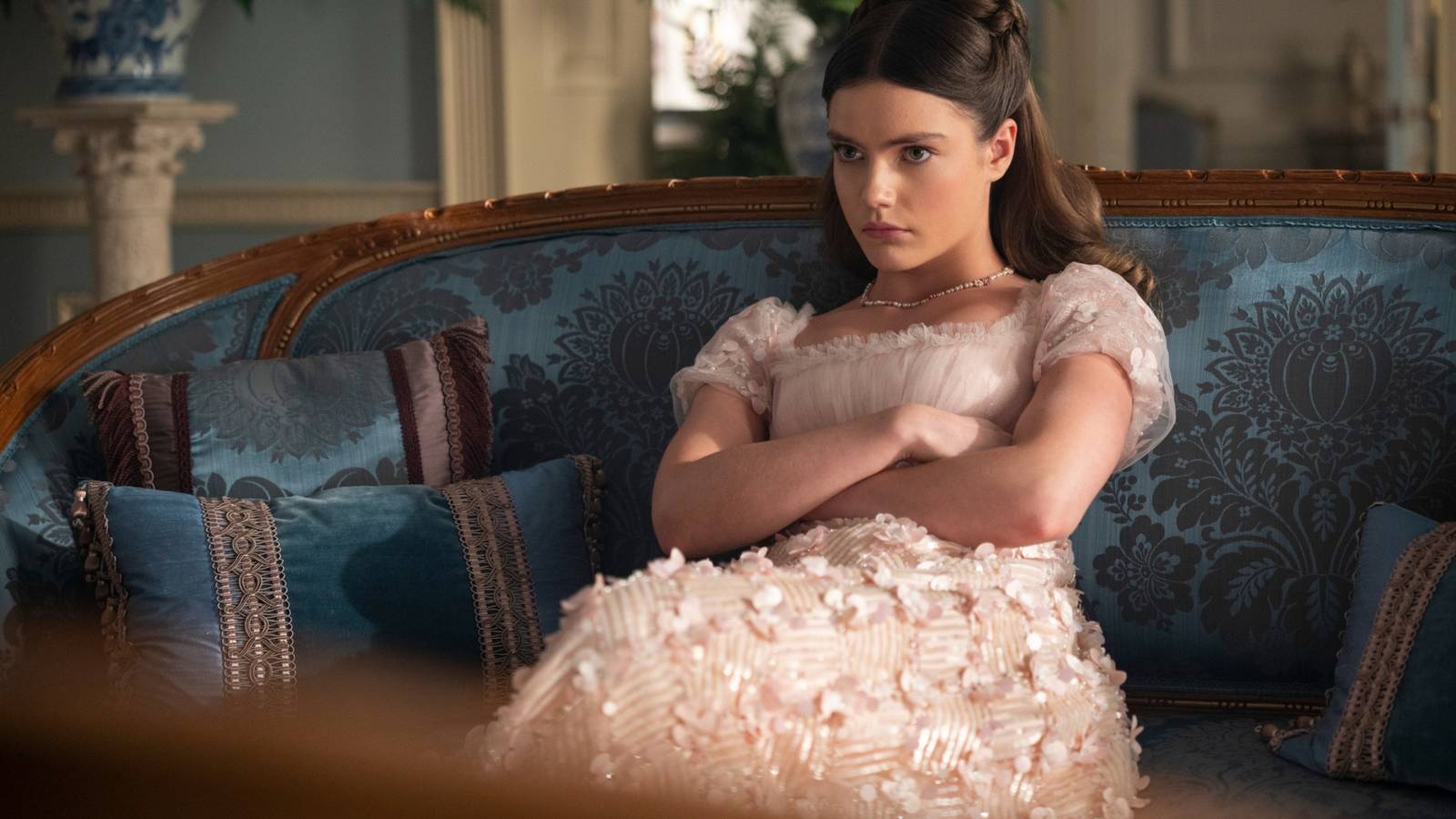
One of The Wallflowers‘ most distinctive qualities is the importance it gives to female friendship.
Connecting a romance series through the bond between its heroines was a relatively unconventional idea when the books emerged in the early 2000s. Kleypas drew inspiration partly from her own high school experiences, when she felt overlooked by what she described as “the popular boys.” She also observed that historical romances did not often focus on female friendships.
The Wallflowers became her answer to that gap.
The friendship between Annabelle, Lillian, Daisy, and Evie is more than a convenient device for connecting four romances. Their bond is the emotional center of the series, built on humor, empathy, loyalty, protection, and genuine affection.
Their relationships with one another carry as much importance as their romantic lives. That gives the series an especially strong foundation for television, where an ensemble can develop across multiple episodes and seasons.
Kleypas’ romantic relationships are similarly grounded in mutual admiration and understanding. Her couples are brought together through emotional honesty as well as physical attraction, allowing the sensuality of the stories to complement rather than replace their character development.
The plots can be deliberately dramatic, filled with aristocratic rivalries, social hierarchies, ambitious self-made figures, and conflicts surrounding women’s suffrage. But the heightened circumstances work because the emotional conflicts at the center of each romance remain compelling.
The Series Could Work as a Four-Book Adaptation, With Room to Grow
From a production perspective, The Wallflowers has another advantage: its relatively contained structure.
Bridgerton is built around eight installments, and its large ensemble has contributed to lengthy production schedules and the challenges of maintaining an expansive cast across multiple seasons.
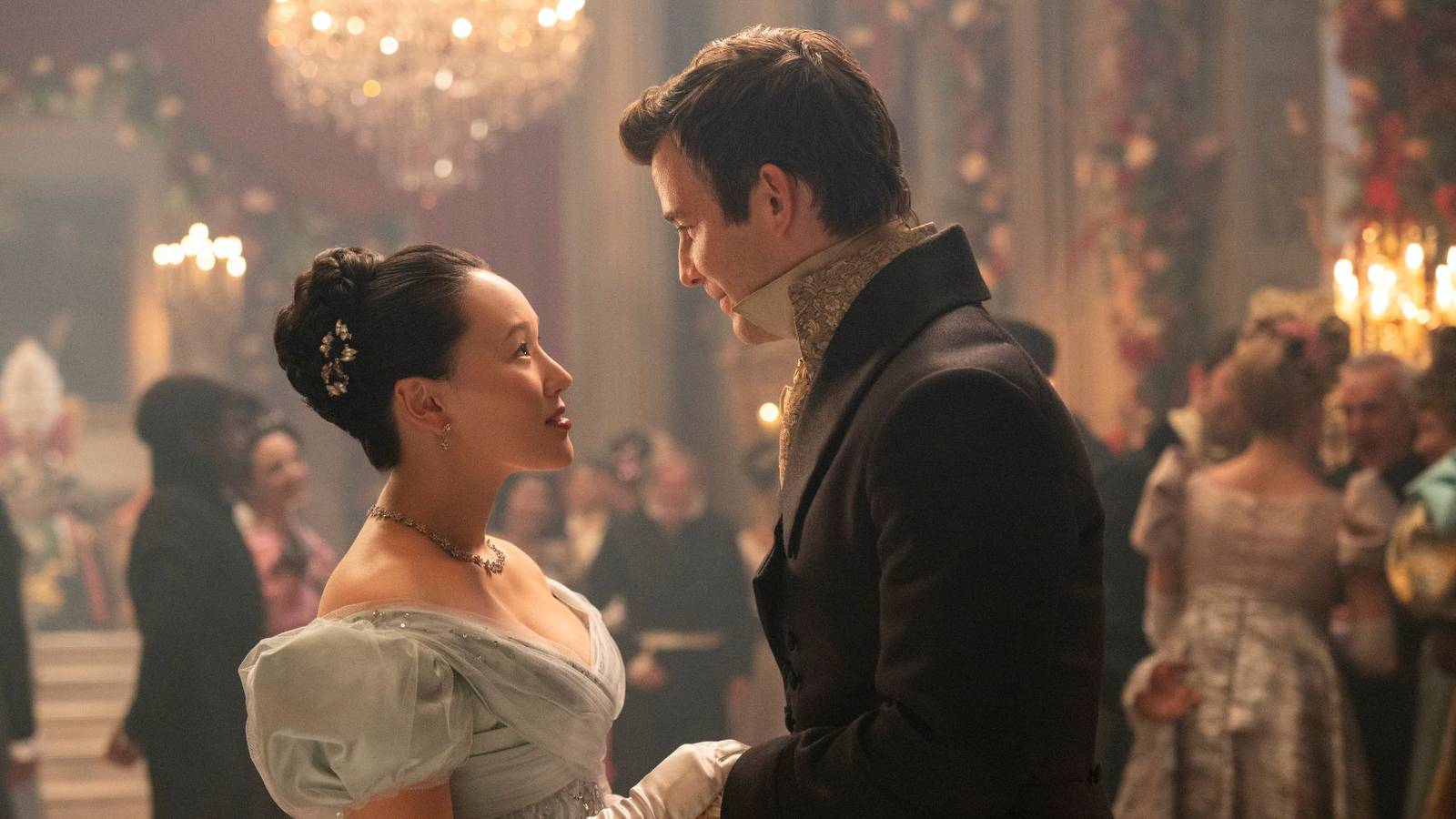
The Wallflowers offers a more streamlined alternative. Four primary novels follow a smaller group of recurring characters, creating a potentially more manageable production scope without sacrificing the possibility of a substantial television run.
The series could also expand beyond those four books.
Kleypas’ seven-book Victorian-era series The Ravenels provides a natural continuation. Several of its stories follow the adult children of couples from The Wallflowers, creating an opportunity for a potential second series that could revisit the original characters while introducing an entirely new generation.
That connection gives a television adaptation a broader narrative path. A Wallflowers series could eventually show how its original eight central figures have changed with age while following their children’s relationships with another eccentric family.
The Ravenels Could Open the Door to a Larger Kleypas Universe
The first Ravenels novel, Cold-Hearted Rake, introduces the working-class Ravenel brothers after they inherit a neglected estate from a deceased relative. One brother has a reputation as a scoundrel, while the other is content to embrace an irresponsible lifestyle.
The story also introduces Kathleen, the Earl’s fiercely defensive widow, along with three unconventional sisters: Helen, reserved but strong-willed; Pandora, an ambitious career pioneer; and Cassandra, an intelligent and captivating young woman.
These connections give Kleypas’ books the potential to function as a larger interconnected world. The relationships between the families, their friendships, rivalries, and conflicts can continue independently of the central romances, providing the kind of narrative momentum that television adaptations need.
What a Wallflowers Adaptation Would Need to Get Right
A successful adaptation would not need to abandon the qualities that made Bridgerton popular. A series based on The Wallflowers could similarly embrace lavish period settings, playful modern touches, emotional sincerity, and big romantic gestures while remaining faithful to Kleypas’ particular style.
The key would be understanding the spirit of the books rather than simply reproducing their plots.
That also means allowing room for thoughtful changes. Kleypas has spoken about recognizing and rewriting some of the sexism she had internalized in her earlier work, giving an adaptation an opportunity to approach those elements with the benefit of that later perspective.
At its best, The Wallflowers offers exactly the combination that makes historical romance so appealing on screen: sweeping love stories, memorable characters, dramatic social conflicts, and a group of women whose friendship remains at the center of everything.
For viewers still looking for something to fill the space left by Bridgerton, and for a streaming industry searching for another major period-romance franchise, Lisa Kleypas’ world is already waiting for its chance on television.