
A Cult Classic Sword-and-Sandal Series Is Leaving Netflix
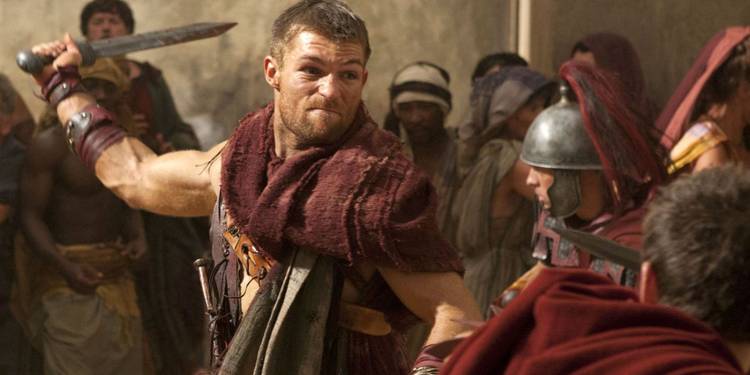
Fans of ancient Rome and brutal sword-and-sandal drama have only a limited time left to revisit Spartacus. The Starz series, which developed a devoted following after its 2010 debut, will leave Netflix on September 15.
The timing is notable because Spartacus arrived at a moment when audiences were still fascinated by the kind of epic violence and spectacle popularized by Gladiator and Zack Snyder’s 300. The series quickly carved out its own identity, mixing Roman politics, personal rivalries, gladiatorial combat, graphic nudity, and larger-than-life characters.
Spartacus Became a Starz Cult Favorite
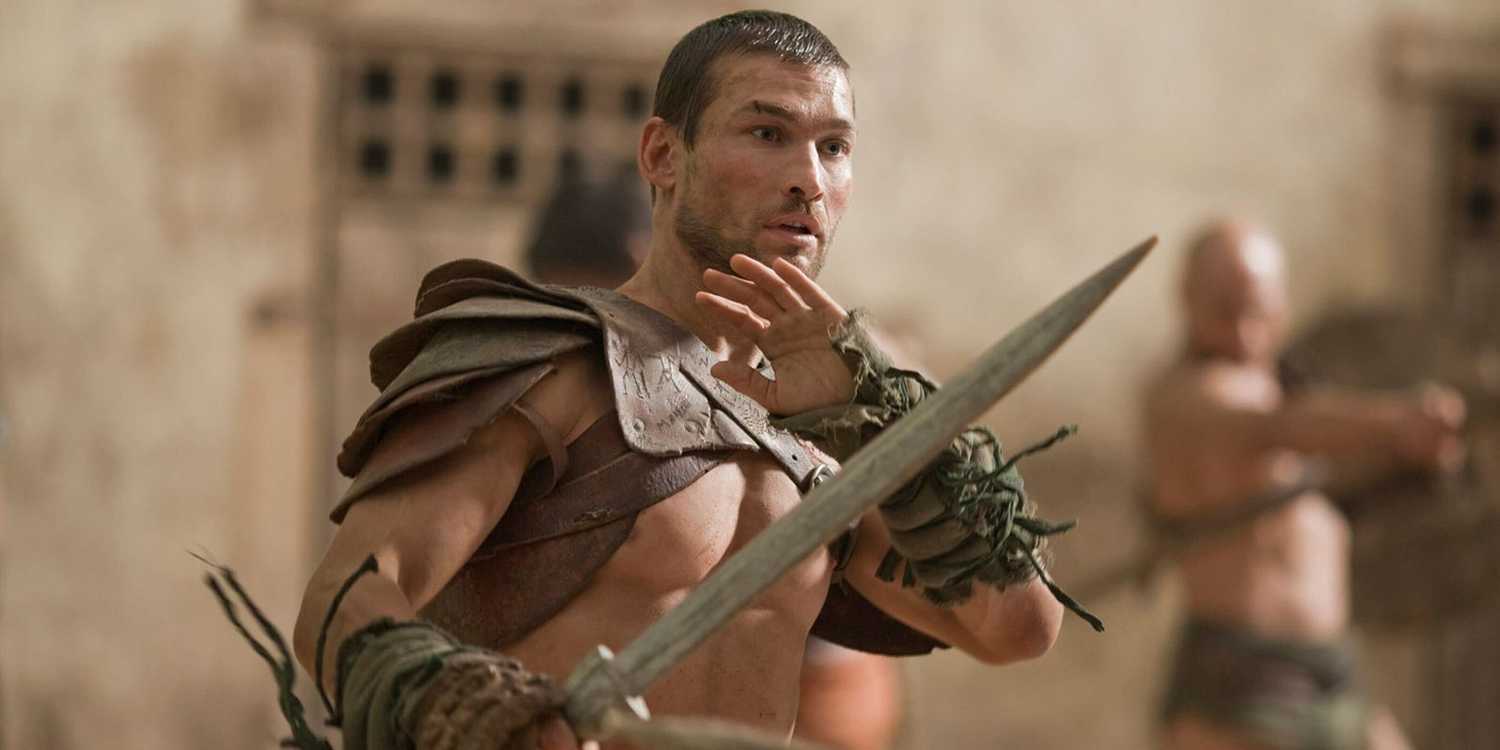
Developed by Steven S. DeKnight, Spartacus premiered in 2010 and explored ancient Rome through a wide range of characters, from corrupt officials and privileged socialites to powerful fighters and gladiators.
Andy Whitfield played the titular Spartacus and carried the series through its first season. Tragically, Whitfield died after completing work on that season. Liam McIntyre subsequently took over the role for the second and third seasons.
The production also took an unusual route during that transition. A prequel season was filmed between the first and second seasons without the title character, while production on the main series was temporarily halted following Whitfield’s death.
The show ultimately ran for three seasons and a prequel on Starz between 2010 and 2013. Its creative team also included executive producers Sam Raimi and Rob Tapert, while the cast featured John Hannah, Lucy Lawless, and Peter Mensah, who would later appear in Gladiator II.
The Series Still Has a Following
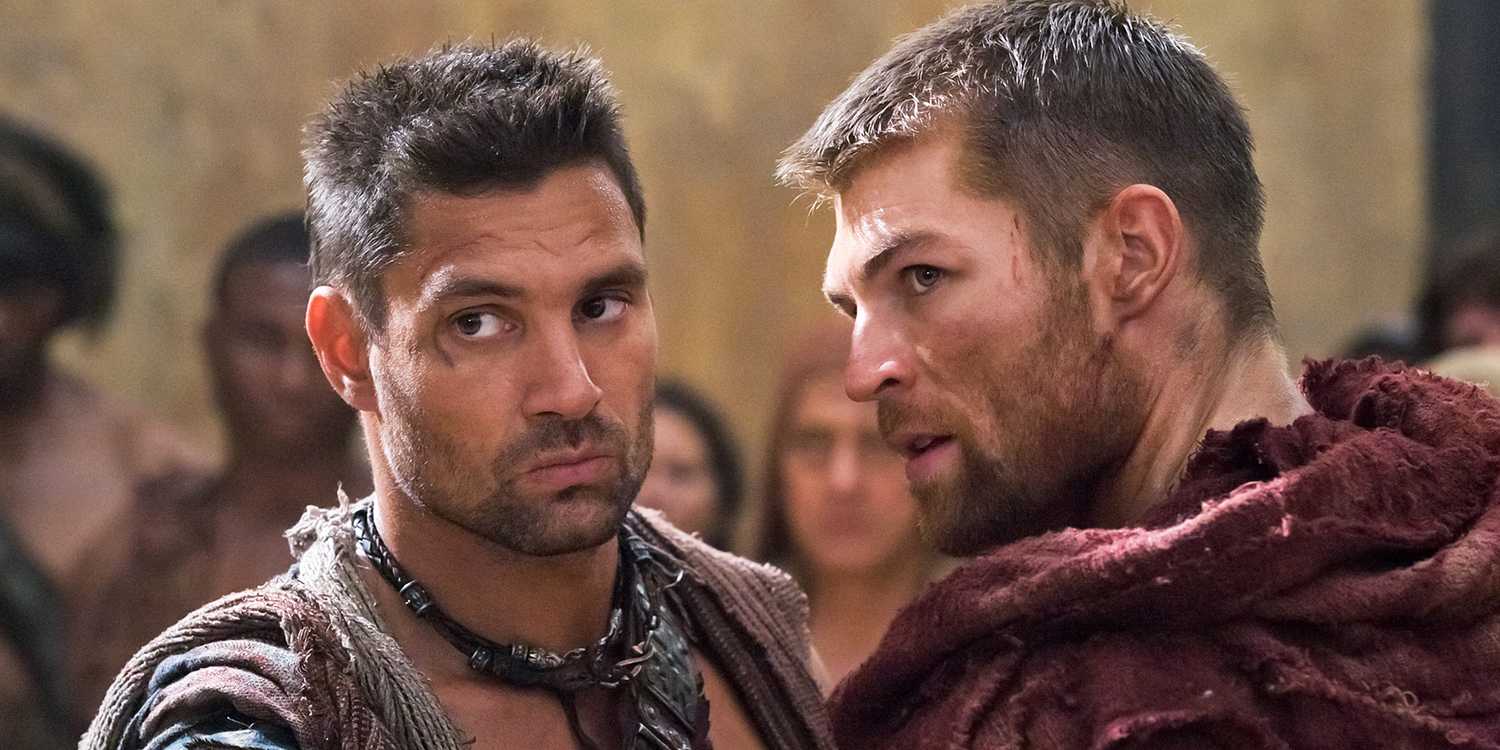
Spartacus became particularly known for its unapologetically graphic approach to violence and nudity, helping it stand apart from other historical dramas of its era. The original series currently holds a 64% score on Rotten Tomatoes.
Its legacy also continued more than a decade after the original run ended. Starz announced a sequel series, Spartacus: House of Ashur, but the 10-episode show was canceled after concluding its debut season earlier this year.
For viewers who want to return to the original series, Netflix remains an option for a little while longer. Spartacus will be available to stream there through September 15.

Those About to Die Failed to Capture the Same Attention
The departure of Spartacus is also a reminder of how difficult it has been for newer Roman-era dramas to make the same impact.
Just two years ago, Peacock released Those About to Die, a series based on the novel that inspired Ridley Scott’s Gladiator. Like John Carter, another project that was promoted in connection with more successful properties, the series arrived and disappeared with relatively little impact.

Those About to Die focused on gladiators in ancient Rome while also following soldiers, charioteers, and other morally questionable figures. For viewers who had grown up with Gladiator and had embraced Spartacus during its cult-favorite run in the early 2010s, however, the series struggled to feel fresh.
That contrast helps explain why Spartacus remains memorable. Despite its divisive style and graphic content, the series established a distinct identity during its 2010 to 2013 run and built an audience that continued to remember it long after the finale.
With its Netflix departure set for September 15, fans now have a limited window to stream the series there.
Stay tuned to Collider for more updates.