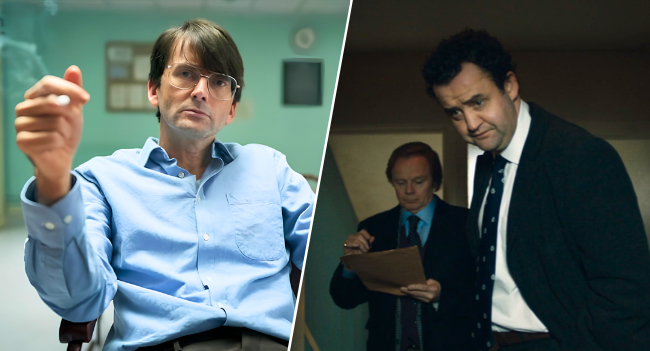
David Tennant’s Darkest Crime Thriller Since ‘Broadchurch’ Is a Must-Watch – And You Can Binge All Three Episodes in Under 3 Hours
David Tennant has played detectives, eccentric time travellers and some of television’s most memorable characters. But one of his most disturbing performances came when he stepped away from the side of the law and became a real-life serial killer.
Three years after Broadchurch ended in 2017, the Scottish actor took on a dramatically different challenge in ITV’s Des, a chilling three-part crime drama based on the crimes of Dennis Nilsen. Released in 2020, the overlooked miniseries saw Tennant transform into one of Britain’s most notorious murderers – and the result remains one of the strongest performances of his career.
With just three episodes, the entire series can be watched in a single sitting. But its unsettling portrayal of real-life horrors is anything but easy viewing.
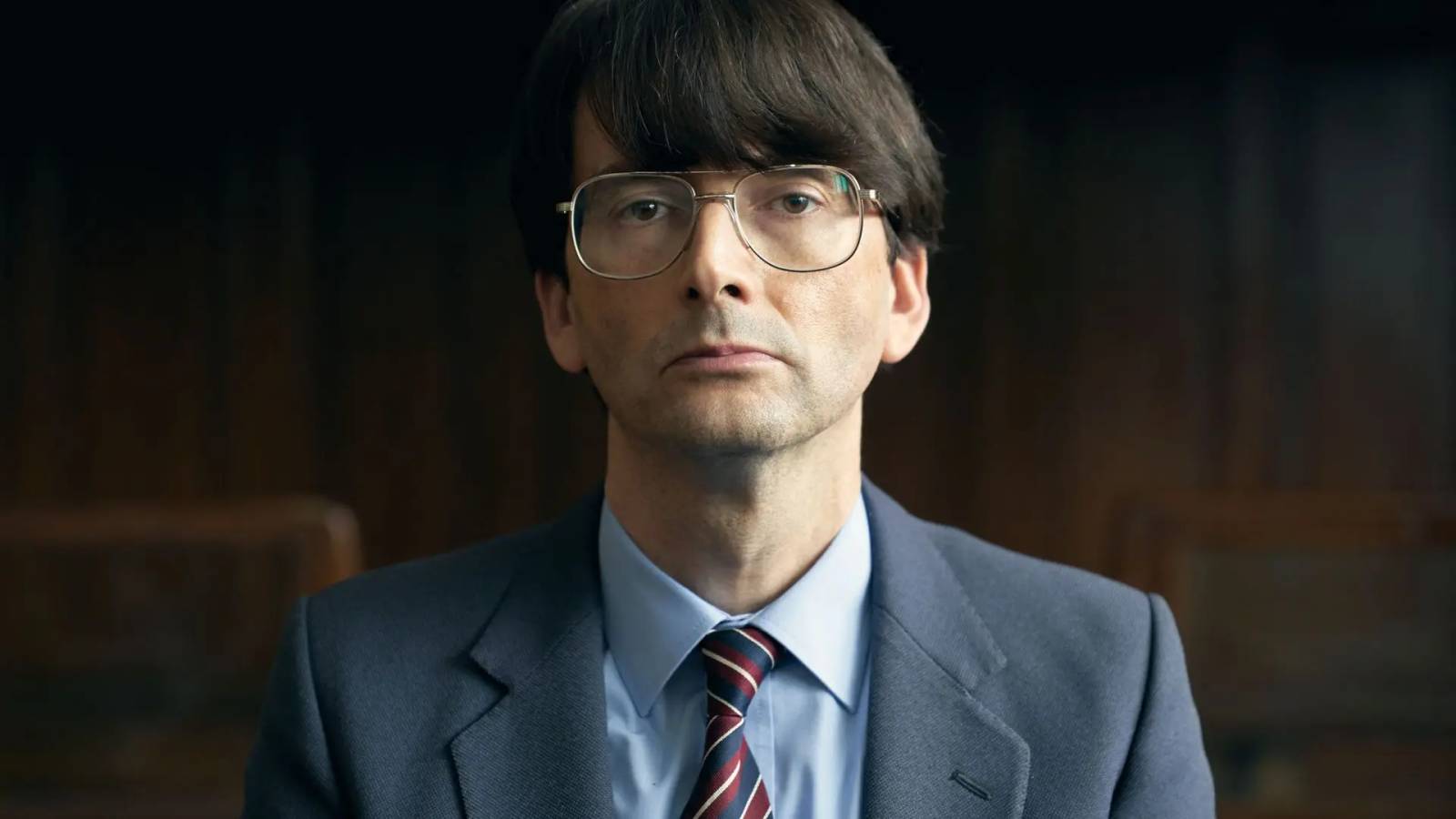
‘Des’ Takes David Tennant From Beloved Detective to Notorious Killer
Tennant became widely acclaimed for playing Detective Inspector Alec Hardy in Broadchurch, the hugely successful ITV crime drama that ran for three seasons and 24 episodes alongside Olivia Colman.
His portrayal of the troubled, emotionally exhausted detective was so convincing that he later took on an equivalent role in the American remake, Gracepoint.
However, Des offered an entirely different test of his acting abilities.
Directed by Lewis Arnold, who previously helmed Broadchurch Season 3, Episode 6, the three-part ITV miniseries follows the investigation into Scottish serial killer Dennis Nilsen.
Between 1978 and 1983, Nilsen murdered several people. His crimes came to light after human remains were discovered blocking the drainpipes near his home in London, ultimately leading to his arrest.
Instead of investigating a murderer, Tennant was now playing one.
And his transformation was extraordinary.

Why David Tennant’s Performance Is So Disturbingly Convincing
What makes Tennant’s portrayal particularly unsettling is how far it stays away from the familiar image of a theatrical, hysterical serial killer.
His Nilsen is quiet, controlled and disturbingly ordinary on the surface. There are no exaggerated outbursts or obvious displays of madness. Instead, Tennant builds the character through subtle body language, vacant eyes and an unnervingly restrained manner.
That understated approach makes the crimes behind the seemingly unremarkable man even more horrifying.
The performance also exposes Nilsen’s narcissism and his apparent belief that he would never be caught. Rather than relying on shock value, Tennant creates tension through the character’s psychology, allowing the audience to confront the disturbing reality of the man behind the murders.
It is a striking demonstration of Tennant’s dramatic range, particularly for an actor whose comedic work in Doctor Who has sometimes overshadowed his darker performances.
The critical response reflected just how powerful the transformation was.
As of November 3, 2026, Des holds:
- 90% on Rotten Tomatoes from critics.
- 92% audience score.
- An International Emmy Award for Tennant, who won Best Actor in 2021.
Radio Times also praised his work, describing it as “one of his best in an impeccable career.”

David Tennant Revealed How He Prepared to Play Dennis Nilsen
Taking on a real-life murderer required more than simply learning the character’s dialogue. Tennant wanted to understand how Nilsen actually behaved, spoke and presented himself.
Speaking to Radio Times, the actor explained that surviving footage provided an important starting point for building his portrayal.
“There is some footage of Nilsen in an interview he did with Granada Television when he was in prison, and he was an avid home movie-maker, some of which survive, so we were able to see those.
It was a useful starting point to see how he moved and how he sounded, as there are occasional bits of audio of him around, too. And, of course, the notebooks — he wrote and wrote and wrote in prison.”
Those recordings and written materials helped Tennant develop a performance rooted in the real man’s mannerisms rather than a fictionalised version of a serial killer.

The Team Behind ‘Des’ Refused to Turn a True Story Into Horror Entertainment
There was another important decision shaping the miniseries: its creators deliberately avoided turning Nilsen’s crimes into sensationalised horror.
Tennant explained that the intention was not to exploit the disturbing subject matter or make the killer appear entertaining.
Drawing comparisons with David Fincher’s Mindhunter, the approach focused on exploring Nilsen’s psychology and attempting to understand the person behind the crimes.
As Tennant put it:
“What we didn’t want to do is titillate or turn Des into a horror movie. That is not the kind of story we are trying to tell. What we are doing is trying to figure out who this creature was.”
That distinction is central to what makes Des so compelling. The series does not need exaggerated violence or theatrical villainy to unsettle its audience. Its most disturbing moments come from the contrast between Nilsen’s seemingly ordinary exterior and the horrifying reality of his actions.
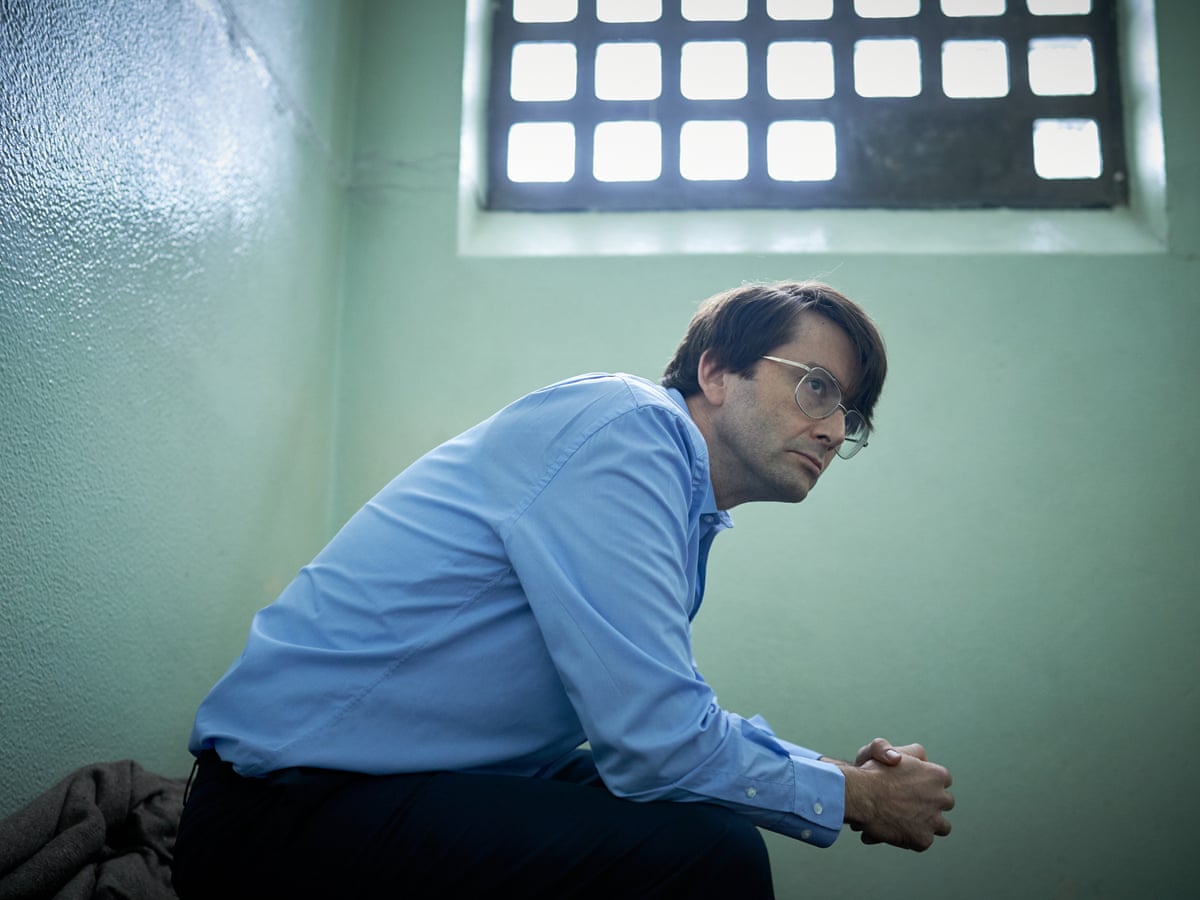
Should You Watch ‘Des’?
If you enjoyed Broadchurch and want to see Tennant tackle something considerably darker, Des deserves a place on your watchlist.
Watch it if:
- You are interested in real-life crime stories and psychological thrillers.
- You want to see David Tennant deliver one of his most acclaimed dramatic performances.
- You prefer character-driven tension over conventional action and chase sequences.
Skip it if:
- The subject matter of real-life serial murders is too disturbing.
- You prefer fast-paced crime dramas packed with action and constant twists.
With only three episodes and a runtime of less than three hours, Des is an easy series to finish in one sitting. Its subject matter, however, may stay with you considerably longer.
For anyone who remembers Tennant as the haunted detective in Broadchurch, watching him disappear into the opposite side of the law is a remarkable reminder of just how versatile an actor he can be.