Forget ‘True Detective’ – This 10/10 Crime Thriller Miniseries Is the Dark, Twisted Binge You Shouldn’t Miss
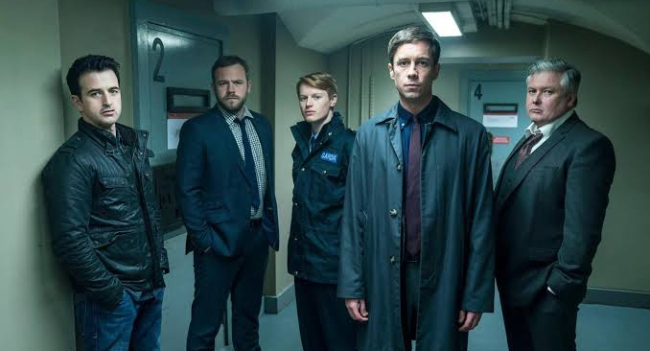
If you think you’ve seen every possible twist a crime thriller can deliver, Dublin Murders may have something else in store. Packed with disturbing discoveries, buried childhood trauma, missing children and unsettling supernatural undertones, this eight-part mystery has all the ingredients of a gripping psychological thriller. And if you’re still searching for something to fill the True Detective void, this overlooked gem deserves a place at the top of your watchlist.
Created by Sarah Phelps and adapted from Tana French’s Dublin Murder Squad book series, the miniseries combines a complex murder investigation with deeply personal mysteries that refuse to stay buried.
Like Phelps’ previous work on Agatha Christie’s Ordeal by Innocence and A Very British Scandal, the series puts dramatic storytelling front and centre. But there’s something particularly unsettling about Dublin Murders: beneath its gritty police procedural lies a psychological mystery that occasionally ventures into supernatural territory.

A Teenage Girl’s Murder Uncovers a Detective’s Terrifying Childhood Secret
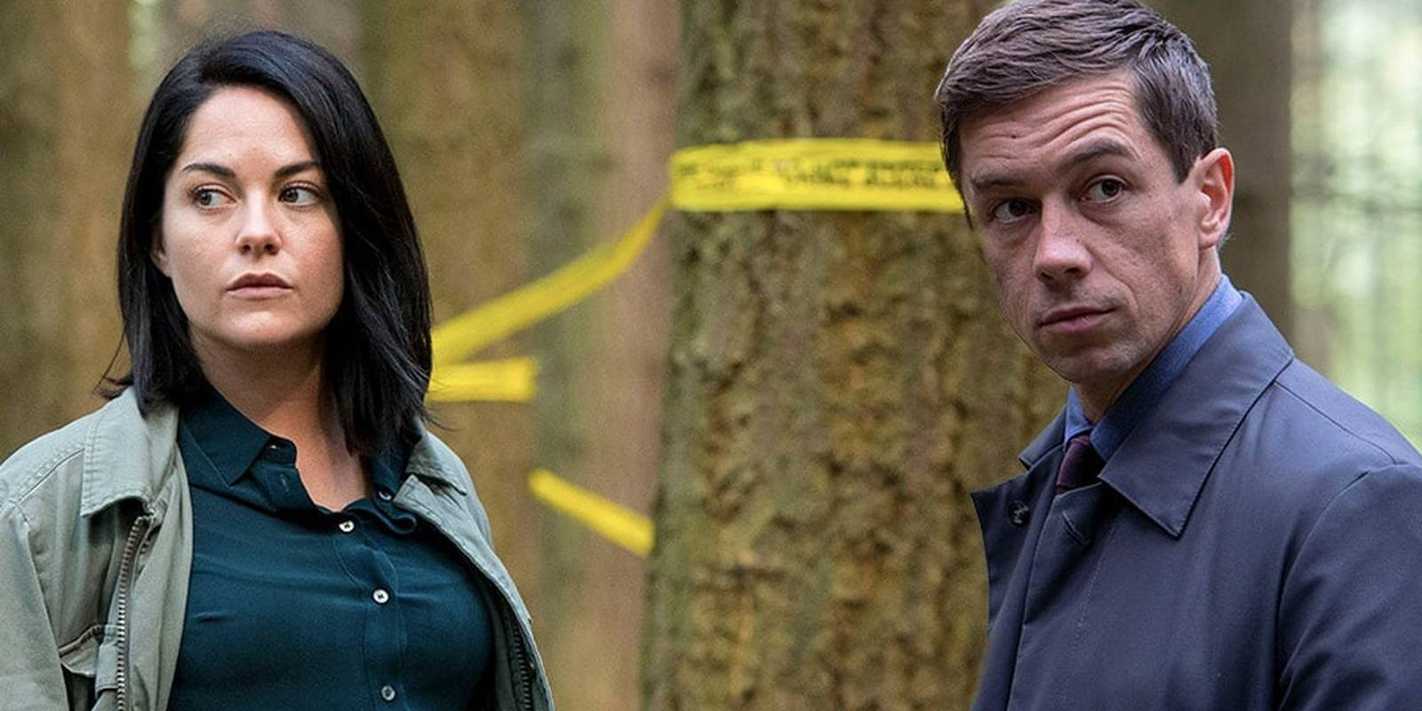
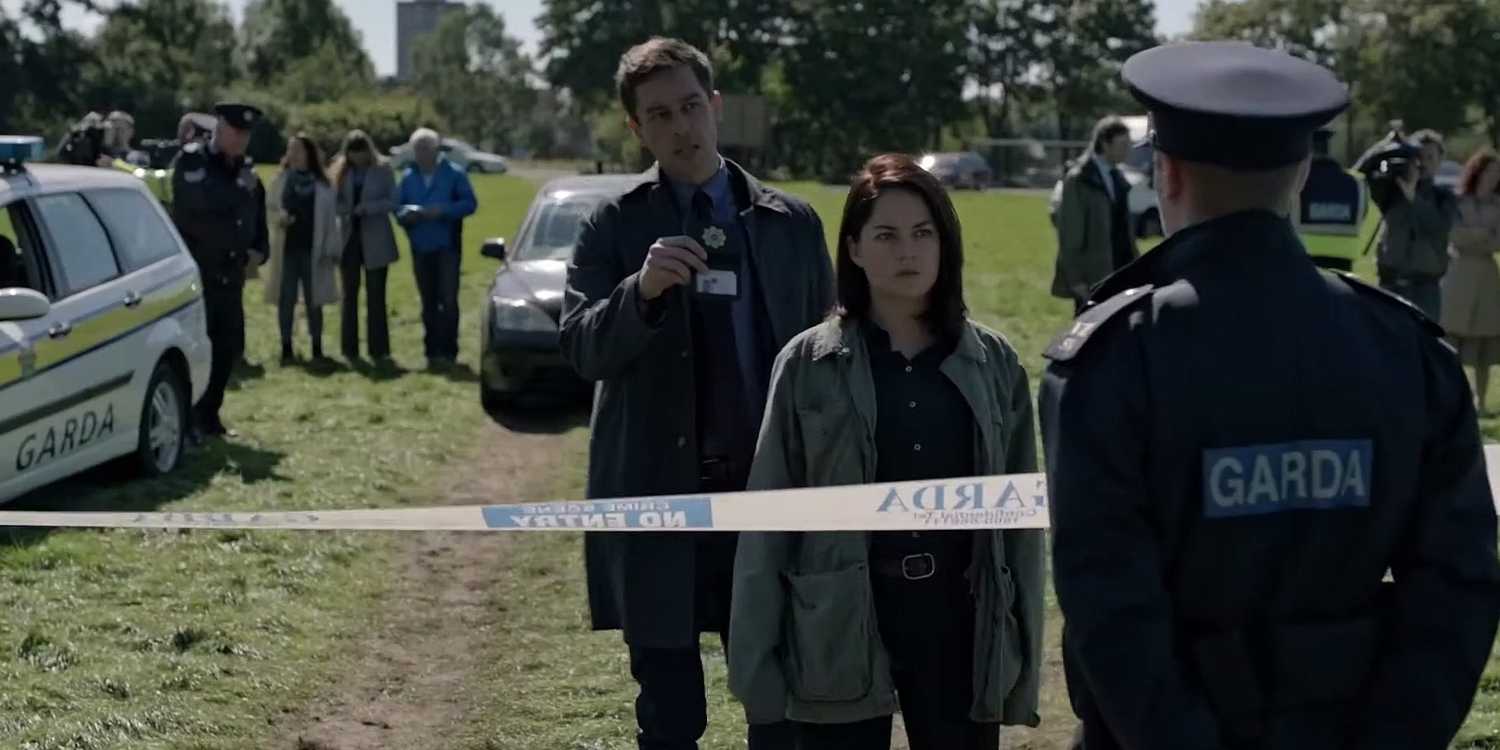
At the centre of the story are Rob Reilly (Killian Scott) and Cassie Maddox (Sarah Greene), two detectives working together in Ireland’s capital.
Their latest assignment takes them to a rural town outside Dublin, where a teenage girl’s body has been discovered in the middle of a forest. For Reilly, however, the location makes the investigation far more personal than anyone could have anticipated.
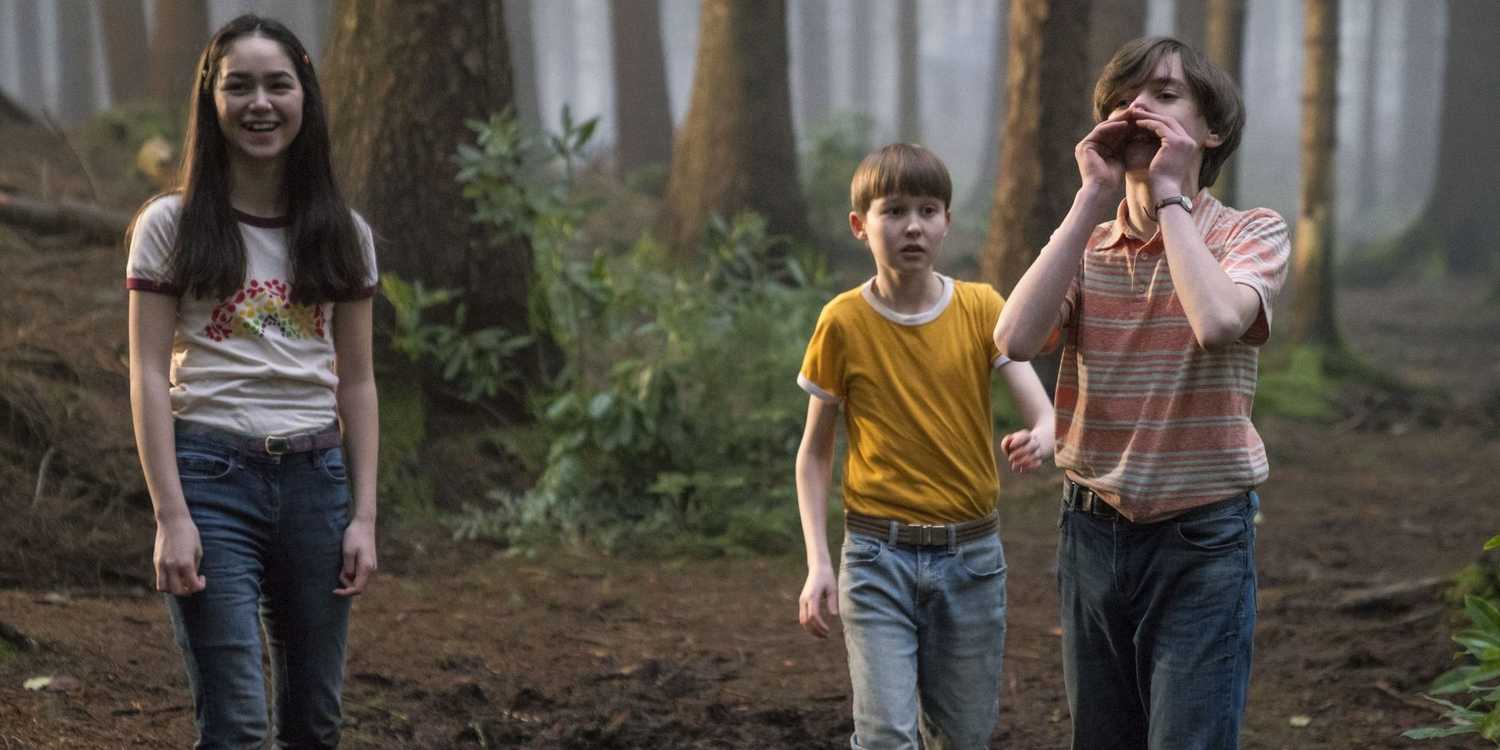
Years earlier, when he was still known as Adam, Reilly entered those very woods with his two closest childhood friends. He was the only one who ever came back.
The other two children vanished without a trace. Their fate remains unknown, leaving behind a mystery that has haunted him ever since.
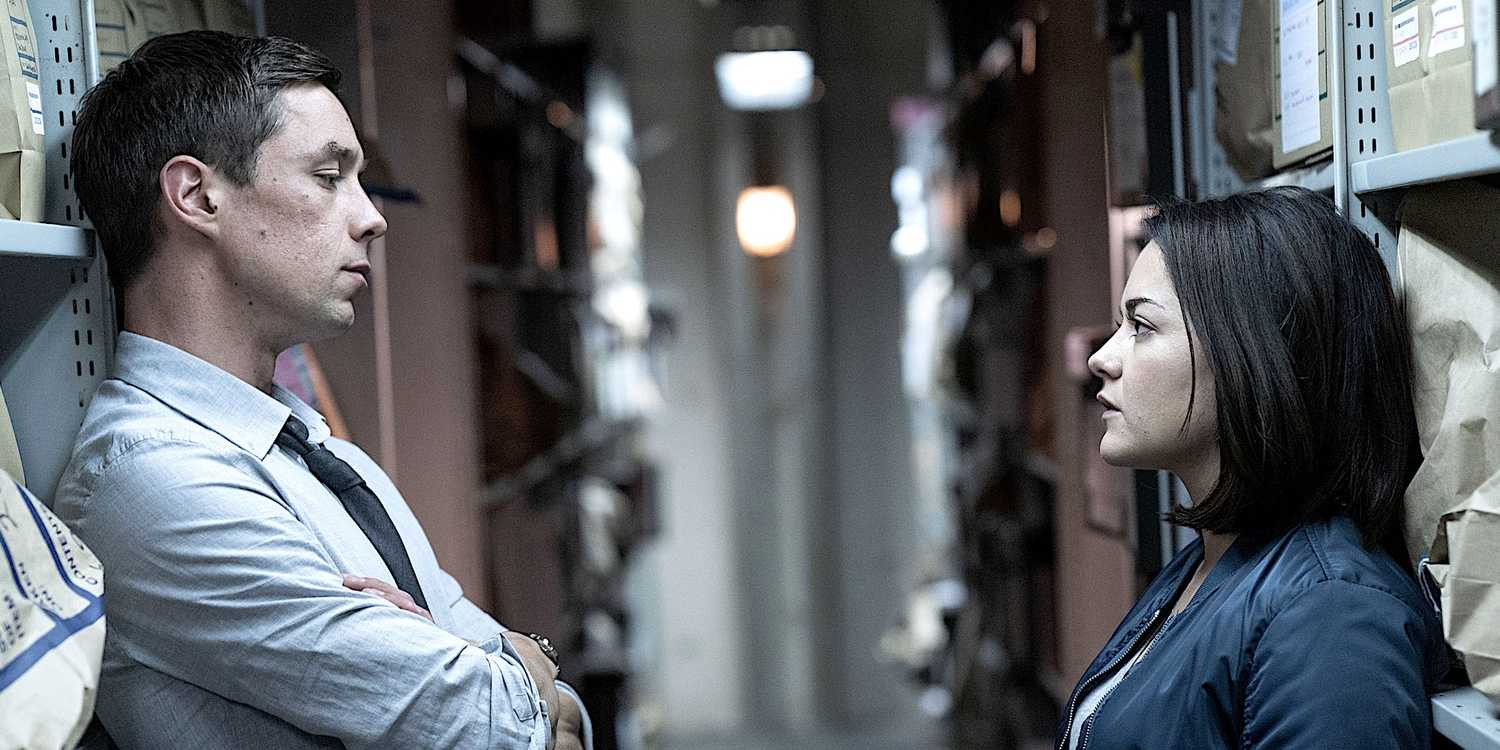
The disappearance brought relentless harassment from neighbours, eventually prompting Reilly’s mother to send him to boarding school in England. As an adult, he returned to Ireland under a new identity, still searching for answers about what happened that day.
But Reilly isn’t the only detective carrying unresolved trauma.
Maddox has her own painful history. She survived a devastating accident that killed both her parents instantly, leaving her struggling to understand why she was spared.
When the pair agree to investigate the teenage girl’s murder, the case becomes an opportunity to confront the secrets that have shaped both their lives.
Why ‘Dublin Murders’ Deserves to Be Mentioned Alongside ‘True Detective’
The similarities between Dublin Murders and True Detective become apparent almost immediately.
Like the first season of HBO’s acclaimed anthology series, the Irish miniseries drops viewers into a story where the central investigation is already underway. But rather than relying solely on the crime itself, it quickly establishes a darker philosophical undercurrent.
One particularly haunting moment comes when Reilly turns to Maddox and asks:
“What if the killed are the lucky ones? The chosen? And the rest of us aren’t lucky at all?”
It’s the kind of existential question that wouldn’t feel out of place in True Detective.
The comparison also recalls the exchange between Marty Hart (Woody Harrelson) and Rust Cohle (Matthew McConaughey) in the first season. When Marty wonders whether Rust ever thinks he’s a bad man, Rust responds with his bleak observation that the world needs bad men to keep other bad men from the door.
Both shows use their investigations to explore the darker corners of human nature, but Dublin Murders gives that approach its own distinctive identity.
At the heart of the story are two deeply damaged people whose experiences have pushed them in opposite emotional directions.
- Rob Reilly: Once seemingly cold and emotionally detached, he has grown into someone far more openly expressive.
- Cassie Maddox: Her traumatic experiences appear to have made her increasingly guarded, measured and reluctant to reveal what she feels.
Their relationship adds another layer of tension. Both harbour deep secrets, and although romantic feelings exist between them, neither seems willing to become vulnerable enough to fully commit.
As their individual stories unfold, however, those emotional defences begin to crack.
The result gives Killian Scott and Sarah Greene plenty of room to demonstrate their acting abilities, transforming what could have been a conventional detective partnership into something considerably more complicated.
The Supernatural Twist Takes This Crime Thriller Somewhere Unexpected
Just when viewers might think they’ve figured out the show’s direction, Dublin Murders introduces an even stranger dimension.
Throughout the investigation, the detectives encounter increasingly disturbing developments. Characters seemingly disappear into thin air, forensic examinations lead to frustrating dead ends, and the evidence itself raises questions that are difficult to explain.
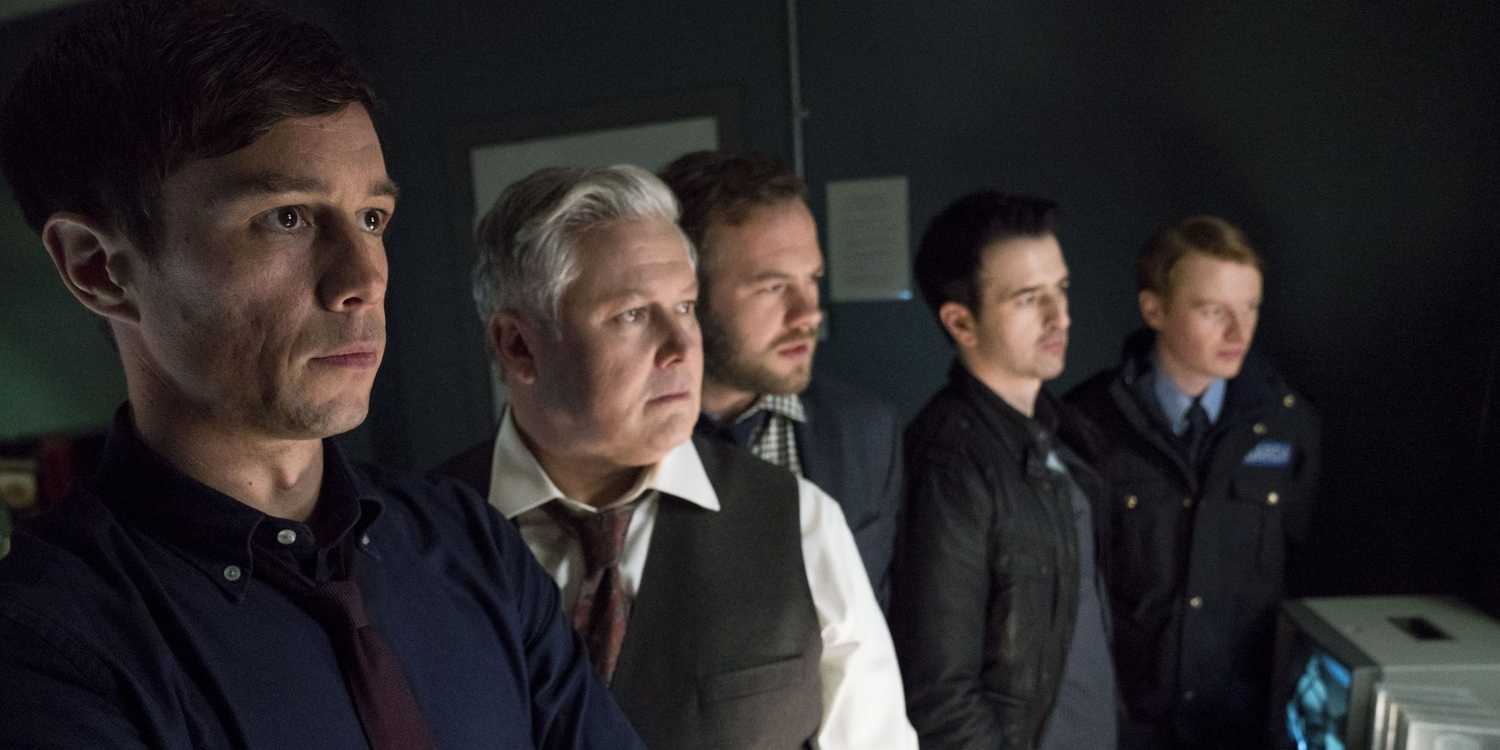
Among the most unsettling discoveries are blood samples that match neither the victims nor the suspects, alongside victims found with burnt eyes and severed tongues.
The series gradually moves beyond the boundaries of a traditional murder mystery, embracing an atmosphere that recalls the horror-tinged fourth season of True Detective, subtitled Night Country.
One of its most surprising revelations involves Maddox herself.
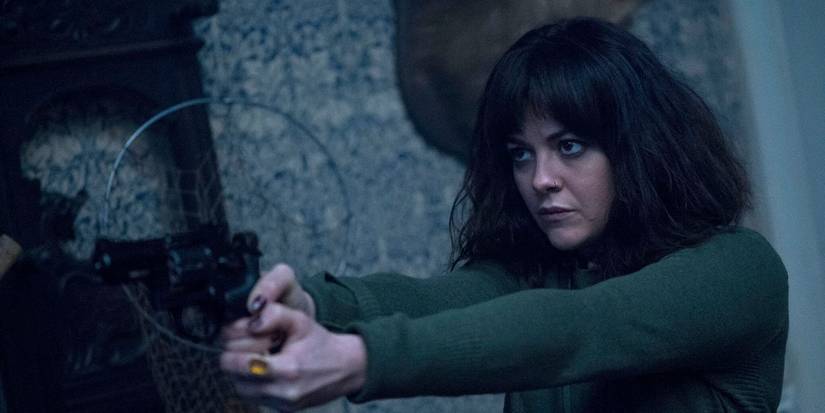
It emerges that she has a doppelgänger – an imaginary double she created during childhood in the aftermath of the accident that killed her parents.
This figure becomes a constant companion, someone Maddox turns to for guidance and reassurance when faced with important decisions in her life.
The revelation offers a glimpse into the series’ increasingly supernatural direction, while also deepening the psychological complexity of its central character.
Reilly’s own traumatic childhood continues to cast a shadow over the investigation, reinforcing the show’s central fascination with memory, loss and the secrets people carry long after the events that shaped them.
Why ‘Dublin Murders’ Should Be Your Next Crime Thriller Binge
What makes Dublin Murders particularly compelling is its refusal to treat the murder investigation as the only story worth telling.
Beneath the disturbing crimes and unexpected discoveries lies a character-driven psychological thriller about mental health, fractured family relationships, emotional trauma and the complicated connections between people.
Its eight episodes weave these themes into a mystery that becomes increasingly personal for the detectives at its centre.
Fans of True Detective will recognise the bleak atmosphere, philosophical questions and unsettling approach to crime. But Dublin Murders brings enough of its own psychological depth and supernatural intrigue to stand apart.
For anyone who enjoys dark mysteries that linger long after the investigation begins, this is an overlooked miniseries well worth adding to the watchlist.