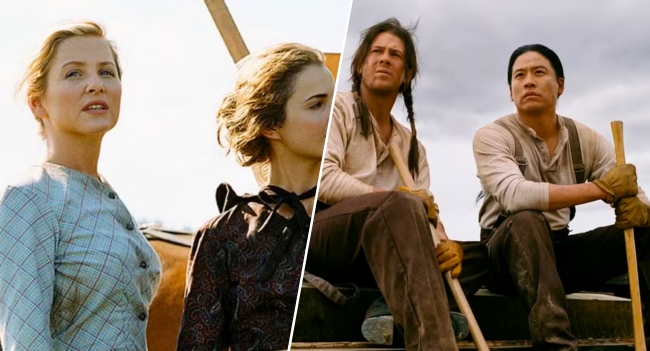
The Forgotten Steven Spielberg Western That Helped Shape the Groundwork for Taylor Sheridan’s Biggest Hits
Before Taylor Sheridan turned 1883 and 1923 into acclaimed television events, Steven Spielberg had already attempted something remarkably ambitious: a sweeping Western epic that brought together Hollywood stars, Indigenous performers and some of the most turbulent chapters in American history.
Released in 2005, Into the West was far more than another frontier drama. Backed by DreamWorks and produced by Spielberg, the six-part miniseries ran for approximately 12 hours, featured more than 250 speaking roles and traced the transformation of the American West across generations.
Yet despite its enormous scope and impressive cast, the production has largely slipped under the radar. For viewers who have been captivated by Sheridan’s historical Westerns, this forgotten miniseries deserves a place on their watchlist.
Into the West Tackles American History From Two Very Different Perspectives
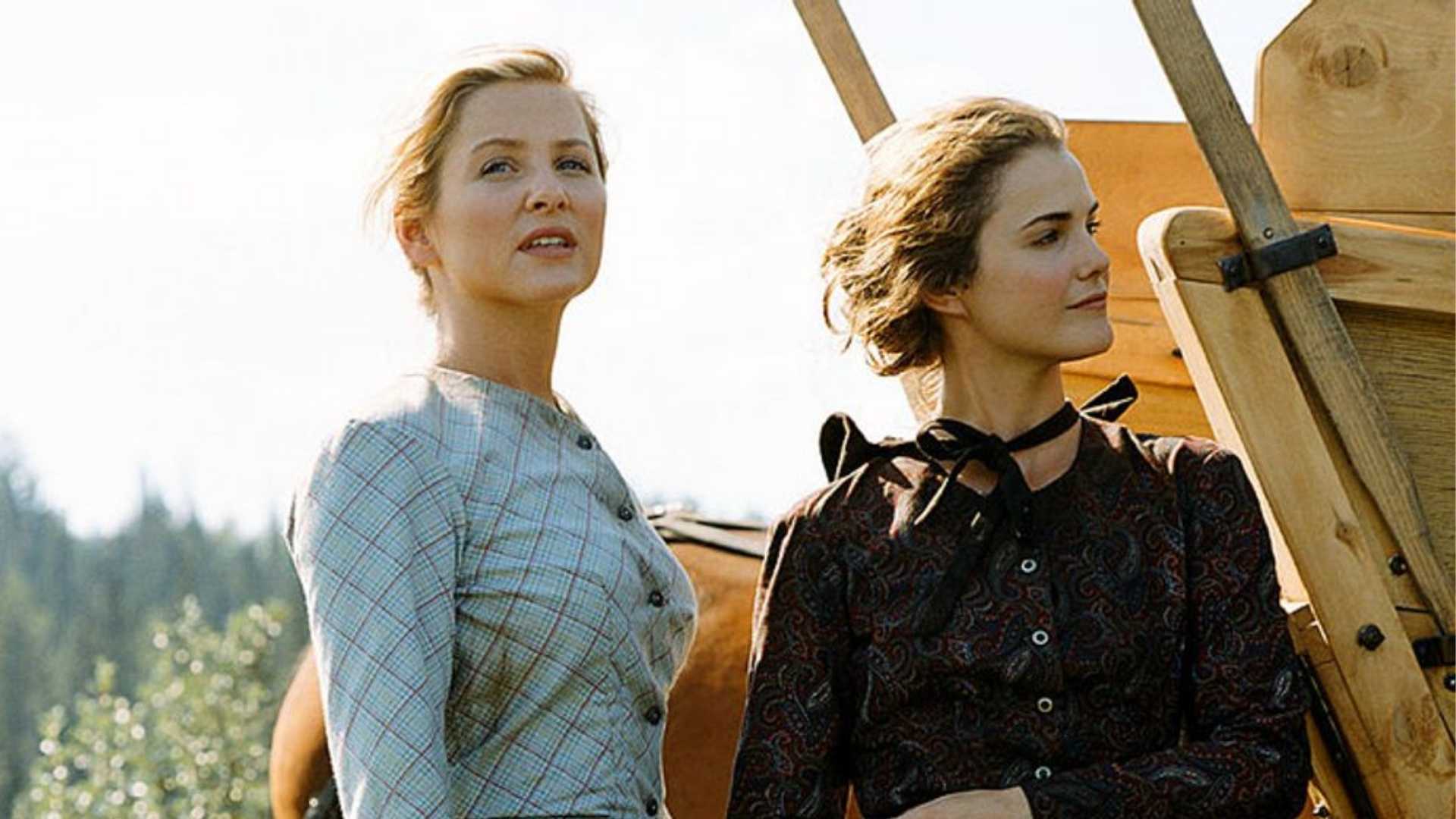
What sets Into the West apart is its decision to tell the story of the American frontier through two families living on opposite sides of a changing nation.
One storyline follows a family of white settlers, while the other centres on a Great Plains Lakota family. Their experiences unfold against the backdrop of the Civil War and the decades of upheaval that followed, revealing two dramatically different perspectives on the same historical period.
The series spans 65 years, from 1825 to 1890, giving the narrative room to explore how generations of both families are shaped by the expansion of the American frontier.
Its commitment to historical representation was particularly notable. The production brought together Native American and First Nations performers, incorporated authentic Indigenous languages and paid considerable attention to period costumes, settings and cultural details.
Rather than treating Indigenous communities as background characters in someone else’s story, Into the West gives their experiences a central place in its narrative.
That approach adds considerable depth to the production, particularly as it confronts the painful realities of westward expansion.
The Scale and Historical Detail Make It Stand Out
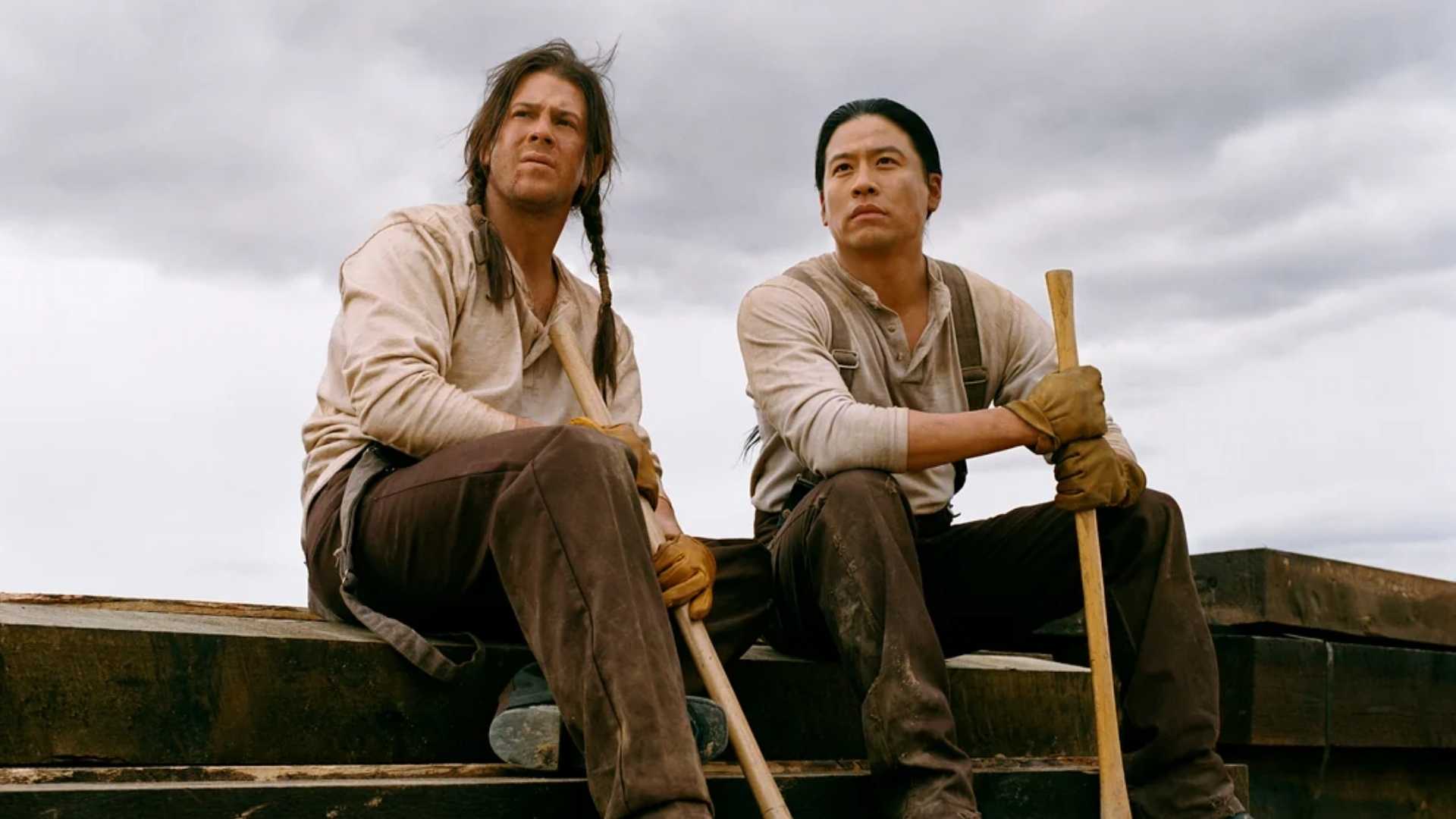
With DreamWorks providing financial backing, the filmmakers had the resources to create a production on a scale rarely attempted by television Westerns.
The result is a visually ambitious miniseries featuring sweeping landscapes, cinematic photography and large-scale production design. Its action sequences also recreate several defining periods and events in American history.
Among the historical episodes explored are:
- The California Gold Rush.
- The American Civil War.
- The Wounded Knee Massacre.
These events are not simply used as dramatic backdrops. The series examines the consequences of historical change, including the violence and suffering that accompanied the expansion of the United States.
It is this willingness to confront uncomfortable aspects of American history that gives Into the West much of its emotional weight.
The production goes beyond the familiar image of the Wild West, presenting a more complicated account of the people, conflicts and competing interests that shaped the frontier.
Josh Brolin, Keri Russell and Gary Busey Lead an Impressive Ensemble
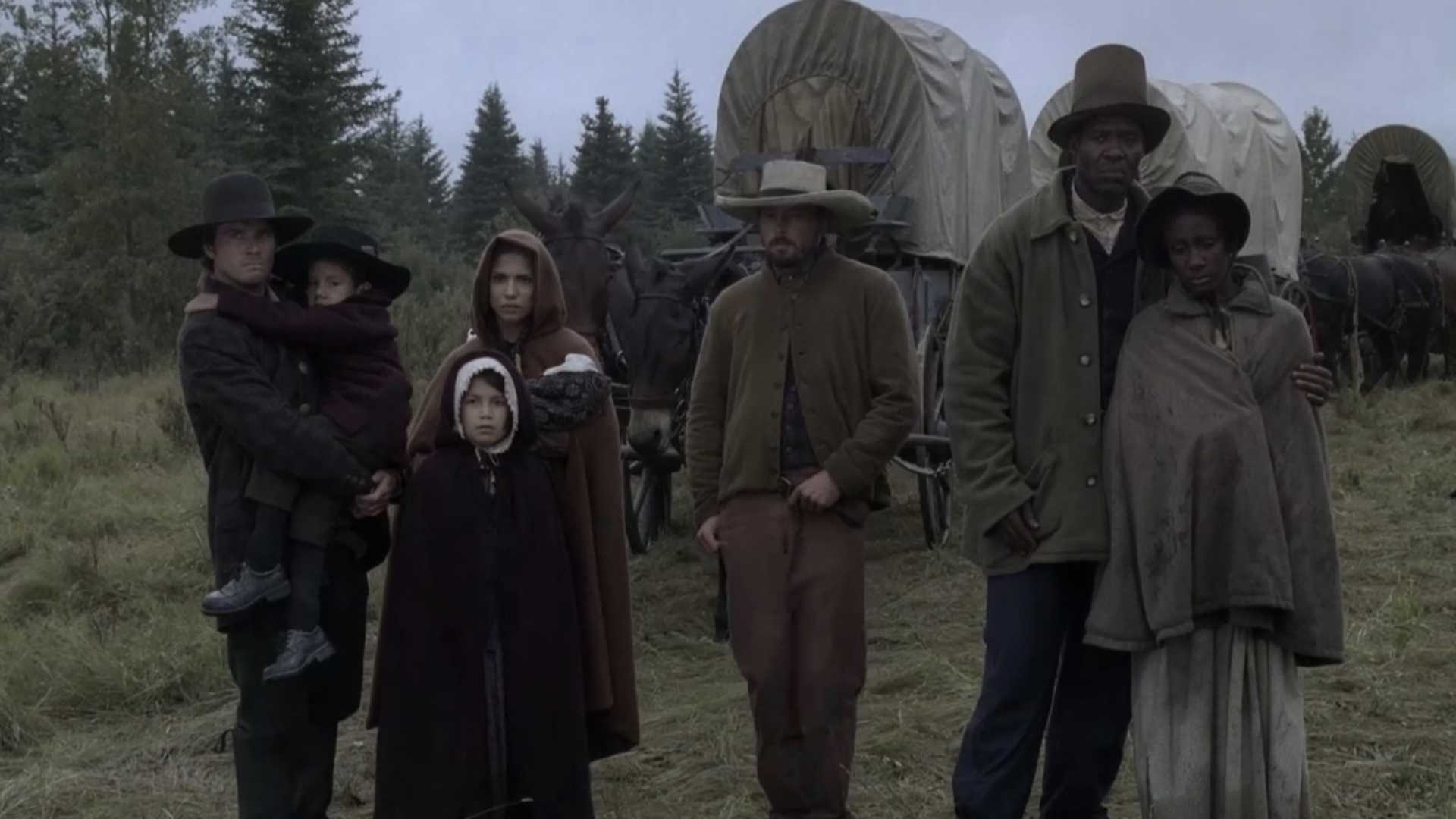
The historical scope of Into the West demanded an unusually large cast, and Spielberg’s production assembled an impressive collection of established Hollywood performers alongside acclaimed Indigenous actors.
Among the familiar Hollywood names appearing in the miniseries are:
- Josh Brolin
- Gary Busey
- Keri Russell
- Tom Berenger
- Sean Astin
The Indigenous and First Nations cast is equally noteworthy, featuring performers whose presence is central to the series’ commitment to telling a broader American story.
Notable names include Wes Studi, Russell Means, Tatanka Means, Graham Greene, Zahn McClarnon and Gil Birmingham.
Their contributions give the Lakota storyline considerable presence, helping ensure that the series does not tell the history of the American West exclusively through the eyes of white settlers.
With more than 250 speaking roles, the production’s ensemble reflects the sheer scale of its ambition.
Why Fans of Taylor Sheridan’s Westerns Should Give It a Watch
There are clear reasons why viewers drawn to 1883 and 1923 may find themselves equally invested in Into the West.
Like Sheridan’s historical dramas, Spielberg’s miniseries combines family stories with major events in American history. Both approaches place individual lives at the centre of a much larger story about survival, conflict, changing societies and the cost of expansion.
But Into the West also has an identity of its own. Its dual-family narrative, emphasis on Indigenous perspectives and exploration of 19th-century American history give it a distinctive place among television Westerns.
Nearly two decades after its original release, the 2005 miniseries remains an ambitious example of what the genre can achieve when cinematic production values meet a willingness to confront difficult history.
For anyone looking for something substantial to watch after 1883 or 1923, Spielberg’s overlooked Western may be exactly the discovery worth making.