The Quentin Tarantino Favorite That’s Free to Stream: The Great Escape
Quentin Tarantino has recommended countless movies over the years, but few have earned the kind of praise he gave The Great Escape. In a 2009 interview with CBS News, the filmmaker called the 1963 World War II epic “probably my favorite war movie” and described it as “one of the most entertaining movies ever made.”
For Tarantino, the film represented a particular kind of wartime filmmaking: a World War II story built first and foremost to entertain. He explained that The Great Escape was “kind of the touchstone goal” for Inglourious Basterds, with the idea of making a war movie that audiences could simply enjoy watching.
Directed by John Sturges, The Great Escape remains one of the defining war and prison-break films of its era. The movie tells the true story of a mass escape by Allied prisoners of war from a German camp during World War II, although the filmmakers made substantial changes to the real events, particularly by adding and Americanizing some of its central characters.
A True Story Shaped for Hollywood
Sturges, whose filmography also includes Bad Day at Black Rock and The Magnificent Seven, approached The Great Escape as a large-scale war thriller while still trying to preserve the substance of the real escape.
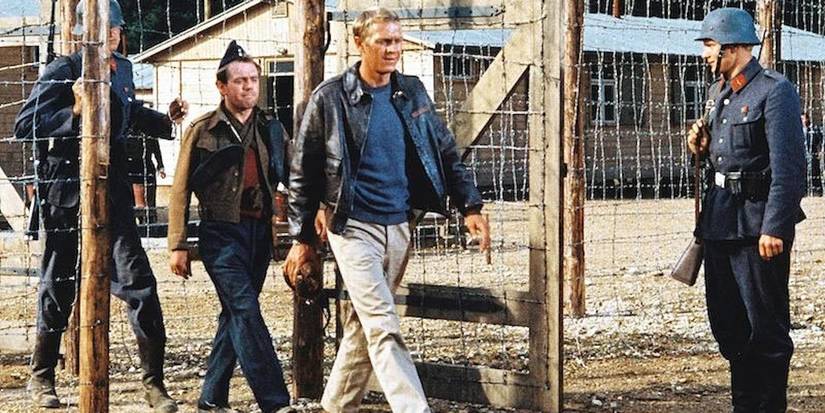
The most obvious example of Hollywood embellishment is Captain Virgil Hilts, played by Steve McQueen. Hilts is an American G.I. and one of the film’s most recognizable characters, even though most of the actual escapees were British.
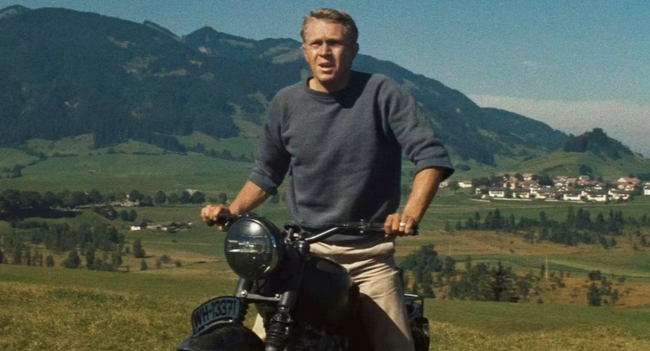
McQueen’s presence also gave the filmmakers an opportunity to stage one of the movie’s most famous sequences. The actor wanted to perform spectacular motorcycle stunts, including the celebrated ride toward the Swiss border. Those sequences were historically inaccurate, but they became inseparable from the film’s identity.
Despite these liberties, Sturges made a serious effort to keep the underlying story grounded in reality. The movie’s opening titles explicitly describe it as the story “as it really happened,” and Sturges reportedly consulted frequently with Donald Pleasence, drawing on the actor’s own experience as a prisoner of war under German command.
Like other major war films of the period, including The Bridge on the River Kwai and The Longest Day, The Great Escape treats war with a degree of toughness that reflected its era. Many moviegoers in the 1960s had direct experience of World War II, so these films often placed greater emphasis on military operations, discipline, and survival than on the psychological exploration common in later war movies.
At nearly three hours, The Great Escape is remarkably controlled in its pacing. The story continually moves between planning, preparation, setbacks, and danger, creating suspense without losing sight of the larger mission.
Steve McQueen’s Defiant Captain Hilts
Steve McQueen had already worked with Sturges before The Great Escape, appearing in the 1959 World War II movie Never So Few. But it was his role in Sturges’ The Magnificent Seven that firmly established him as a major star.
McQueen brought the same effortless cool to Captain Hilts. The character is largely an invention of the screenplay, but his rebellious attitude makes him a natural source of friction within the German prison camp.
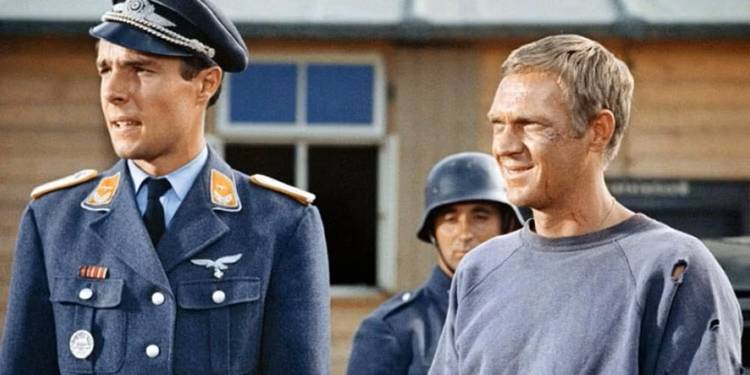
Hilts repeatedly clashes with Oberst von Luger, played by Hannes Messemer, the German officer responsible for the camp. Von Luger takes considerable pride in the security of his facility and its supposedly impenetrable defenses. Hilts, meanwhile, seems determined to prove him wrong.
After yet another escape attempt, Hilts is sent to the camp’s cooler alongside the Scottish prisoner Ives, played by Angus Lennie. The two begin considering their options from inside confinement. Hilts observes the size of the cooler and dryly remarks that “they must be expecting a lot of business.”
McQueen may be the film’s biggest star, but The Great Escape depends heavily on its enormous ensemble. James Coburn and Charles Bronson, both of whom had appeared with McQueen in The Magnificent Seven, are among the other major names.
Bronson plays Polish pilot Welinski, while Coburn portrays Australian prisoner Sedgwick. Each member of the group contributes to the larger escape operation, with different prisoners assigned specific responsibilities according to their skills.
Three Tunnels and One Massive Escape Plan
The prisoners develop an ambitious plan centered on three separate tunnels: “Tom,” “Dick,” and “Harry.” Having multiple escape routes gives them alternatives if one tunnel is discovered.
That precaution eventually proves necessary. One of the tunnels is detected during an impromptu Fourth of July celebration, another example of the screenplay adding a distinctly American flavor to the historical story.
The film spends considerable time showing how the prisoners actually make the escape possible. That attention to preparation is one of its greatest strengths.
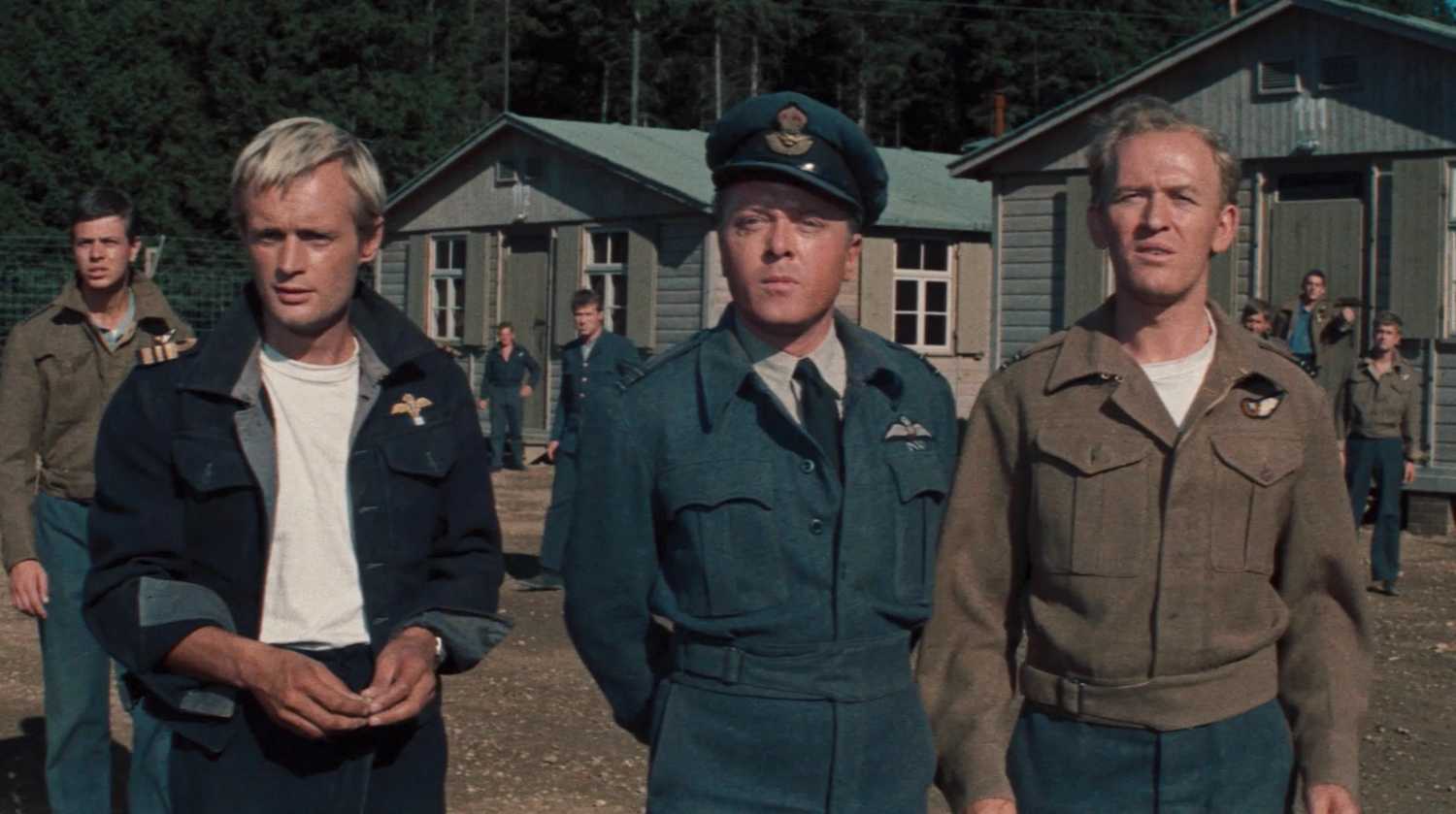
Characters such as Hendley, played by James Garner, Bartlett, played by Richard Attenborough, and MacDonald, played by Pleasence, gradually develop trust as they work together. Their relationships give the enormous ensemble a sense of cohesion while keeping the central plan easy to follow.
The construction of the tunnels is deliberately presented as slow, physical work. Digging, concealing evidence, organizing supplies, and coordinating dozens of prisoners all become part of the suspense. Sturges allows the audience to understand how much effort is required before anyone can even think about reaching the outside.
That careful buildup makes the eventual escape especially effective.

The Motorcycle Chase Became the Iconic Moment
The escape itself is among the film’s most tense sequences, but its reputation is closely tied to McQueen’s famous motorcycle ride toward the Swiss border.
The stunt has become arguably the defining image of The Great Escape, even though it has little connection to the historical events on which the film is based. McQueen reportedly made performing the motorcycle sequence a condition of appearing in the movie in the first place.
That helps explain why Hilts dominates the film’s popular image. McQueen combines the character’s rebellious personality with the physical spectacle of the motorcycle sequence, creating a hero who feels perfectly suited to the Hollywood version of the story.
Yet the motorcycle chase is only one part of what makes the film work. The more quietly constructed sections, particularly the prisoners’ preparations and their efforts to protect the escape plan, provide much of the movie’s lasting suspense.
Why The Great Escape Still Holds Up
More than six decades after its release, The Great Escape remains a standout World War II film and one of the strongest prison-break movies ever made.
Its strength comes partly from the way it balances a huge cast with a tightly organized story. Nearly every major character has a job to perform, and the audience becomes invested in whether those individual efforts will ultimately succeed.
The movie also understands the value of withholding information. The prisoners must protect the details of their plan, and watching them maintain that secrecy becomes almost as compelling as the physical escape itself.
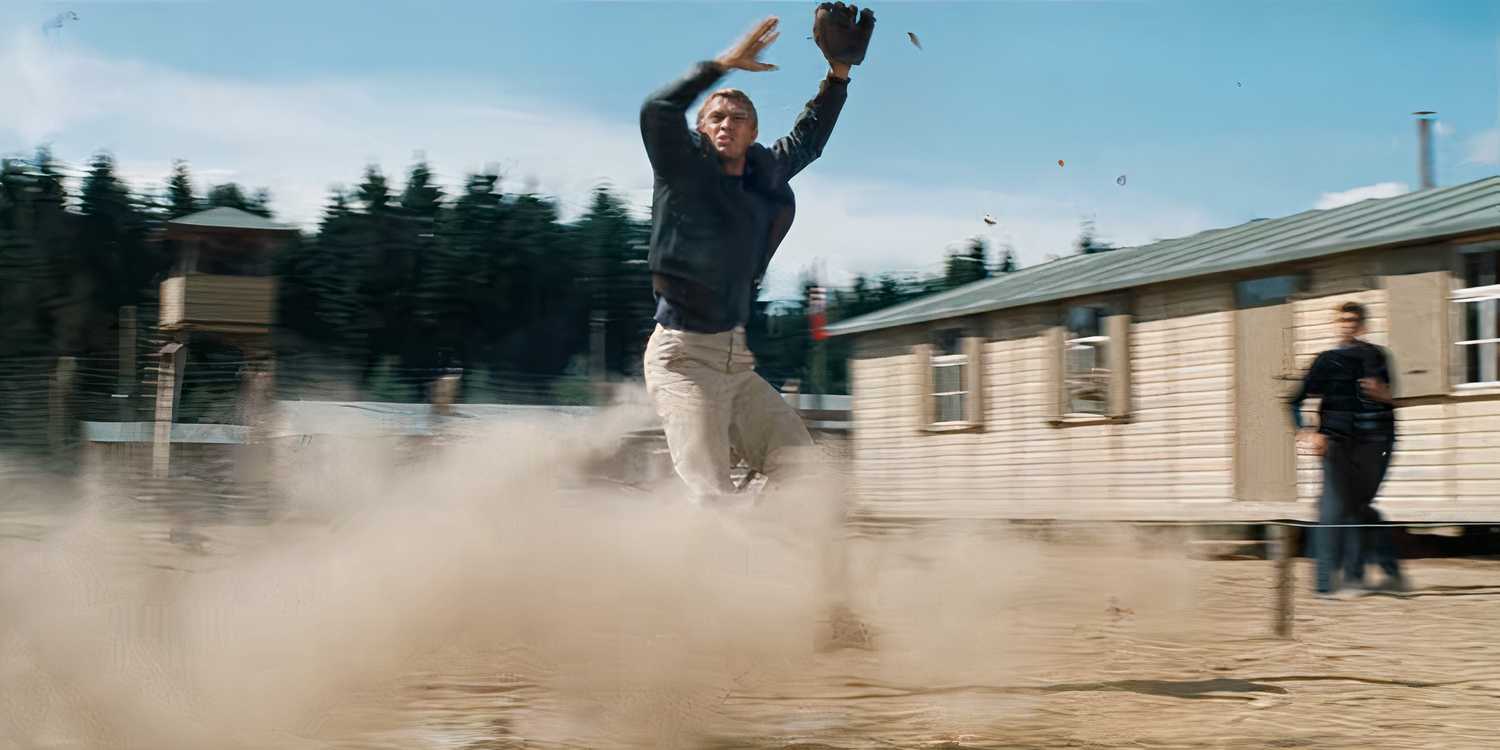
That combination of dialogue, character interaction, meticulous preparation, and action clearly left an impression on Tarantino. The connection is particularly direct in his 2019 film Once Upon a Time… in Hollywood, where he famously restaged a scene from The Great Escape through the character of Rick Dalton, played by Leonardo DiCaprio.
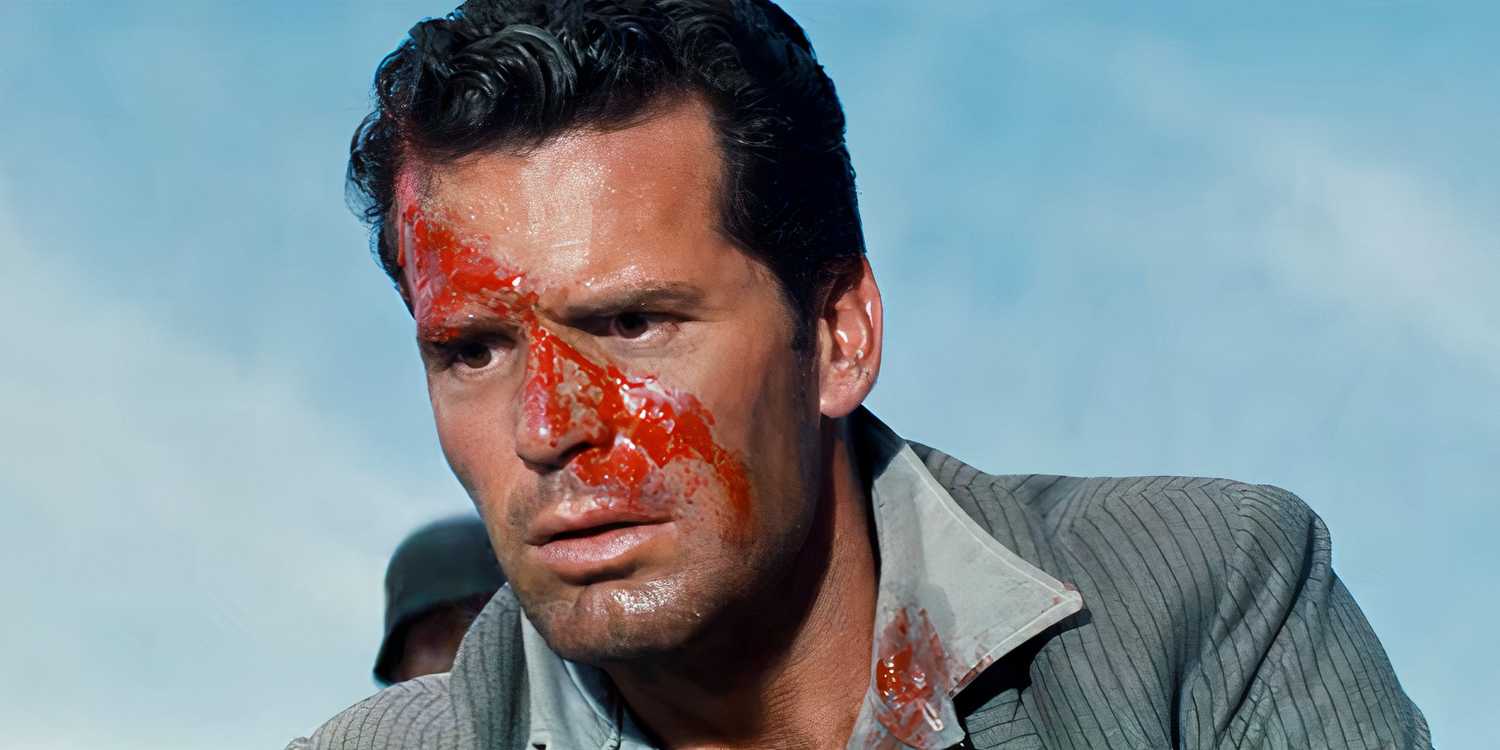
For all of its Hollywood inventions, The Great Escape eventually returns to the grim reality behind the story. The conclusion is dark and bittersweet, honoring both the prisoners who escaped and those who lost their lives.
That final shift gives the movie a weight that goes beyond its spectacular set pieces. What begins as an enormously entertaining adventure ultimately becomes a tribute to the real people and events that inspired it.
It is easy to understand why Tarantino holds the film in such high regard. The Great Escape delivers suspense, memorable performances, large-scale action, and a meticulously constructed escape story, while still retaining a connection to the painful history at its center.