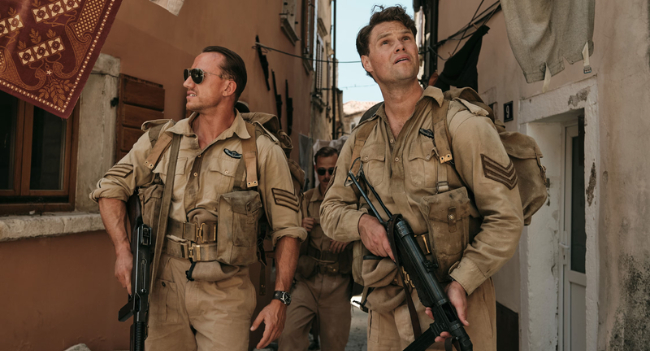
Peaky Blinders Creator’s Underrated WWII Drama Deserves More Attention – SAS: Rogue Heroes Shows the Brutal Origins of an Elite Fighting Force
They drink, fight, ignore orders and sometimes appear to enjoy violence far more than military discipline would allow. Yet these are the men tasked with creating one of the most famous special forces units in the world.
That contradiction is at the heart of SAS: Rogue Heroes, the gritty Second World War drama from Peaky Blinders creator Steven Knight. Led by Connor Swindells, Jack O’Connell and Alfie Allen, the series tells the story of the soldiers who helped establish the Special Air Service during the North African campaign.
It has plenty of the explosive action and uncompromising characters associated with Knight’s best-known work, but its approach to heroism is considerably more complicated.
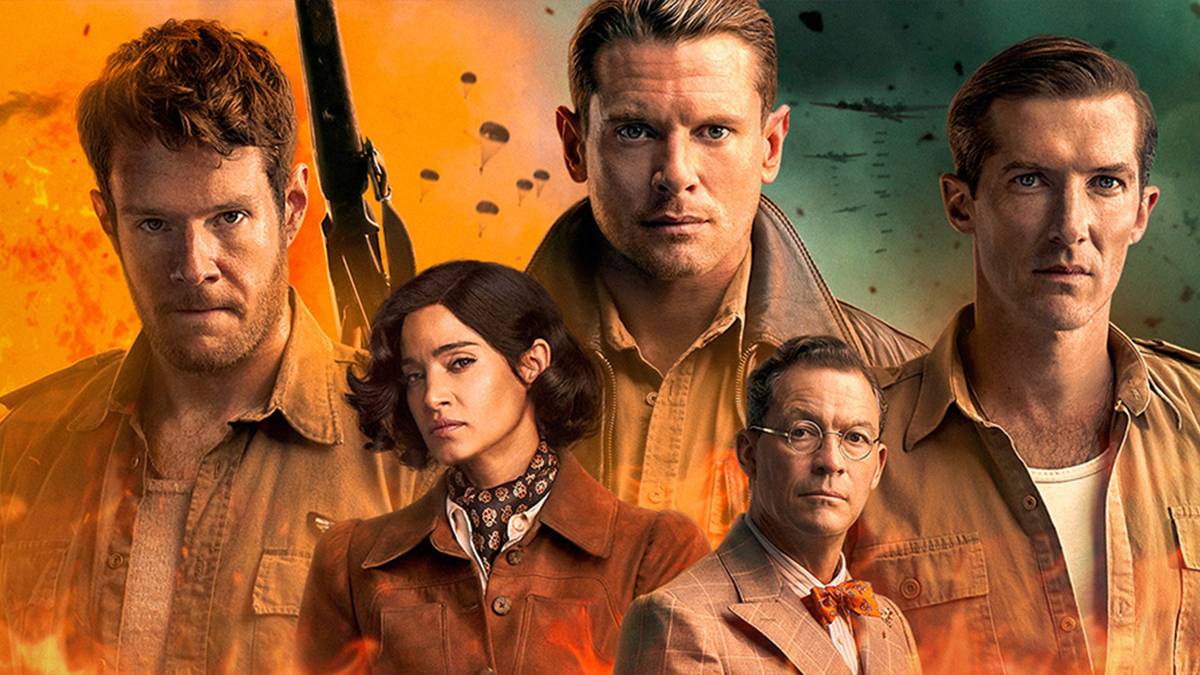
SAS: Rogue Heroes Follows the Men Who Refused to Play by the Rules
The series centres on David Stirling (Connor Swindells), a British officer determined to find a new way to strike at Nazi forces advancing across North Africa.
Frustrated by conventional military tactics, Stirling begins assembling a unit made up of soldiers with questionable disciplinary records and little patience for following orders. His idea is to send them behind enemy lines to attack German airbases and sabotage the enemy’s operations.
The plan eventually becomes the foundation of the SAS.
But the men recruited for the job are hardly conventional heroes. Paddy Mayne (Jack O’Connell) is particularly bloodthirsty, while Jock Lewes (Alfie Allen) brings a more disciplined, determined approach to the group’s increasingly dangerous ambitions.
Their personalities make for an unpredictable combination. Stirling supplies the vision, Mayne brings an almost frightening appetite for combat, and Lewes provides the structure needed to turn their unconventional operation into something resembling a military force.
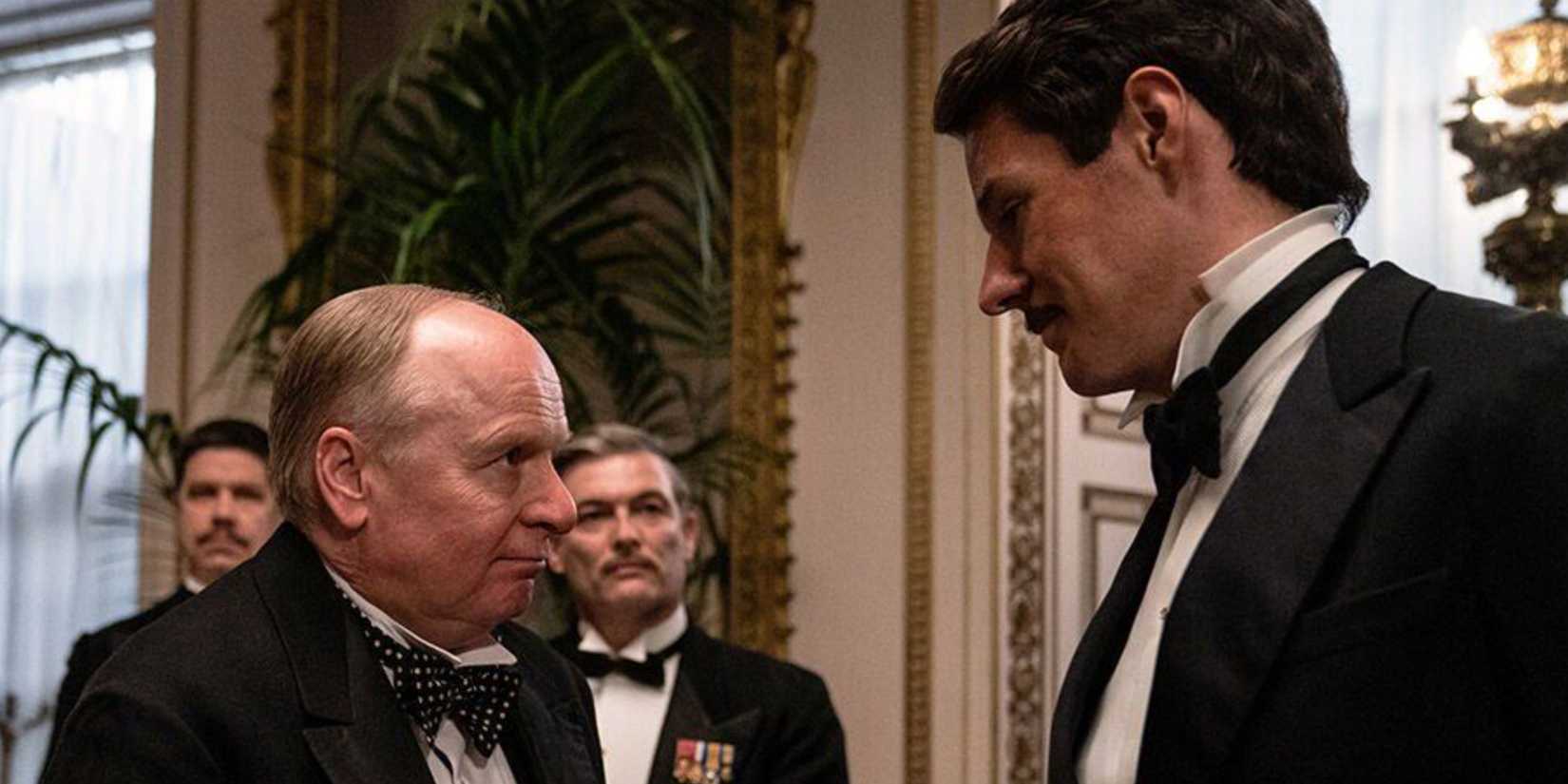
The Series Makes Its Soldiers Difficult to Admire – Even When They Fight the Nazis
One of the most interesting aspects of SAS: Rogue Heroes is how it handles the morality of its central characters.
The men are fighting Nazi Germany, an enemy viewers have little difficulty wanting to see defeated. Yet the series does not present every action taken by the SAS soldiers as automatically admirable.
Some of their attacks are depicted as brutally violent, including raids on bases where enemy soldiers are caught unprepared and unarmed. Mayne, in particular, appears to take considerable pleasure in the violence.
That creates an uncomfortable contrast. The soldiers are celebrated for their contribution to the war, but their individual behaviour can be difficult to reconcile with the idea of traditional heroism.
Knight also draws an interesting distinction between these men and the Shelby family in Peaky Blinders. Tommy (Cillian Murphy), Arthur (Paul Anderson) and John Shelby (Joe Cole) are gangsters, but their experiences as war veterans help explain their trauma and their search for purpose in a criminal world.
In Rogue Heroes, the soldiers are operating within a military campaign that demands extraordinary measures, but the show still leaves viewers to consider how much violence can be justified by the cause.
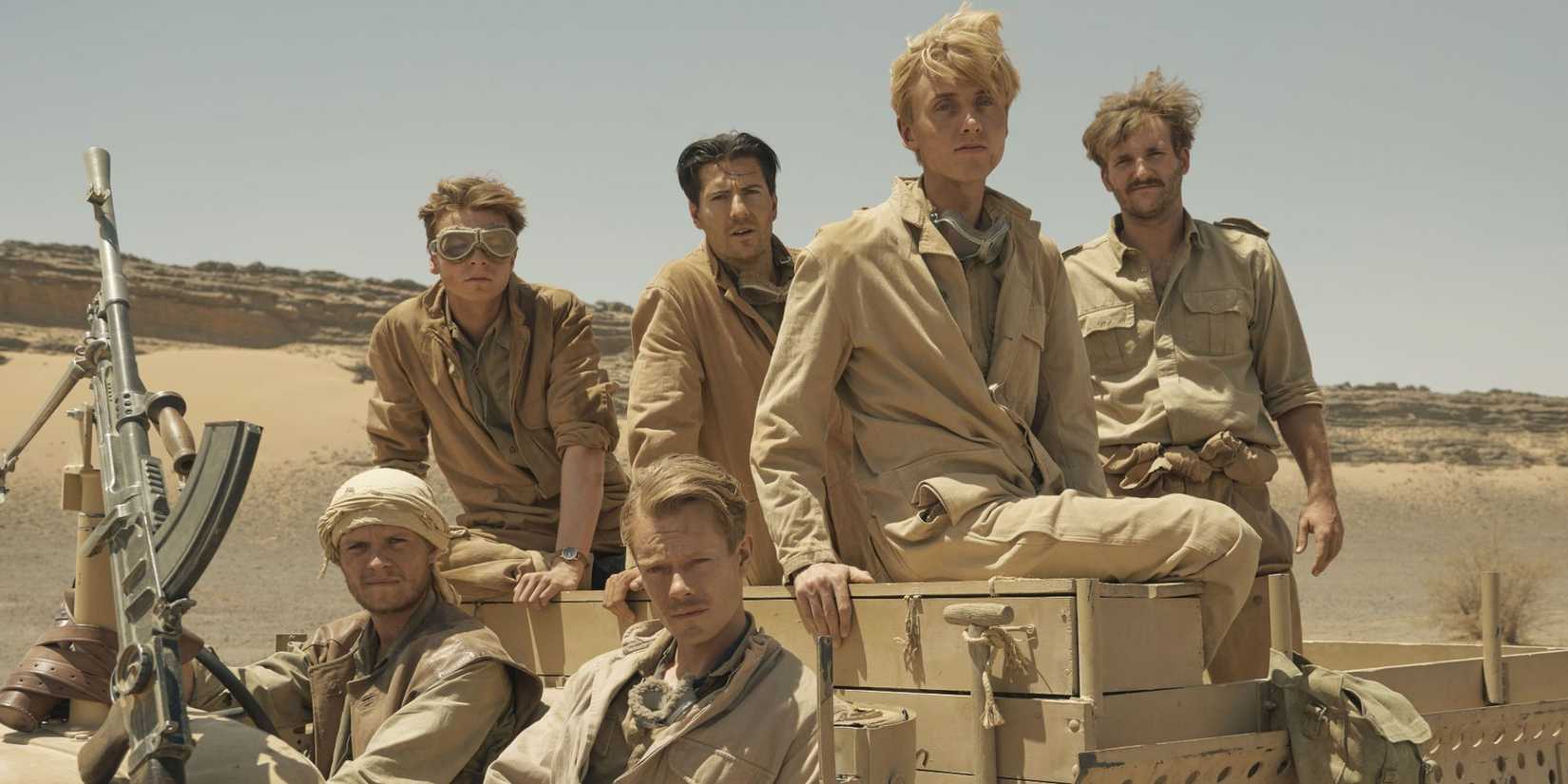
North Africa Gives Steven Knight a Completely Different Kind of Action
Where Peaky Blinders builds much of its tension around urban streets, gang rivalries and close-quarters confrontations, SAS: Rogue Heroes takes its characters into the vast deserts of North Africa.
The landscape changes the nature of the action. Instead of gunfights in crowded streets, the soldiers face fighter planes, exposed terrain and the constant danger of being caught in the open.
The early episodes establish just how unprepared the British military can be for the demands of the campaign. In one example, a reinforcement convoy has to turn back because its trucks have not been adequately fuelled for the journey.
That sense of disorganisation helps explain why Stirling believes conventional methods are not enough. His proposed raids offer a way to strike at German forces where they least expect it.
The desert setting also gives the series some of its most striking action sequences. Explosions at enemy airbases become moments of release, particularly when the alternative is allowing Nazi forces to continue advancing.
The result is a very different visual experience from Peaky Blinders, even though the same interest in violence, flawed men and moral ambiguity runs through both shows.

Alfie Allen’s Jock Lewes Is a Very Different Character From Theon Greyjoy
For viewers who remember Alfie Allen as Theon Greyjoy in Game of Thrones, his performance as Jock Lewes offers a striking change of direction.
Lewes is one of Stirling’s strongest supporters and believes the SAS project can succeed even when others lose faith. His confidence is backed by a rigid sense of discipline, and he is prepared to confront fellow soldiers when their pessimism threatens the operation.
At first, his personality seems an unlikely match for Stirling’s sarcasm and Mayne’s volatile behaviour.
But the contrast becomes one of the group’s greatest strengths. Stirling has the ambition to imagine the unit, Mayne supplies its ferocity, and Lewes keeps the operation grounded in planning and organisation.
Without Lewes’s influence, the other two might struggle to turn their chaotic ideas into a functioning force.
Allen’s commanding performance gives the character a very different energy from the troubled young man he played in Game of Thrones.
Why Peaky Blinders Fans Should Give SAS: Rogue Heroes a Chance
Peaky Blinders may be Steven Knight’s most widely recognised television series, but SAS: Rogue Heroes deserves attention in its own right.
It combines explosive wartime action with colourful characters, sharp dialogue and a willingness to explore the uncomfortable side of military heroism. Its soldiers are not polished role models, and the show does not always make their behaviour easy to defend.
That complexity is part of its appeal. Rather than simply celebrating the origins of an elite fighting force, the drama examines the unconventional personalities and brutal methods that helped bring it into existence.
For anyone who enjoys Knight’s distinctive storytelling, or wants a WWII drama that moves beyond conventional battlefield narratives, this is a series worth adding to the watchlist.
SAS: Rogue Heroes is available to stream on MGM+ in the United States.