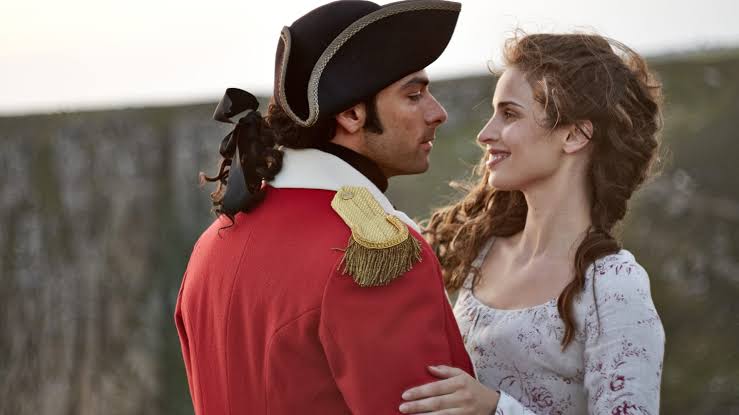
Beyond the Costume Drama: Why Winston Graham’s Poldark Remains the Definitive Cornish Epic of Class, Grit, and Passion

While modern period dramas often succumb to polite drawing-room melodrama and immaculate Regency escapism, Winston Graham’s Poldark endures because its roots are sunk deep into the salt-sprayed, economically volatile soil of late 18th-century Cornwall.
Spanning twelve novels published between 1945 and 2002—and adapted into two generation-defining television series by the BBC in the 1970s and 2010s—the saga remains a masterclass in blending intense romantic drama with rigorous, unvarnished socio-economic history.
The Landscape: Ruin, Revolution, and Economic Survival
The narrative bypasses aristocratic London parlors to confront the bleak realities of the Georgian working class, post-war trauma, and regional destitution:
-
The Prodigal’s Homecoming: British Army officer Ross Poldark returns to his ancestral home of Nampara following the American Revolutionary War. Bearing a facial scar and presumed dead by his community, he discovers his father has died in debt, the family estate has fallen into dereliction, and his childhood sweetheart, Elizabeth Chynoweth, is days away from marrying his cousin, Francis Poldark.
-
The Industrial Struggle: Rather than selling off his heritage or retreating into bitter aristocratic leisure, Ross sets out to revive the dormant family copper mines (Wheal Leisure and Wheal Grace). His ventures place him on the side of starving tin miners, fishermen, and tenant farmers against a predatory banking system.
-
The Rise of Nouveau-Riche Capital: The primary antagonist is not an idle duke, but George Warleggan—a cold, ruthlessly ambitious banker whose family amassed wealth through commerce rather than noble lineage, setting off decades of bitter class warfare with the landed but cash-strapped Poldark family.
The Core Dynamic: Ross Poldark & Demelza Carne
At the center of Graham’s narrative is an unconventional, deeply transformative partnership that defies the strict social hierarchy of the era:
-
From Street Urchin to Mistress of Nampara: Ross intervenes at a Redruth fair to save Demelza Carne, an impoverished, beaten miner’s daughter, bringing her home initially as a scullery maid.
-
A Transgressive Union: As Demelza matures, their shared bond evolves from employer-ward domesticity into an authentic, tempestuous marriage that scandalizes the local gentry.
-
The Anchor of the Narrative: While Ross is frequently impulsive, prone to brooding recklessness, and crippled by stubborn pride, Demelza emerges as the saga’s emotional compass—wielding fierce practical intelligence, warmth, and resilience that hold their family and community together.
Core Characters & Conflict Dynamics
| Character | Social Station | Narrative Profile & Thematic Arc |
| Ross Poldark | Landed Gentry / Ex-Soldier | A fiercely principled yet deeply flawed rebel; constantly bridges the divide between the ruling class and the working poor. |
| Demelza Carne | Working-Class Maid / Gentry Wife | Rises from absolute squalor to become the heartbeat of Nampara; balances Ross’s erratic idealism with grounded pragmatism. |
| George Warleggan | Nouveau-Riche Banker | The symbol of emerging unbridled capitalism; driven by an obsessive need to destroy Ross and claim social legitimacy. |
| Elizabeth Chynoweth | Traditional Aristocrat | Caught between economic security and genuine passion; her enduring hold over Ross fuels decades of marital tension. |
| Francis Poldark | Heir of Trenwith | Ross’s insecure, tragic cousin whose jealousy and financial missteps make him vulnerable to Warleggan exploitation. |
Literary & Screen Legacy: Authenticity Over Period Gloss
-
Winston Graham’s Grounded Realism: Graham lived in Perranporth, Cornwall, for decades, researching primary records, court logs, and mining reports. The novels capture authentic dialect, smoldering local radicalism, and the devastating impact of grain riots, typhus epidemics, and mine flooding.
-
The 1970s Cultural Milestone: The original BBC television adaptation (1975–1977), starring Robin Ellis and Angharad Rees, was a massive international phenomenon, famously emptying church congregations across the UK on Sunday evenings.
-
The 2015 Modern Benchmark: The revitalized adaptation starring Aidan Turner and Eleanor Tomlinson re-energized the property for a 21st-century audience, celebrated for its sweeping coastal cinematography, visceral physical labor, and authentic moral stakes.
Far from a tidy costume romance, Poldark remains an enduring literary and dramatic milestone because it treats human struggle with dignity—illustrating that true integrity lies in defending the vulnerable and carving out hope amidst economic and personal ruin.