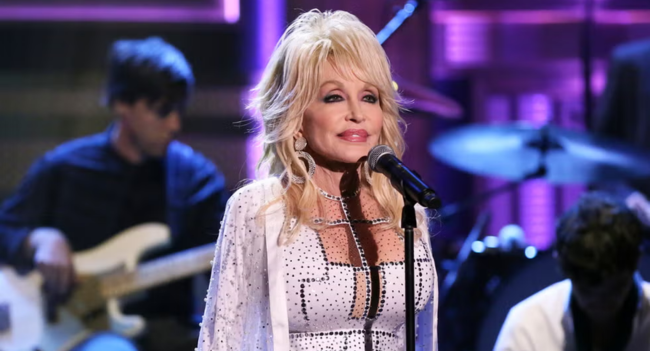
Dolly Parton Had Planned Her Final Goodbye — And Asked Her Nephew to Deliver the News
Dolly Parton had thought carefully about the day her extraordinary life would come to an end. Long before her death at the age of 80, the country music icon had asked her nephew, Bryan Seaver, to be the person who would announce her passing when the time came.
That painful moment arrived on August 25, 2026.
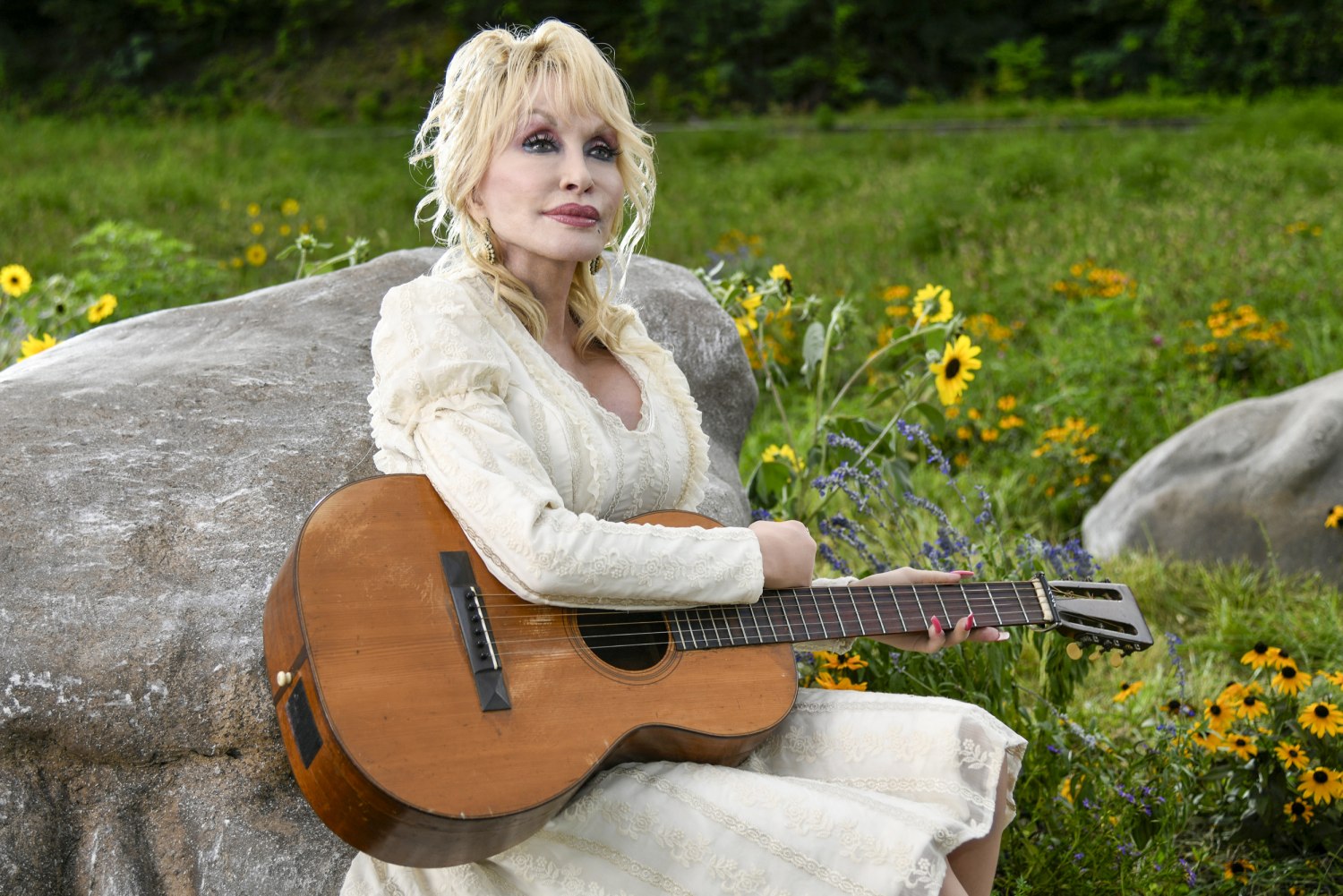
Seaver, the son of Dolly’s sister Cassie Parton and her longtime head of security, shared the news in an emotional video posted to Dolly’s social media accounts. He revealed that his aunt had made the request years earlier, long before he could fully imagine what it would mean to carry it out.
The announcement came as fans around the world mourned one of the most recognisable figures in country music. Dolly died in Nashville at 80 after a brief battle with cancer.
Dolly wanted a private farewell
Details of Dolly’s funeral plans revealed another side of the woman known for rhinestones, towering blonde hair, colourful outfits and an unmistakably larger-than-life personality.
Her final wishes were notably understated.
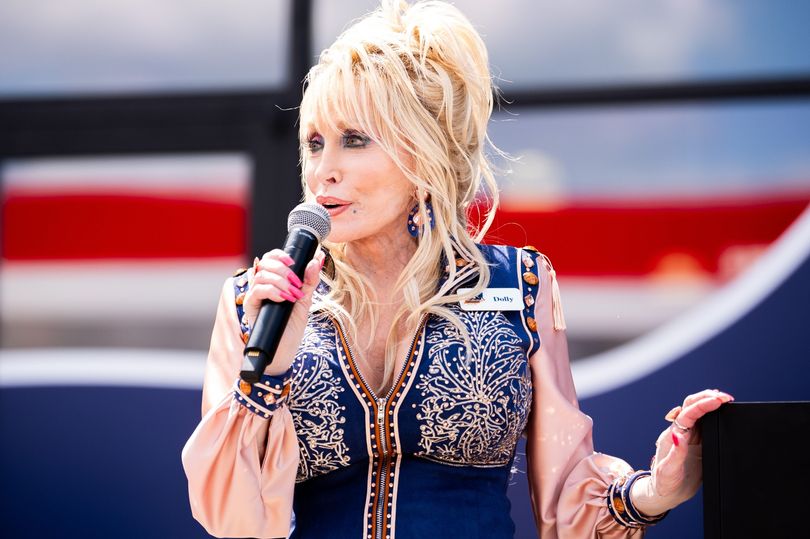
Her team confirmed that, at Dolly’s request, a small and private service would be held for immediate family. Rather than flowers, the family asked fans and friends to honour her by sharing tributes on social media or leaving messages through her official website.
They also asked that donations be made to Dolly Parton’s Imagination Library in lieu of flowers.
The decision was fitting for an artist whose influence extended far beyond music. The private farewell reflected Dolly’s wish for her final arrangements to remain focused on family, while the request for donations directed attention toward one of the causes closest to her heart.
The nephew chosen to break the heartbreaking news
For Bryan Seaver, delivering the announcement was both a responsibility and a deeply personal honour.
In his video message, he explained that Dolly had asked him years ago to make the announcement when she died. Seaver had spent more than two decades working as her head of security, following his father Larry in the role.
He said he had imagined the weight of the moment, but had never truly understood what it would feel like until it became reality.
Seaver spoke not only as Dolly’s nephew, but as a member of the family who had watched her career and legacy unfold from close range.

He recalled first travelling with Dolly as a child and getting an early glimpse of life on the road in the early 1980s. In his tribute, he described how Dolly’s success opened opportunities for members of her own family, while her example also inspired generations of singers, songwriters, musicians and aspiring performers around the world.
His message carried both grief and gratitude. He portrayed Dolly as someone who spent her life opening doors for other people and making them believe that possibilities were greater than they imagined.
He also reflected on the extraordinary relationship Dolly had built with her audience. For generations of fans, she had become a familiar presence through television, records, CDs and, eventually, digital playlists.
A simple wish after a life of rhinestones
One of the most personal details in Seaver’s tribute concerned the way Dolly wanted to rest.
He recalled that she had once told him she wanted to be laid to rest in a soft bed of plush cotton. After a lifetime of performing in heavy rhinestones and elaborate costumes, Dolly wanted comfort and rest when the spotlight finally disappeared.
It was a remarkably simple image for a woman whose public persona had always been anything but understated.
Seaver ended his message by remembering Dolly as a beloved aunt, grandmother and great-aunt, while offering a final blessing for the woman who had been such a defining presence in his family’s life.
A six-decade career that changed country music
Dolly’s death marked the end of a career that stretched across more than six decades and reached far beyond country music.
She sold more than 100 million records worldwide and became one of the most prolific songwriters in popular music, writing more than 3,000 songs during her career.
Among the best-known were “Jolene,” “9 to 5” and “I Will Always Love You,” songs that became cultural landmarks in their own right.
Her influence also extended into film, television and business. She founded Dollywood, the Tennessee theme park that became another major part of her public legacy.
Yet perhaps the most enduring part of Dolly’s work had little to do with fame or entertainment.
The legacy behind Imagination Library
Dolly launched the Imagination Library in 1995, inspired by her father, Robert Lee Parton, who could not read or write.
What began as a literacy initiative grew into an international programme providing free books to children. By the time of Dolly’s death, the programme had distributed more than 270 million books worldwide.
That philanthropic work became inseparable from Dolly’s wider legacy. She used the enormous platform created by her music career to support children and encourage reading, turning a deeply personal family experience into a programme that reached millions.
Her career may have been built on songs, performances and unforgettable appearances, but her influence ultimately stretched much further.
Dolly Parton leaves behind music that has crossed generations, a business empire bearing her name and a philanthropic legacy that will continue reaching children around the world.
And in the final arrangements she planned herself, she ensured that even her farewell would reflect the values that had shaped her life: family, simplicity, faith and giving something back.