Congratulations!
You've earned 1 point
Keith Emerson Tried To Get A Moog For Free — The £4,000 Purchase That Followed Helped Transform The Sound Of Rock
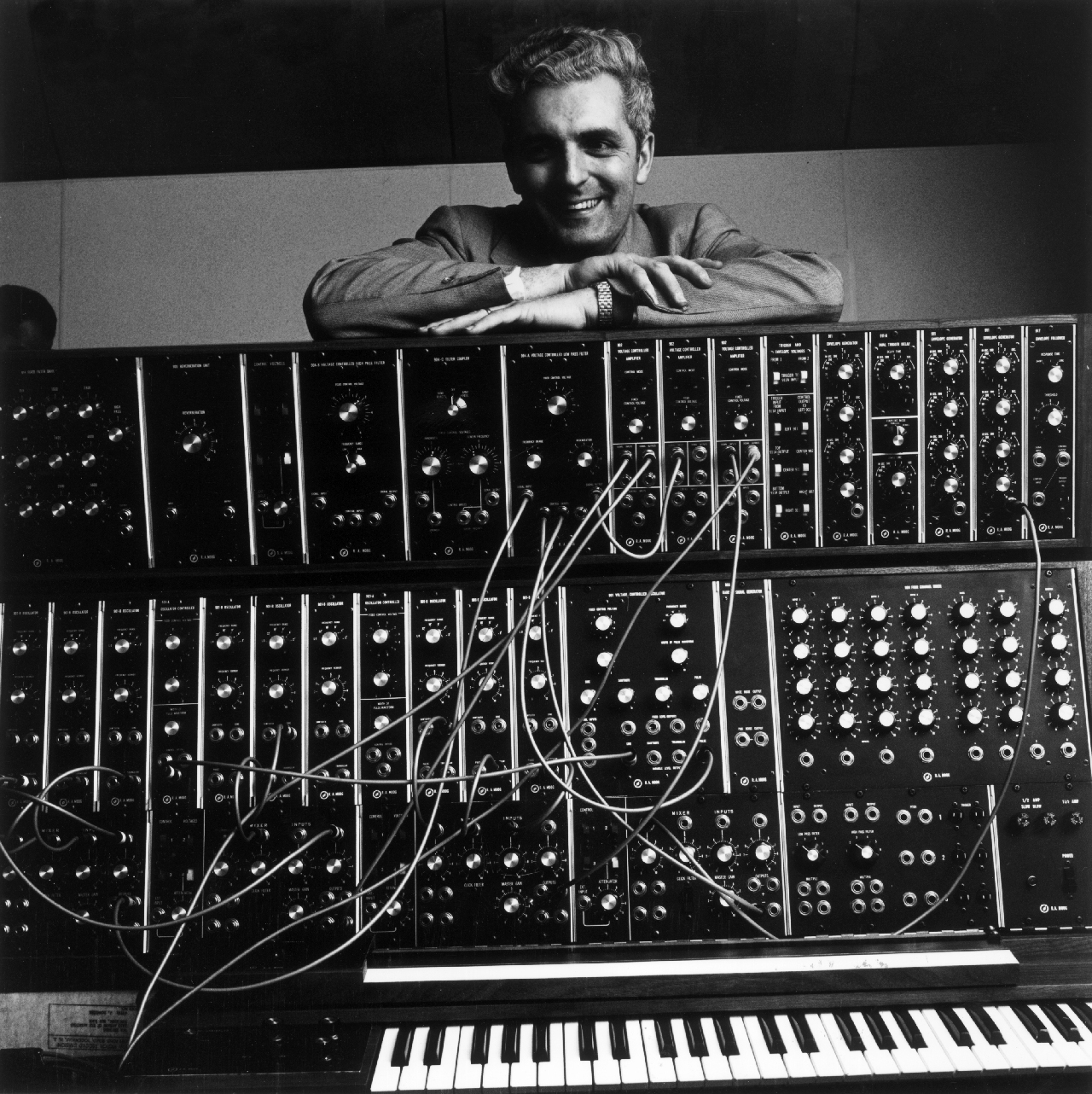
Long before synthesizers became a familiar sight on rock stages, Keith Emerson was willing to make an enormous financial gamble on an instrument that even its manufacturer warned was not really designed for live performance.
The legendary keyboardist’s relationship with Moog began with an audacious request. While preparing to form Emerson, Lake & Palmer and record the band’s debut album in 1970, Emerson contacted the company behind the pioneering synthesizer with a proposition: give him one for free, and he would promote and endorse it.
The answer was not quite what he hoped for.
Moog pointed out that the Rolling Stones had paid for theirs. The Beatles had paid for theirs too. There was therefore little reason, the company suggested, why Emerson shouldn’t do exactly the same.
He did — and the expensive decision would eventually become an important part of progressive rock history.
Emerson Wanted A Sound That Keyboards Had Never Had Before
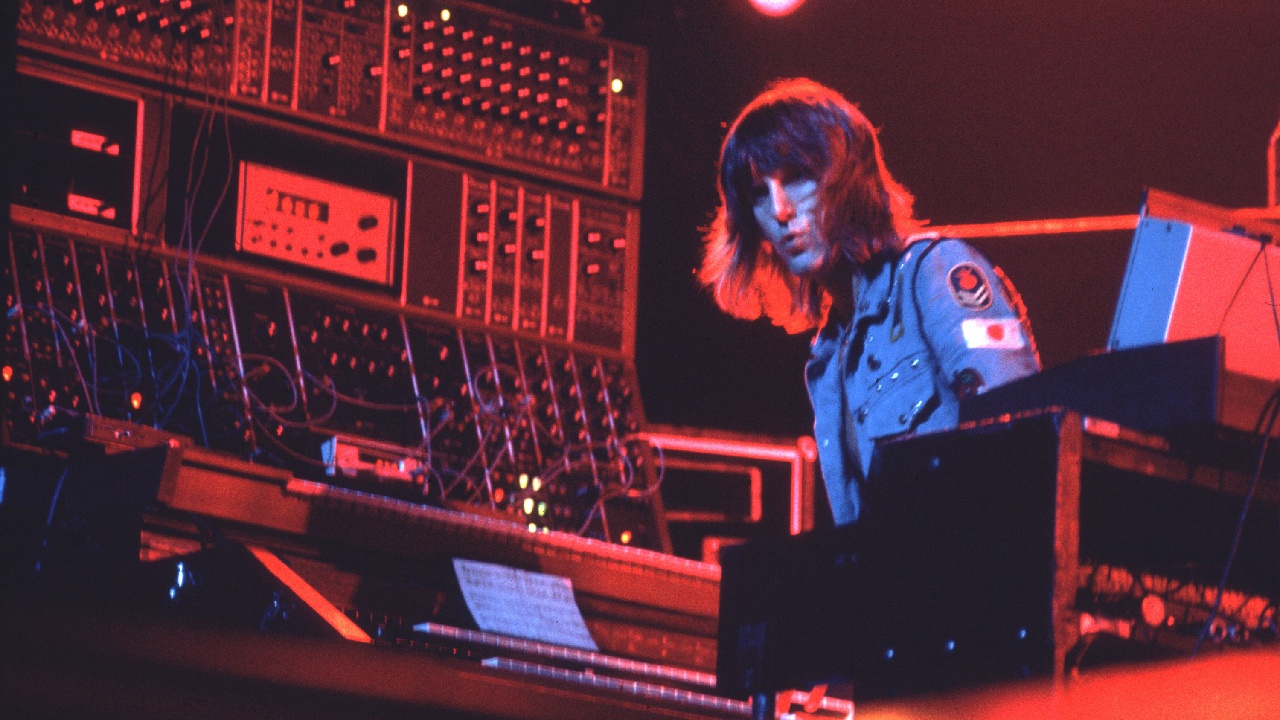
The Moog synthesizer had first appeared in 1964, developed by American engineer Robert Moog at a time when electronic music technology was beginning to expand rapidly.
Its profile grew considerably during the second half of the decade, particularly after Wendy Carlos released Switched-On Bach. Soon, musicians were becoming fascinated by the strange and remarkably flexible sounds the new technology could produce.
There was one major obstacle: Moog synthesizers were expensive. That did not stop Emerson.
By 1970, he was preparing for the beginning of Emerson, Lake & Palmer and believed the instrument could open an entirely new musical direction.
“I thought, ‘I really need one of these,’” Emerson recalled in 2014. His solution was initially straightforward: ask Moog to provide one.
Emerson remembered contacting the company and offering to endorse and promote the instrument in exchange for receiving it free of charge. Moog declined.
According to Emerson, the response also contained a warning. The synthesizer was not generally recommended for live stage performances.
Then came the line that made the rejection particularly memorable: if the Rolling Stones and The Beatles had paid for their Moogs, there was no obvious reason Emerson should receive his for nothing.
A £4,000 Gamble His Bandmates Didn’t Necessarily Love

Faced with the rejection, Emerson decided he wanted the synthesizer badly enough to buy it himself.
His Moog Synthesizer Model I-CA was custom-shipped on July 10, 1970. The price was approximately £4,000.
That was an extraordinary amount of money at the time — equivalent to roughly £55,000 today.
Emerson later admitted that his new bandmates were not necessarily enthusiastic about the size of the investment.
“It was a lot of money,” he recalled, adding that he didn’t believe the rest of Emerson, Lake & Palmer were particularly thrilled.
But Emerson remained convinced he had made the right choice.
For him, the Moog was more than another keyboard. It represented an entirely different way of thinking about what a keyboard player could contribute to a rock band.
“It did define the new way of sound,” he later explained. “It opened up the possibilities of keyboards.”
And those possibilities would become central to Emerson’s musical identity.
The Moog Helped Put Keyboard Players At The Front
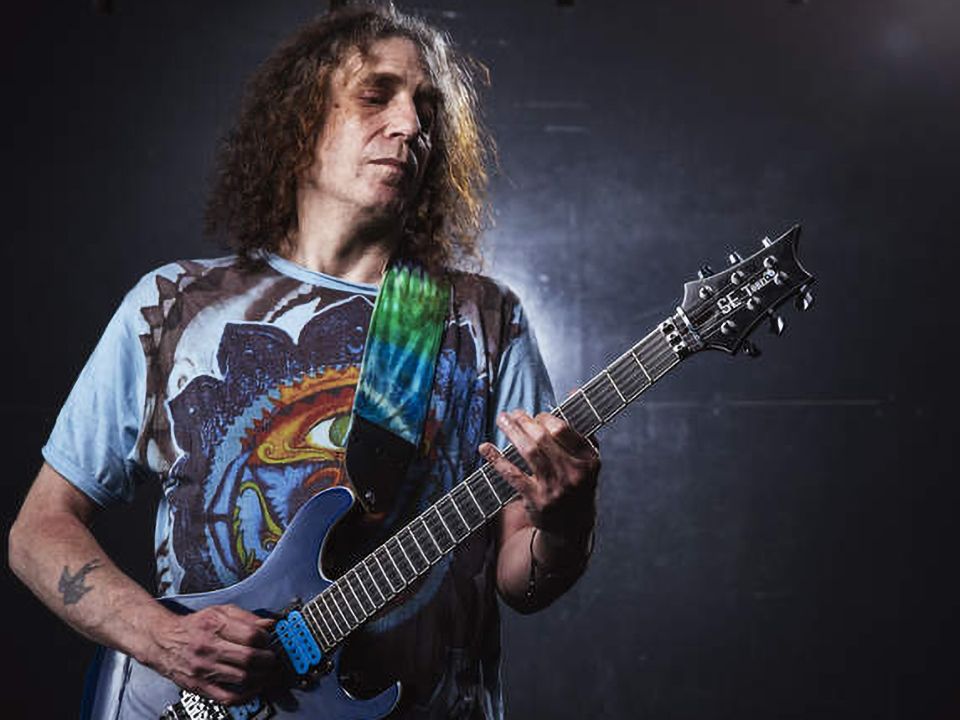
Before synthesizers such as the Moog became widely used, keyboard players in rock bands often occupied a very different musical position from guitarists.
Organs, pianos and Mellotrons were important, but competing with the sheer volume and aggression of an amplified electric guitar could be difficult.
The Moog changed that equation.
Frost* keyboardist Jem Godfrey later described Robert Moog as one of the figures who fundamentally transformed the role of keyboard players.
With instruments such as the Minimoog, musicians could manipulate pitch, bend notes, alter tones and push sounds into far more aggressive territory. Suddenly, the keyboard was capable of functioning almost like a lead guitar.
More importantly, it could compete with one.
For performers such as Emerson, that was revolutionary.
Instead of remaining physically and musically behind the rest of the band, keyboardists could become commanding stage performers in their own right.
Emerson embraced that opportunity perhaps more dramatically than almost anyone.
Rick Wakeman Remembered The Same Revolution
Yes keyboard legend Rick Wakeman has also spoken about the enormous difference Moog technology made.
Before powerful synthesizers arrived, Wakeman recalled, keyboard solos often required guitarists and the rest of a band to reduce their volume.
Then Robert Moog changed everything.
Wakeman described the synthesizer as an instrument powerful enough to “cut through concrete,” while praising Emerson for recognizing and exploiting its possibilities.
That combination — Moog’s technological innovation and Emerson’s fearless approach to performance — helped establish a template followed by generations of progressive-rock keyboardists.
The relationship between Emerson and Moog may therefore have started with a rejected request for a free instrument, but both men ultimately benefited from what followed.
Moog had one of rock music’s most flamboyant keyboardists demonstrating what his technology could accomplish.
Emerson had an instrument capable of matching the ambition of the music he wanted to create.
Emerson’s Enthusiasm Even Got Him Into Trouble
Emerson was so convinced by the possibilities of synthesizers that his enthusiasm eventually caused controversy.
After beginning to use the Moog, he told Melody Maker that the instrument could replace most members of a classical orchestra.
It was not a statement everyone appreciated.
Emerson later recalled that the remark landed him in serious trouble with the Musicians’ Union and resulted in him being banned for a period.
Yet his provocative prediction reflected just how extraordinary the technology appeared at the beginning of the 1970s.
Electronic instruments were no longer simply studio curiosities. In the hands of musicians such as Emerson, they were becoming powerful live instruments capable of reshaping the vocabulary of rock music.
A Rejection That Became Part Of Prog History
Looking back, the original £4,000 price tag seems almost insignificant compared with the musical influence that followed.
Emerson became one of progressive rock’s defining keyboard players, while Robert Moog’s inventions helped fundamentally change the relationship between electronic instruments and popular music.
Their influence extended far beyond Emerson, Lake & Palmer.
The synthesizer eventually became indispensable across progressive rock, pop, electronic music and countless other genres, while the idea of a keyboardist commanding the front of a stage became entirely normal.
It makes Emerson’s original exchange with Moog particularly fitting.
He wanted the company to give him an instrument because he believed he could help promote it.
Moog effectively told him that if The Beatles and the Rolling Stones could pay, so could he.
Emerson reluctantly opened his wallet. Rock music got something considerably more valuable in return.