The Familiar True-Crime Template
:max_bytes(150000):strip_icc():focal(739x261:741x263)/Mackenzie-Shirilla-car-1-011325-3ac6053ade184583a60efc2d2ea3161f.jpg)
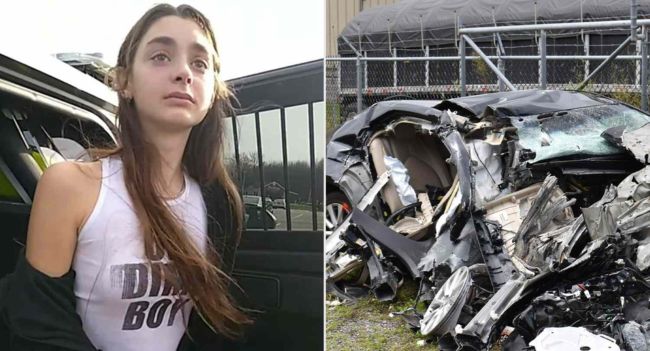
This week, Netflix expands its true-crime catalog with The Crash, a documentary that fits the streaming giant’s established production template perfectly. Directed by Gareth Johnson—known for his work on Shark Week and true-crime series like The Puppet Master—the film reconstructs an awful tragedy from 2023. A judge determined that 17-year-old Mackenzie Shirilla intentionally crashed her vehicle at a brutal speed, killing her boyfriend Dominic Russo and their friend Davion Flanagan. Consequently, she received two concurrent sentences of 15 years to life. Johnson structures the film into a strict three-act formula: a journalistic investigation of the crime, a psychological look at the perpetrator, and a final, heavily anticipated prison interview.
 The Anatomy of a Tragedy
The narrative begins in Strongsville, Ohio, at roughly 5:30 a.m. on July 31, 2022. Utilizing police bodycam footage and forensic evidence, the documentary illustrates how Mackenzie executed a normal right turn before stomping the gas pedal to the floor, reaching nearly 100 miles per hour. The vehicle slammed directly into a brick building without ever engaging the brakes. While Dominic and Davion were pronounced dead at the scene, Mackenzie survived with significant injuries, later claiming a blood pressure disorder caused her to black out. The film spends its 92-minute runtime gathering principals to answer the central tagline on the poster: “Was it an accident?”

A Barrage of Social Media Voyeurism

Instead of deep investigative journalism, the second act inundates the audience with endless reams of Mackenzie’s personal selfie footage. The documentary depicts her as a wannabe model and influencer, capturing her partying, using substances, and acting as a school bully.
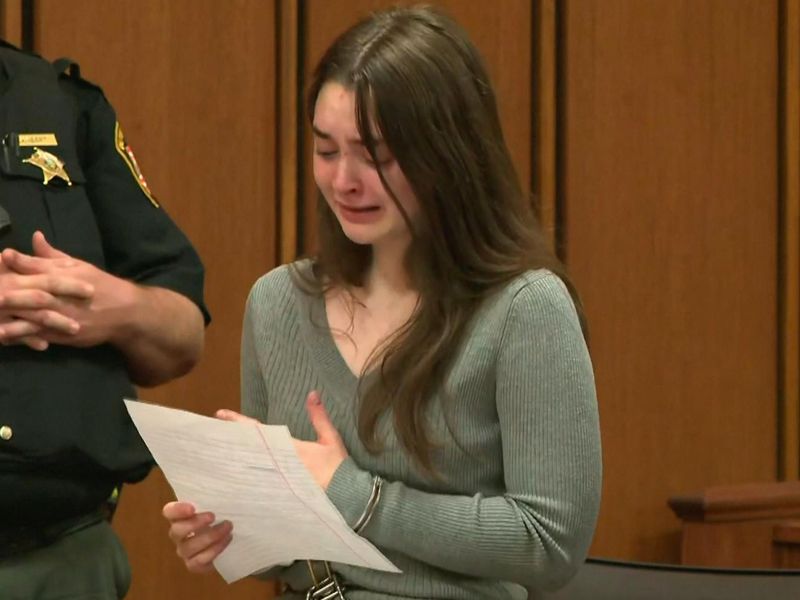
The film also highlights the controversial defense from her parents, Steve and Natalie Shirilla, who appear clueless and entirely incapable of viewing their daughter’s actions with objectivity. Rather than exploring her character, director Johnson uses these heavily orchestrated social media poses as a narrative crutch, building toward third-act reveals designed more to make jaws drop than to provide real insight.
Journalism versus Exploitation

Ultimately, The Crash operates on a 50/50 ratio of journalism and exploitation. While it properly honors the victims through a moving tribute to Dominic and Davion—anchored by the dignified commentary of Davion’s father, Scott Flanagan—the film remains weirdly incurious about the deeper psychological motives behind the crime. It fails to consult psychological experts or interrogate the dark role that social media validation plays in modern teenage lives.
The documentary seems content to mimic the scrolling internet commentary it was designed to generate. Because it prioritizes cinematic suspense over substantive conclusions, The Crash fails to function in the best interests of the dead or the living. Therefore, you are better off skipping this iteration of true-crime theater.