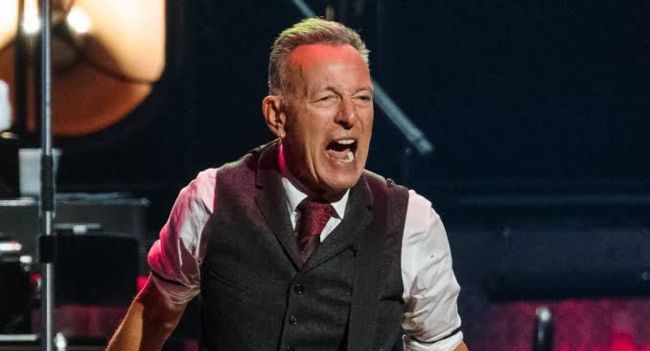
Bruce Springsteen Says He Has No Regrets Over Divisive Tour Message — Even If It Cost Him Fans: ‘That’s Just the Way the Chips Fall’
Bruce Springsteen knew the political message woven through his latest tour could alienate some longtime listeners.
He went ahead with it anyway.
Speaking to Rolling Stone as his new concert film began rolling out, Springsteen addressed the possibility that some fans may have walked away because they strongly disagreed with the political content of his Land of Hope and Dreams Tour.
His response suggested he remains comfortable with the artistic decision.
“This was the show I wanted to make, the story I wanted to tell,” Springsteen said. “I went out to find its audience.”
For the 76-year-old rocker, accepting disagreement is simply part of making the work he wants to make.
‘I’m old now and I do what I want to do’
Springsteen said the approach isn’t particularly new for him.
“Well, I’m old now and I do what I want to do, which I’ve actually always done my entire life,” he told Rolling Stone.
He explained that throughout his career, he has generally made the records he wanted to make and subsequently found an audience for them.
He approached this tour in much the same way.
Springsteen acknowledged reading strong criticism of the show’s content and recognized that some listeners were vehemently opposed to its message.
“And that’s just the way the chips fall,” he said. “And that’s OK with me right now.”
A tour deliberately built around the state of America
The political dimension wasn’t incidental to the 2026 shows.
Springsteen told Rolling Stone that he structured the set using material written across roughly 50 years, placing older songs into a new context to reflect what he described as “the state of the nation for 2026.”
The 20-show American run began in Minneapolis on March 31 and concluded in Philadelphia on May 30. Songs including “Born in the U.S.A.,” “Death to My Hometown,” “Long Walk Home” and “Youngstown” appeared alongside covers such as Edwin Starr’s “War” and Bob Dylan’s “Chimes of Freedom.”
Springsteen also used the concerts to deliver direct criticism of the current US administration. Those statements drew both support and backlash; the US President publicly responded by calling for his supporters to boycott Springsteen’s concerts.
Springsteen’s comments about the administration were his own political views, rather than factual findings about its conduct.
Springsteen says the purpose was to ‘reclaim the flag’
Springsteen also explained the symbolism he wanted behind the concerts.
“Our purpose is to reclaim the flag,” he told Rolling Stone, describing the tour as an attempt to frame familiar American imagery and songs around his own conception of patriotism and democratic ideals.
Older songs were deliberately repositioned beside newer and more overtly political material.
For Springsteen, that sequencing changed how familiar tracks could be heard.
Songs written decades earlier suddenly carried different associations when placed within a set explicitly addressing events and debates of 2026.
“If we had a goal, that was the goal,” he said of that recontextualization.
The Philadelphia finale became a concert film
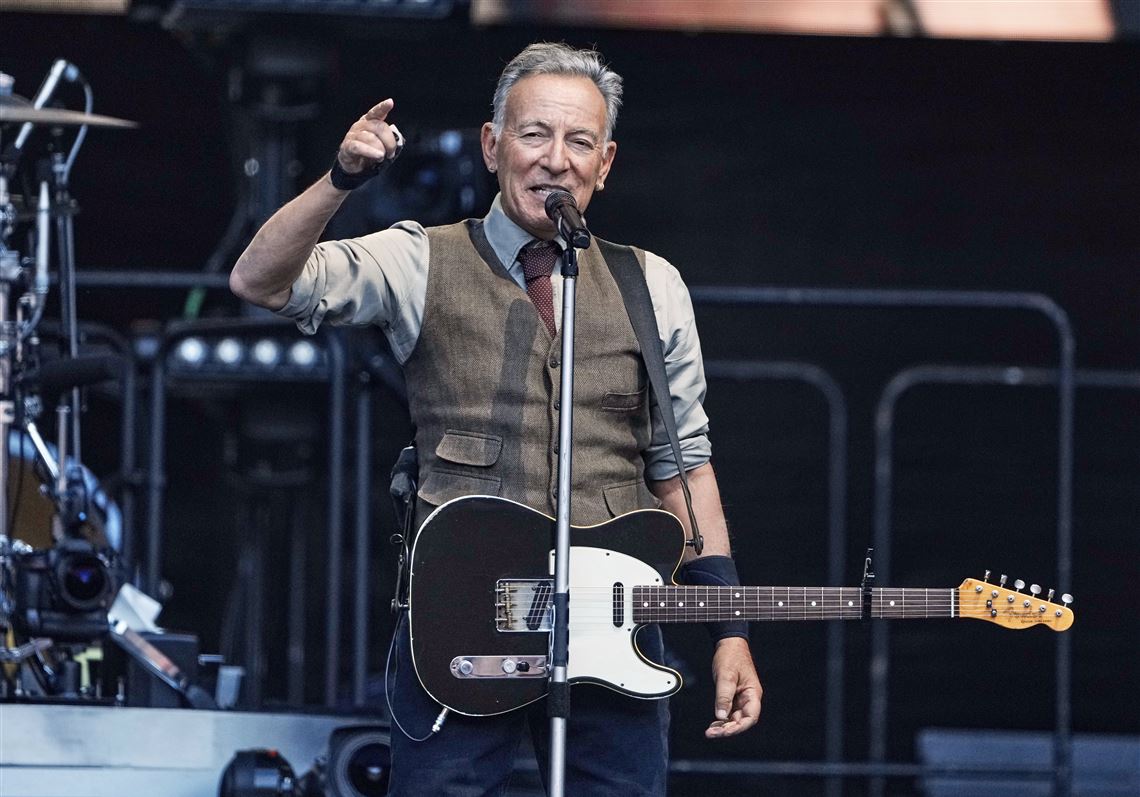
The tour’s May 30 finale at Philadelphia’s Xfinity Mobile Arena was captured for Bruce Springsteen and the E Street Band: Land of Hope and Dreams American Tour (Philadelphia Freedom Cut).
Rather than releasing the entire performance at once, Springsteen chose to unveil the film in installments.
The first installment included seven songs from the Philadelphia performance, among them “War,” “Born in the U.S.A.,” “Death to My Hometown,” “No Surrender” and “Streets of Minneapolis.”
The format allows the final show — and the ideas Springsteen constructed around it — to unfold gradually.
Losing some listeners hasn’t changed his approach
Springsteen has faced political disagreement from parts of his audience before, and during the 2026 run he repeatedly indicated that potential backlash would not determine what he said onstage.
His position in the latest interview remained consistent.
He acknowledged that some fans could strongly reject the show’s politics without suggesting that every listener had to share his views.
For Springsteen, the choice was ultimately about presenting the concert he wanted to present and allowing audiences to decide how they felt about it.
Some embraced the message.
Others strongly opposed it.
Springsteen’s response to that divide was simple: he made the show and told the story he wanted to tell — and he remains willing to accept whatever audience comes with it.