
Steven Spielberg’s Overlooked Six-Part Western Into the West Featured 250 Speaking Roles, Six Directors and a Sweeping Story Spanning 65 Years of American History
Long before Taylor Sheridan’s 1883 and 1923 brought frontier family dramas to a new generation, Steven Spielberg helped produce an ambitious Western that explored 65 years of American history. Released in 2005, Into the West featured approximately 250 speaking roles, six directors and six months of filming in the Canadian Rockies.
Executive produced by Spielberg and developed through DreamWorks Television, the six-part miniseries runs approximately 12 hours and follows two families through the transformation of the American frontier.
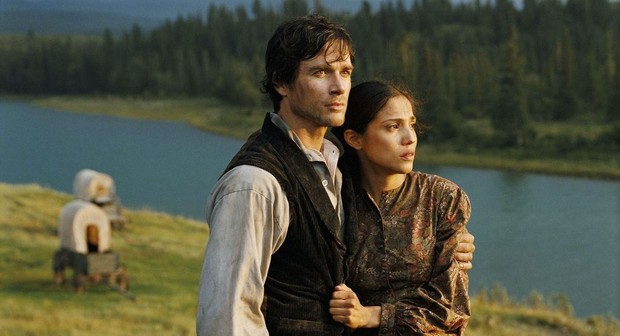
Two Families Experience the American West From Different Perspectives
Beginning in 1825 and continuing through 1890, Into the West follows the Wheeler family from Virginia as they seek opportunities in the expanding American frontier.
Their journey takes them along dangerous wagon trails, through goldfields and into communities reshaped by railroad construction.
Alongside their story, a Lakota family faces the growing arrival of settlers on ancestral lands.
Through these interconnected families, the series examines how westward expansion brought opportunity to some while causing displacement, conflict and loss to others.
Its historical backdrop includes the California Gold Rush, the American Civil War, the construction of the Transcontinental Railroad and the Wounded Knee Massacre.
An Extraordinary Cast of Hollywood and Indigenous Actors

The production assembled an enormous ensemble of approximately 250 speaking roles.
Among its Hollywood performers were Josh Brolin, Keri Russell, Sean Astin, Tom Berenger, Gary Busey, Skeet Ulrich, Keith Carradine, Beau Bridges and Christian Kane.
The Indigenous cast included Wes Studi, Russell Means, Graham Greene, Zahn McClarnon, Gil Birmingham and Tatanka Means.
Several performers later became familiar faces in modern Western television.
Birmingham went on to portray Chief Thomas Rainwater in Yellowstone, while McClarnon appeared in Westworld, Fargo and Dark Winds.
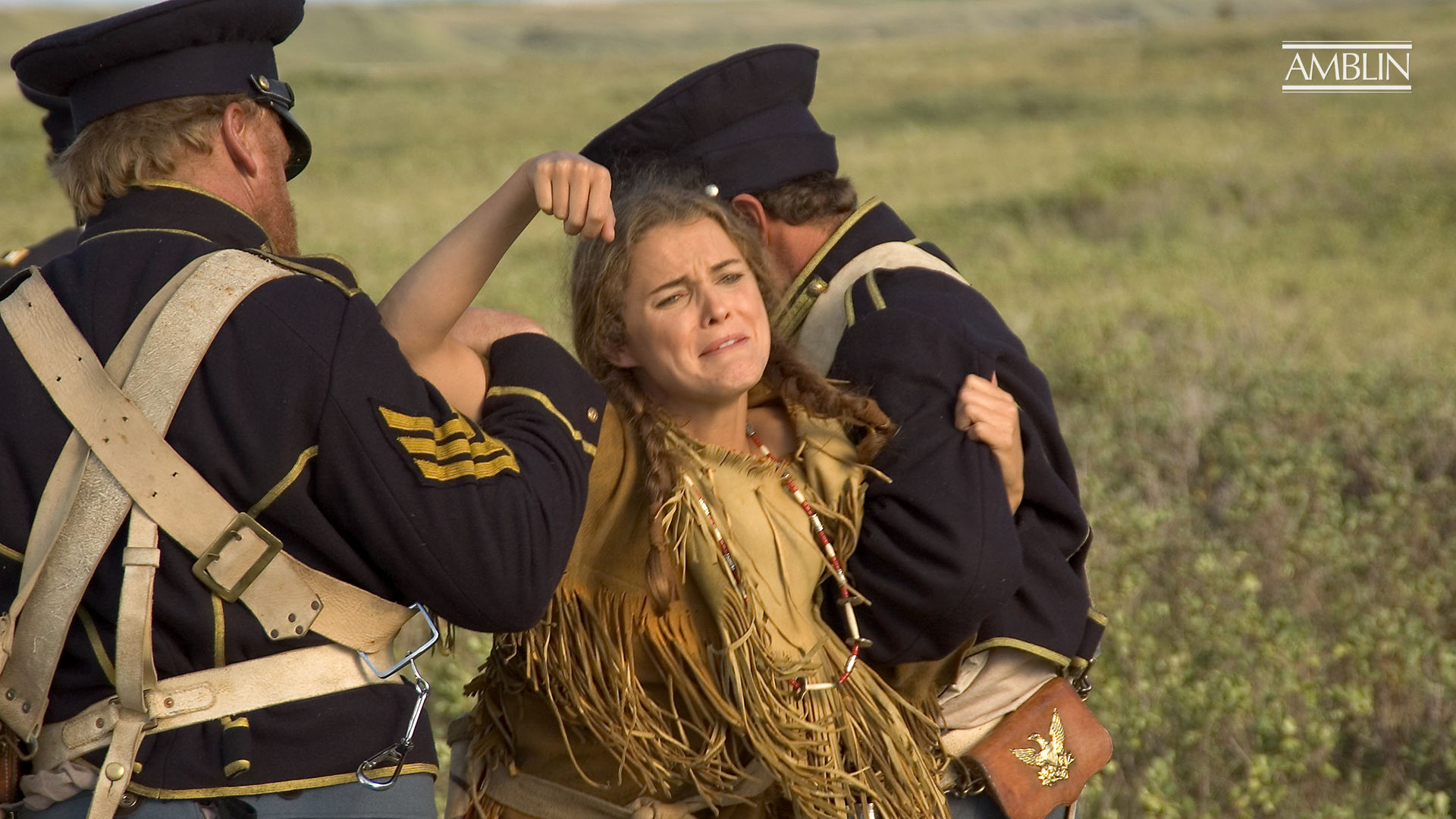
Six Directors and Six Months of Filming
Bringing the enormous historical story to television required a substantial production effort.
Six directors worked across the six feature-length episodes, with filming continuing for approximately six months in the Canadian Rockies.
The production recreated different periods of 19th-century American history, from early pioneer settlements to the conflicts that marked the closing decades of the century.
Its landscapes provided the sweeping visual scale associated with Western dramas, while the interconnected family stories gave the historical events a personal dimension.
A Western That Confronts the Cost of American Expansion
Unlike Westerns that focus primarily on adventure and frontier opportunity, Into the West also examines the suffering caused by territorial expansion.
The series addresses broken treaties, the displacement of Indigenous communities, forced assimilation and military conflict.
It also explores Lakota traditions and cultural experiences, presenting the frontier from perspectives beyond those of incoming settlers.
The contrast between the two central families highlights the complicated consequences of a changing nation.
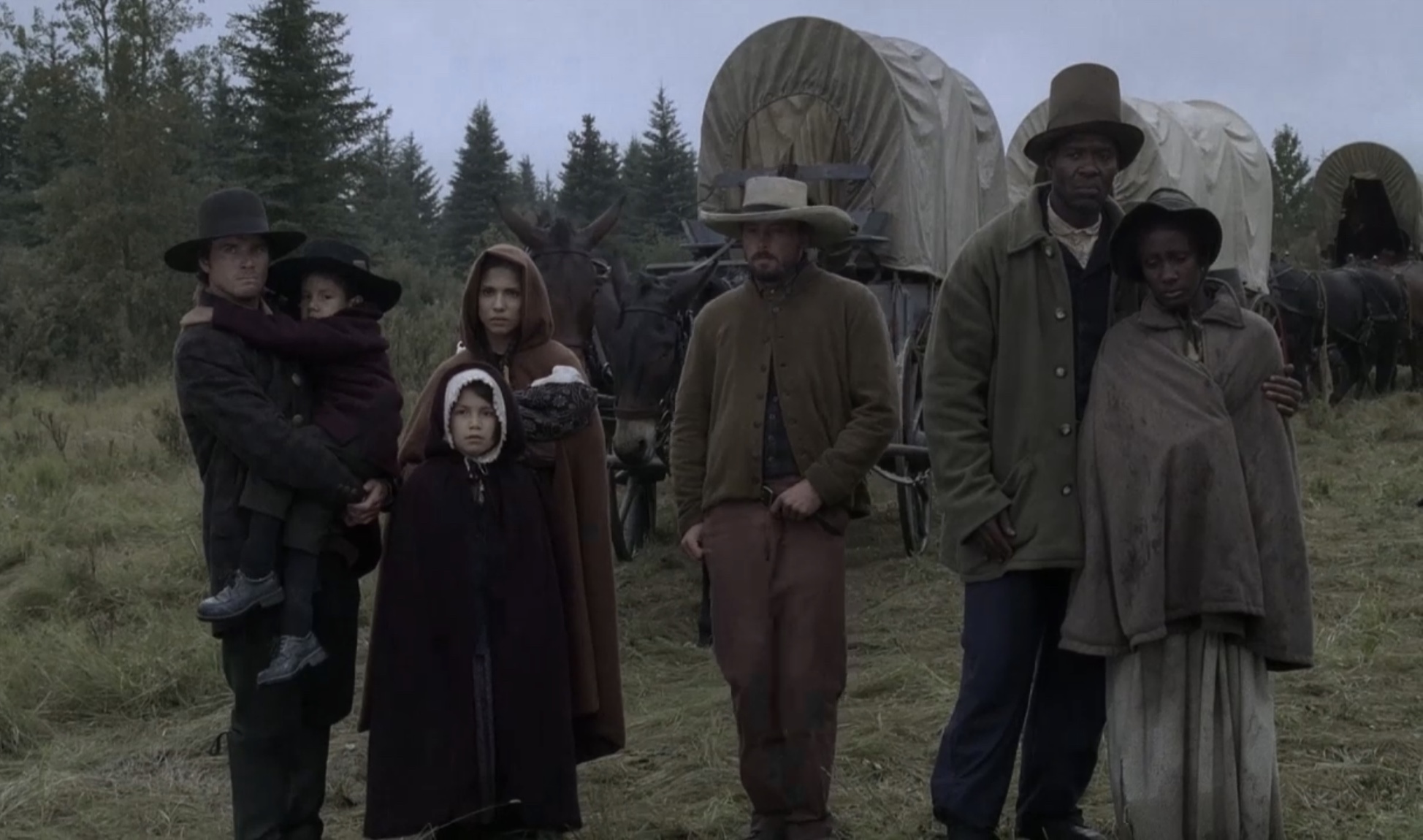
Why Into the West Still Deserves Attention
Taylor Sheridan’s 1883 and 1923 have attracted audiences with their family histories, dangerous journeys and portrayals of frontier hardship.
Into the West explored many of those themes years earlier, covering a broader historical period through multiple generations.
Its six episodes move through major events in American history while examining the experiences of settlers, soldiers and Indigenous families.
With Steven Spielberg’s involvement, an extensive ensemble and an ambitious story spanning 65 years, Into the West remains a substantial historical Western. For viewers who appreciate the scale and family drama of 1883, 1923 and Yellowstone, the 2005 miniseries offers another perspective on the American frontier and the human cost of its transformation.