Congratulations!
You've earned 1 point
Chris Stapleton Turns His First Show After Dolly Parton’s Death Into a Moving Tribute With “I Will Always Love You”
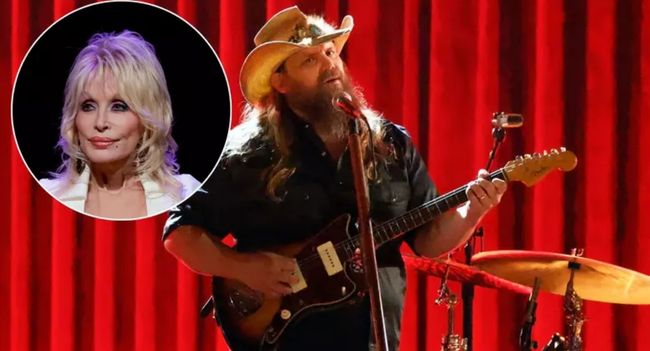
Chris Stapleton needed few words to honor Dolly Parton.
Taking the stage at Northwell at Jones Beach Theater in Wantagh, New York, on Wednesday, August 26 — just one day after Parton’s death at 80 — Stapleton delivered an unexpected rendition of “I Will Always Love You,” transforming one of country music’s most recognizable songs into a deeply personal farewell.
The performance came during a stop on Stapleton’s ongoing All-American Road Show, with Carter Faith supporting the New York date. There was no elaborate introduction to prepare the crowd for what was coming. Instead, Stapleton simply began playing.
And as soon as the opening words arrived, the audience understood.
The Crowd Realized Almost Immediately
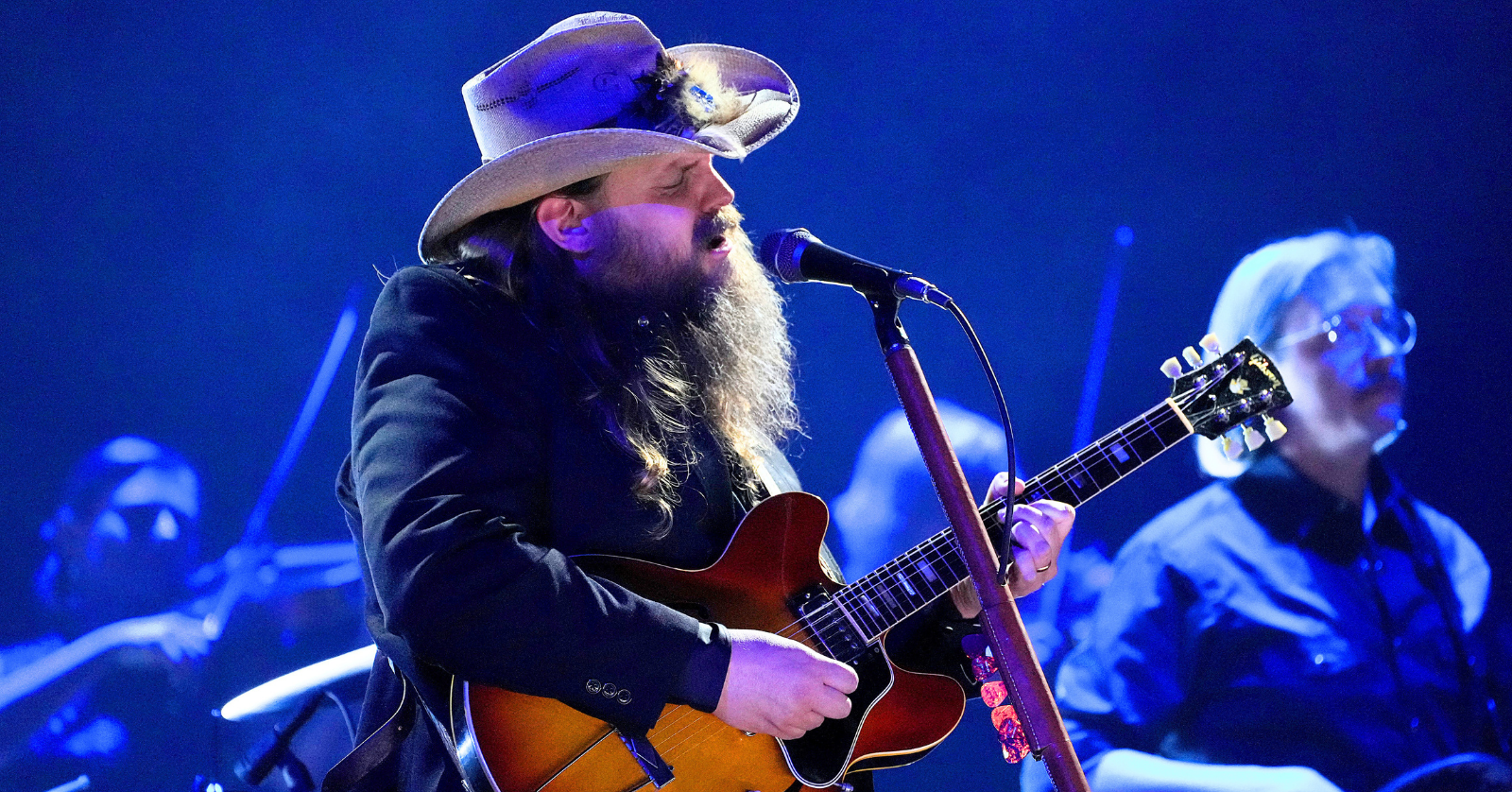
Fan footage from Jones Beach captures the reaction as Stapleton begins Parton’s 1974 classic.
The first recognizable lyric was enough to send cheers through the amphitheater. As the performance continued, members of the crowd began singing along, turning the tribute into a shared moment between Stapleton and thousands of fans grieving the same loss.
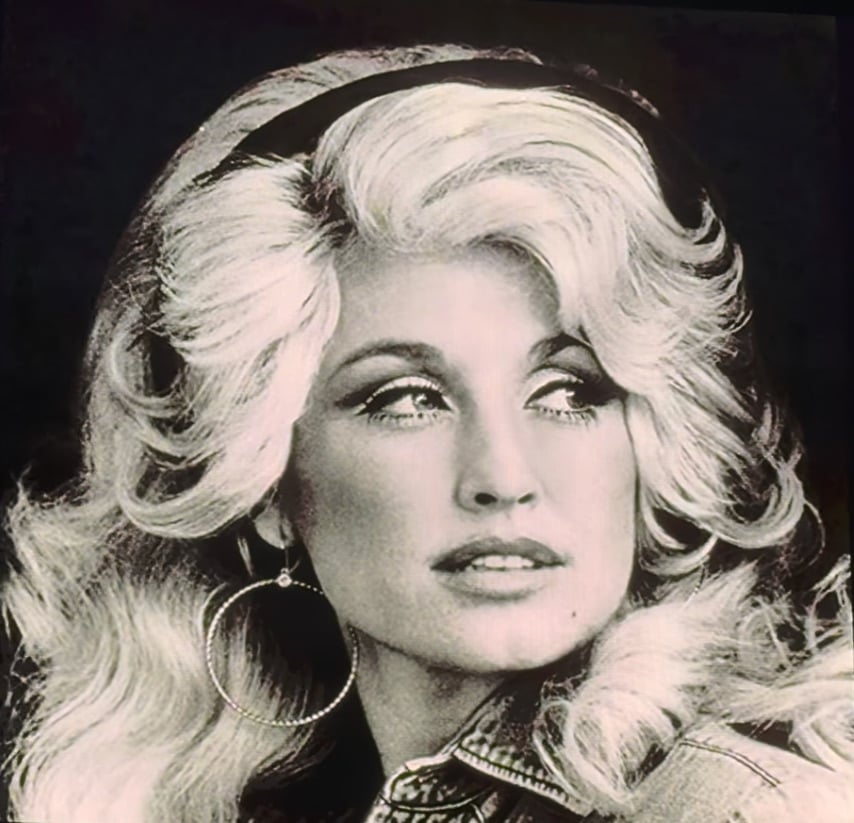
Behind him, the large concert screens displayed a black-and-white photograph of Parton.
There was little else needed.
With his guitar and unmistakably weathered voice, Stapleton approached the song in his own style, giving the familiar melody a rougher, more soulful character while retaining the emotion at its center.
A Simple Farewell: “Thank You, Dolly”
Perhaps the most affecting moment came after the final note.
Stapleton did not follow the performance with a lengthy speech.
As applause filled the venue, he offered a brief acknowledgment to the woman whose song he had just performed:
“Thank you, Dolly.”
The simplicity of the moment seemed fitting. Parton’s songs had already said so much for generations of listeners, and on this night, Stapleton allowed one of her most enduring compositions to carry most of the tribute itself.
Videos of the performance quickly circulated online, with viewers praising Stapleton’s emotional interpretation.
Why “I Will Always Love You” Carried So Much Weight
Stapleton’s choice of song was particularly poignant.
Parton wrote “I Will Always Love You” in 1973 as she prepared to leave her professional partnership with Porter Wagoner and pursue her career independently.
Her original recording reached No. 1 on the country chart in 1974. She later recorded the song again for The Best Little Whorehouse in Texas, taking it back to No. 1 in 1982.
A generation later, Whitney Houston transformed the composition into an international pop phenomenon with her 1992 recording for The Bodyguard.
Yet beneath all the famous versions, the heart of the song remained Parton’s: a farewell built not around bitterness, but gratitude and enduring affection.
That meaning inevitably felt different at Jones Beach.
Only a day after the country legend’s death, the words were no longer simply part of a classic song. In Stapleton’s hands, they became a goodbye.
Dolly Parton’s Influence Continues Through Other Artists
Stapleton was far from the only performer to turn to Parton’s music in the immediate aftermath of her death.
Artists across genres began incorporating tributes into their performances, illustrating how far her influence extended beyond traditional country music.
But Stapleton’s performance carried particular resonance because of the connection between his own musical identity and the tradition Parton helped shape.
He did not attempt to imitate her original vocal.
Instead, he delivered the song as Chris Stapleton — guitar-led, raw and unmistakably his own.
That may be one of the clearest ways a songwriter’s legacy survives: not through perfect recreations of the original recordings, but through other musicians continuing to find something personal inside the songs.
A Song That Became a Goodbye

The Jones Beach performance lasted only a few minutes, but its timing gave it a significance far beyond another unexpected cover in a concert setlist.
One day earlier, country music had lost one of its defining figures.
One night later, thousands of people stood together as another of the genre’s biggest voices sang the song she had written more than half a century before.
There was a photograph of Dolly on the screens, Stapleton’s voice carrying across the amphitheater, and an audience gradually joining him.
Then came the applause.
And finally, the only words Stapleton apparently felt were necessary:
“Thank you, Dolly.”