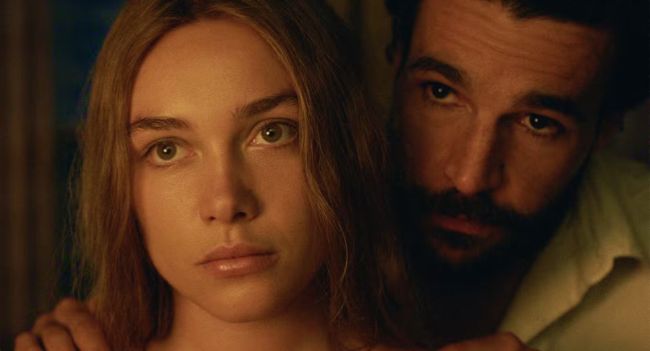
Forget Bridgerton: Florence Pugh’s Dark East of Eden Gives Netflix’s Period Drama Line-Up A New Edge
Netflix may be known for lavish period dramas such as Bridgerton, but its latest offering takes the genre somewhere considerably darker.
Premiering on October 1, 2026, East of Eden is a seven-episode limited series based on John Steinbeck’s 1952 novel, with Zoe Kazan adapting the story for the screen. Led by Florence Pugh, the series has quickly attracted attention for its ambitious take on Steinbeck’s multigenerational family saga and its decision to place one of the novel’s most complicated characters firmly at the centre.
The series currently holds an 85% critics’ score and 83% audience score on Rotten Tomatoes, while reviews have particularly highlighted Pugh’s performance as Cathy Ames.
It may not offer the romance and escapism associated with Bridgerton, but East of Eden makes a very different case for what a Netflix period drama can be.
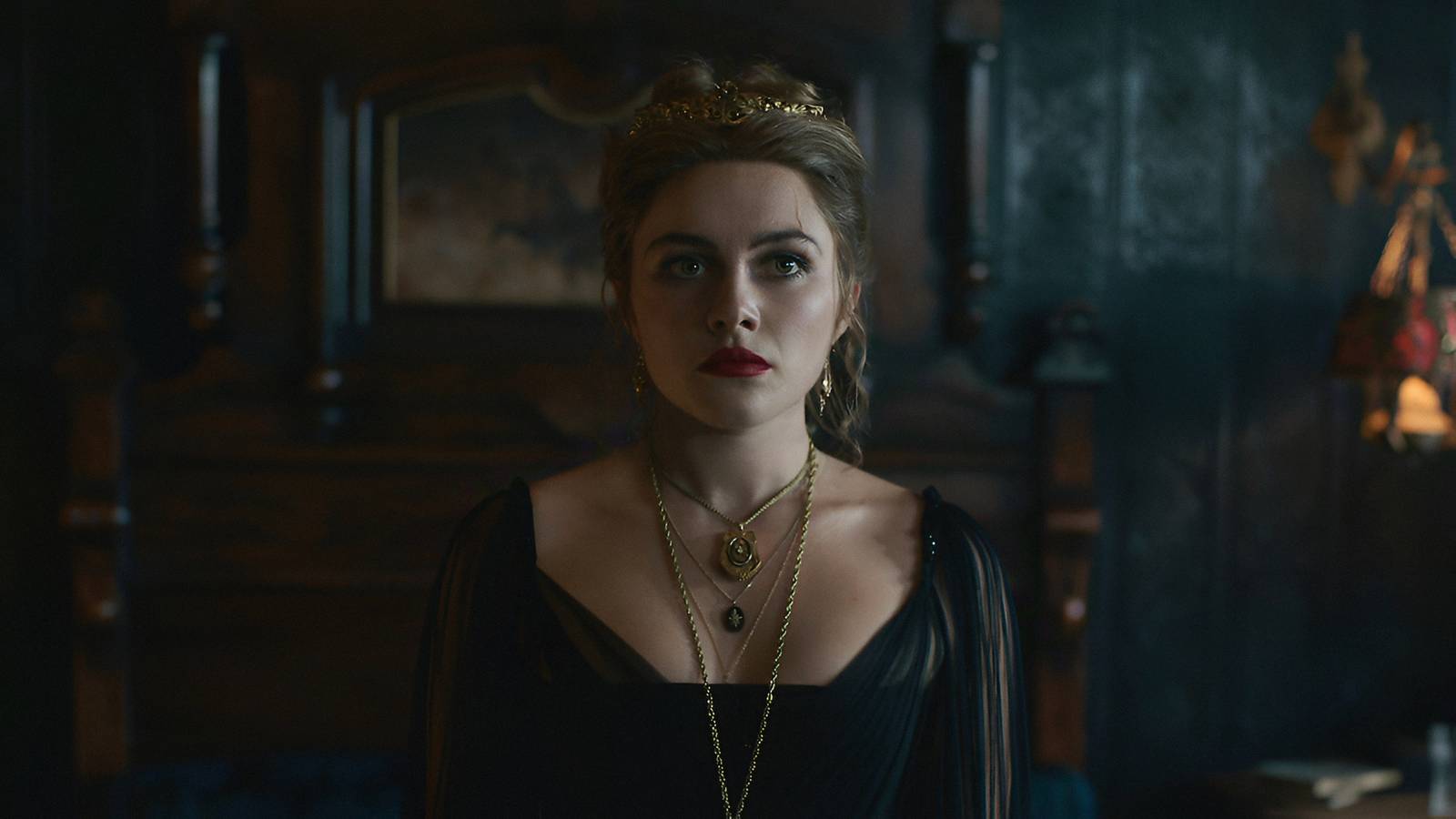
A Much Darker Take On The Period-Drama Formula
Where Bridgerton uses its historical setting for romance, social intrigue and elaborate spectacle, East of Eden is far more interested in family conflict, morality and the forces that shape people across generations.
The story follows the Trask family through decades of rivalry, ambition and emotional damage, with Cathy Ames at the heart of the drama.
Pugh plays Cathy as a deeply complicated figure whose choices leave a lasting impact on the people around her, particularly Adam Trask, played by Christopher Abbott, and Charles Trask, played by Mike Faist.
Rather than treating Cathy simply as a conventional villain, Kazan’s adaptation gives her substantially more room to tell her own story. The series explores her past, motivations and the experiences that helped shape her, while still preserving the darker aspects of the character.
That makes the central conflict less straightforward than a simple battle between good and evil.
Instead, East of Eden repeatedly returns to questions of inheritance and personal choice: how much of a person’s future is determined by their family, and how much remains within their own control?
Florence Pugh Is The Series’ Defining Presence
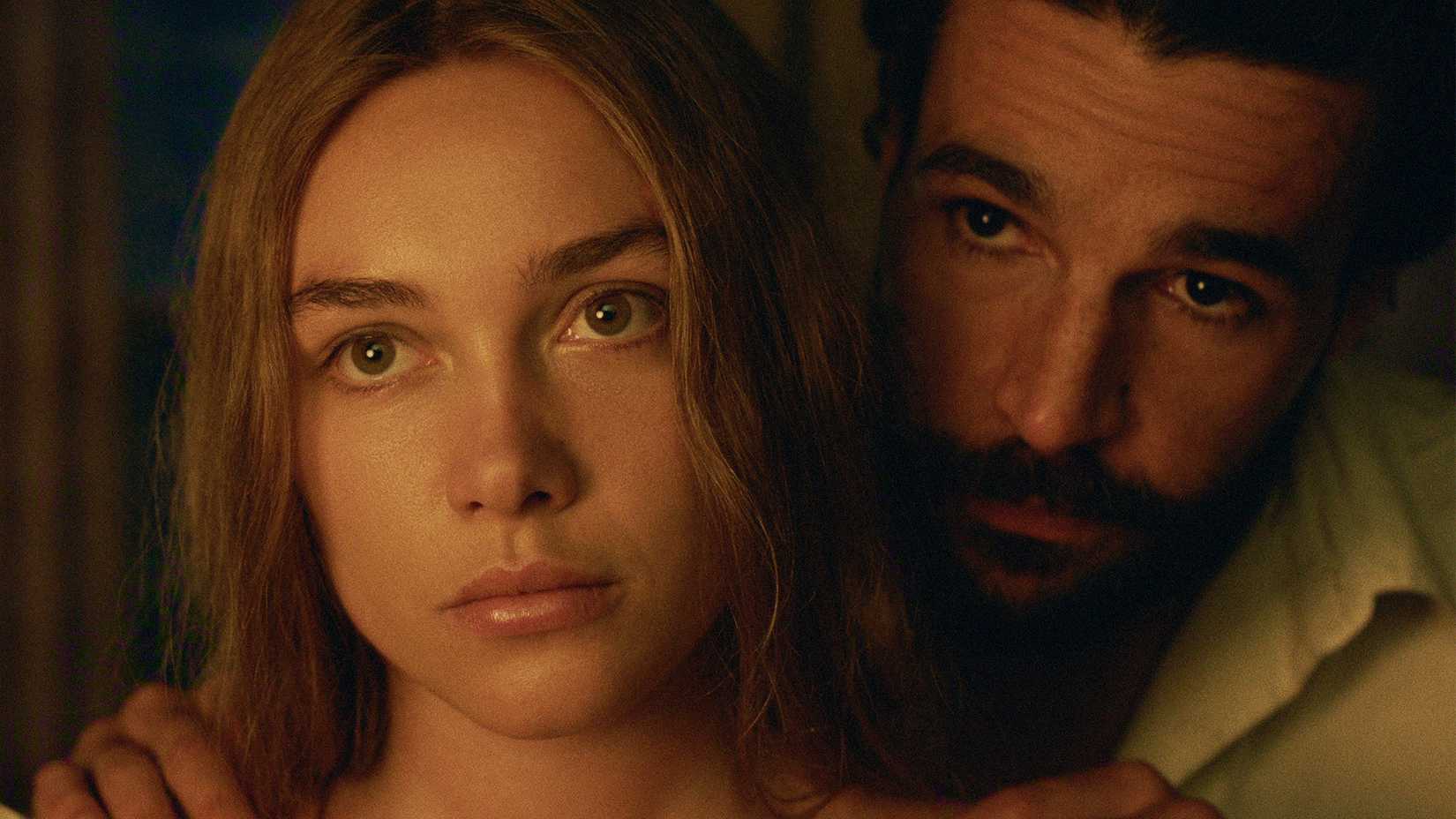
Much of the attention surrounding East of Eden has focused on Pugh, and for good reason.
As Cathy, she has to play someone capable of leaving destruction in her wake while still giving the audience enough complexity to understand the person behind those actions.
The adaptation places Cathy much closer to the narrative’s centre than previous screen versions, giving Pugh considerably more material to work with.
Critics have repeatedly singled out that performance. The New Yorker praised Pugh’s ability to bring nuance to the character, while TheWrap described her performance as a major strength of the ambitious adaptation.
The result is a Cathy who cannot be reduced to a single label.
She remains a deeply troubling character, but the series is interested in the experiences and choices behind her behaviour rather than simply presenting her as an embodiment of evil.
That shift is one of the clearest ways Kazan distinguishes this version from earlier adaptations.
Seven Episodes To Tell A Multigenerational Story
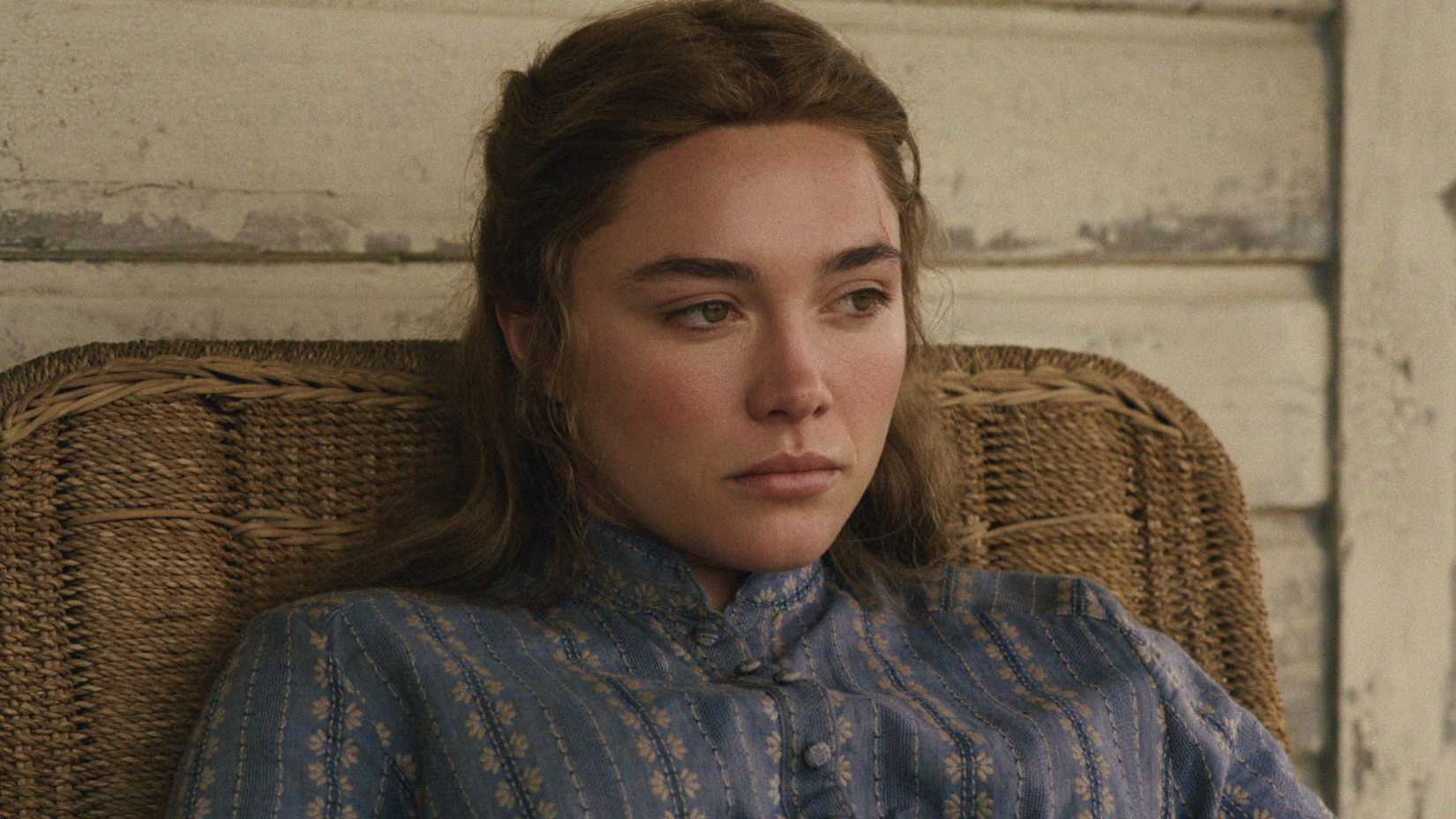
Adapting East of Eden was always going to be a major undertaking.
Steinbeck’s novel spans decades and generations, following the Trask family as old conflicts and patterns of behaviour continue to influence those who come after them.
Kazan’s version condenses that enormous story into seven episodes, covering substantially more of the novel than the famous 1955 film adaptation, which focused largely on the latter portion of the book.
The Netflix series moves through the story from the earlier generation of Adam and Charles to the next, allowing the themes of family, rivalry and inherited conflict to develop across time.
All seven episodes were released on Netflix on October 1, giving viewers the complete limited series rather than a story designed to stretch indefinitely across multiple seasons.
That structure also allows the adaptation to make substantial changes and expansions where necessary, particularly around Cathy and Lee, played by Hoon Lee.
Kazan has used the additional television format to give both characters greater depth and narrative importance than they have traditionally received on screen.
Netflix’s Period Drama Looks More Like Prestige Television
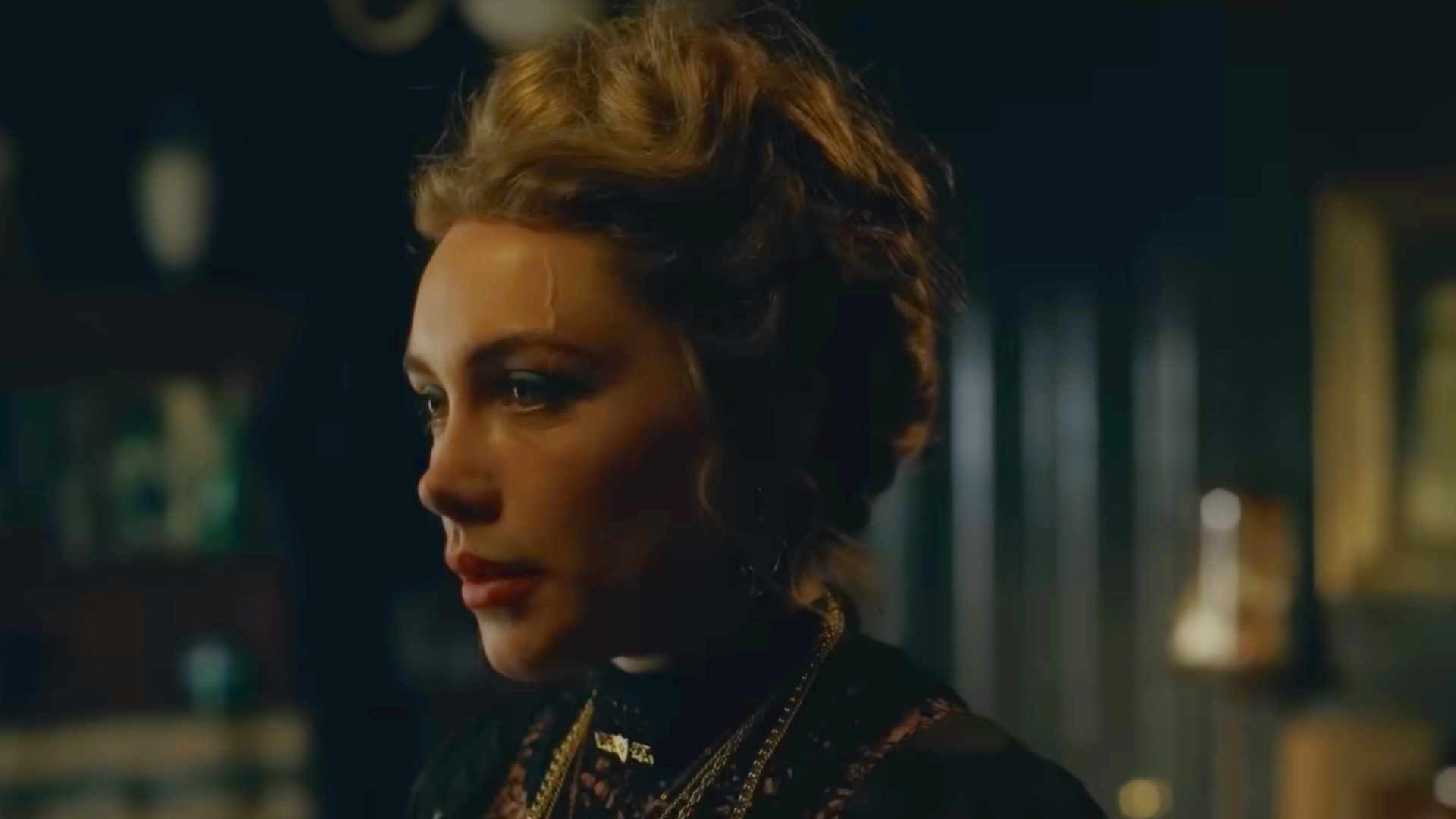
The scale of East of Eden is another reason the series stands apart from Netflix’s more conventional period offerings.
The production was filmed in New Zealand, with locations including Oamaru and the Otago region standing in for the story’s California setting. The production team created detailed sets and period environments to recreate the world of Steinbeck’s novel.
The result is a visually ambitious drama built around sweeping landscapes, detailed period design and a story that spans generations.
But its biggest strength may be the contrast between that visual beauty and the increasingly troubled relationships at the centre of the story.
The series is not simply using its historical setting as decoration. Its period world provides the backdrop for a story about family inheritance, ambition, violence and the possibility of choosing a different path.
A Very Different Alternative To Bridgerton

Bridgerton remains the more established Netflix period-drama phenomenon, with its romantic storytelling and large existing audience giving it an obvious advantage.
East of Eden is aiming at something else entirely.
It is darker, more psychologically focused and built around a story that stretches across generations rather than a primarily romantic ensemble. Its seven-episode structure also gives the adaptation a defined scope, while Florence Pugh’s performance provides a commanding centre for one of Steinbeck’s most debated characters.
The result is not a replacement for Bridgerton so much as a striking alternative.
For viewers looking for romance and escapism, Bridgerton remains in its own lane. But anyone drawn to darker period stories, complicated family dynamics and psychologically intense characters may find East of Eden far more difficult to put down.
All seven episodes are now streaming on Netflix.