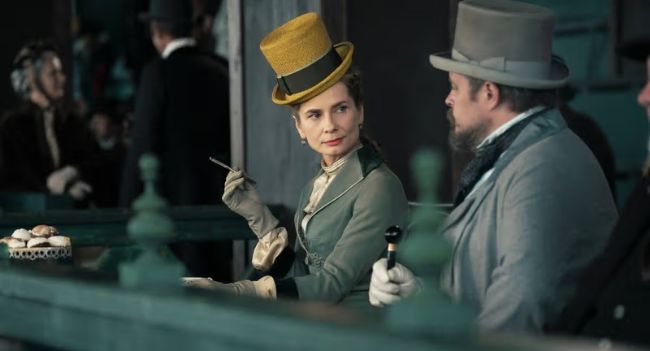
The Doll: Netflix’s Dark Polish Period Drama Reimagines a Literary Classic
Netflix has quietly added a lavish new period drama that takes one of Poland’s most celebrated novels and turns it into a darker, more contemporary story of love, ambition and social class.
The Doll, known as Lalka in Polish, is a six-part adaptation of Bolesław Prus’s 19th-century novel, transporting viewers to Warsaw as a wealthy merchant becomes increasingly consumed by his desire for an aristocratic woman. What begins as a pursuit of love gradually becomes a much more complicated struggle involving money, status, obsession and social power.
The series premiered on Netflix on September 16, 2026, with all six episodes released at once.
A Love Story Complicated By Class And Ambition
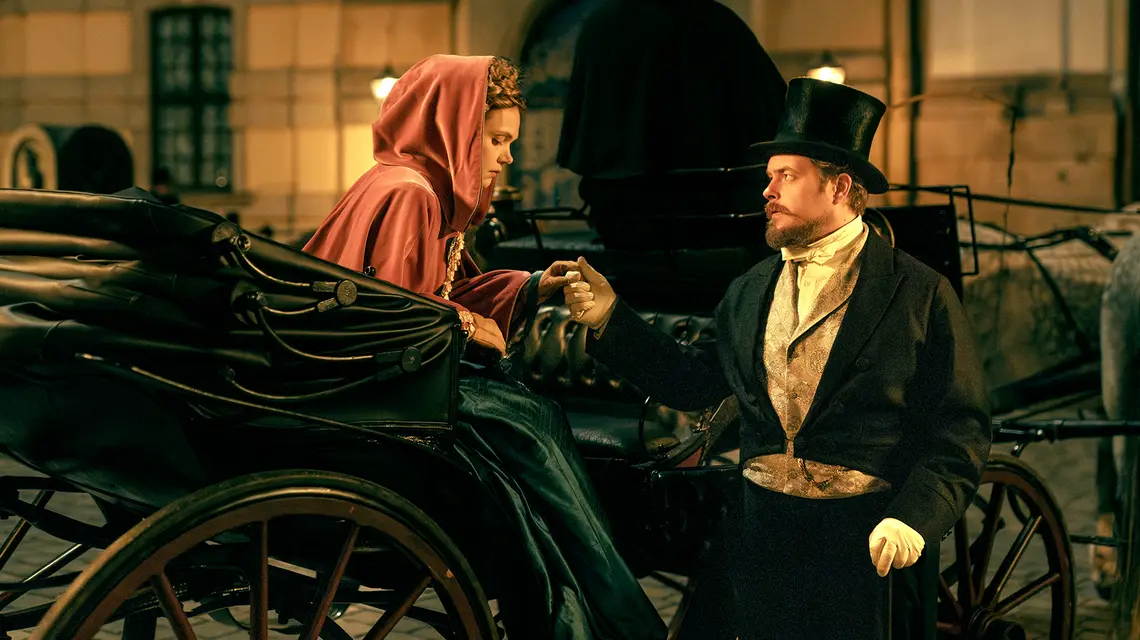
At the center of the drama are Stanisław Wokulski, played by Tomasz Schuchardt, and Izabela Łęcka, portrayed by Sandra Drzymalska.
Wokulski has built his wealth through business and is determined to move beyond the social barriers separating him from Warsaw’s aristocracy. Izabela, meanwhile, comes from a privileged family whose influence is beginning to weaken, leaving her caught between the expectations of her social position and her desire for greater control over her own life.
When Wokulski becomes determined to win Izabela’s affection, his romantic pursuit quickly becomes intertwined with his ambitions.
His desire to enter aristocratic society and his growing fixation on Izabela draw the two characters into a complicated world of wealth, reputation, prejudice and power.
Netflix describes the series as a modern reinterpretation of Prus’s classic, placing Wokulski’s ambition and Izabela’s struggle for independence at the heart of the story.
The setting is 19th-century Warsaw, where rigid divisions between social classes shape almost every aspect of the characters’ lives.
Prus’s original novel was first serialized before being published as a book in 1890, and it has long been considered an important work of Polish literature. The Netflix adaptation takes that established story and approaches it from a more contemporary perspective.

Netflix Gives A Polish Classic A Modern Edge
One of the most distinctive elements of The Doll is the decision not to treat the source material as a straightforward period romance.
The original novel combines romantic tragedy with observations about class, aristocratic society and economic change. The Netflix series retains those foundations while making significant changes to the characters and their relationships.
Directed by Paweł Maślona, the adaptation features a screenplay by Paweł Demirski, Jagoda Dutkiewicz and Maślona.
The result is a version of The Doll that can feel less predictable than a traditional costume drama. Romance remains central, but the story also explores ambition, social inequality, business and the limitations placed on people by the world into which they were born.
That contemporary approach is particularly significant for international viewers who may be unfamiliar with Prus’s novel.
Recreating 19th-Century Warsaw
The production also places considerable emphasis on its visual recreation of the period.
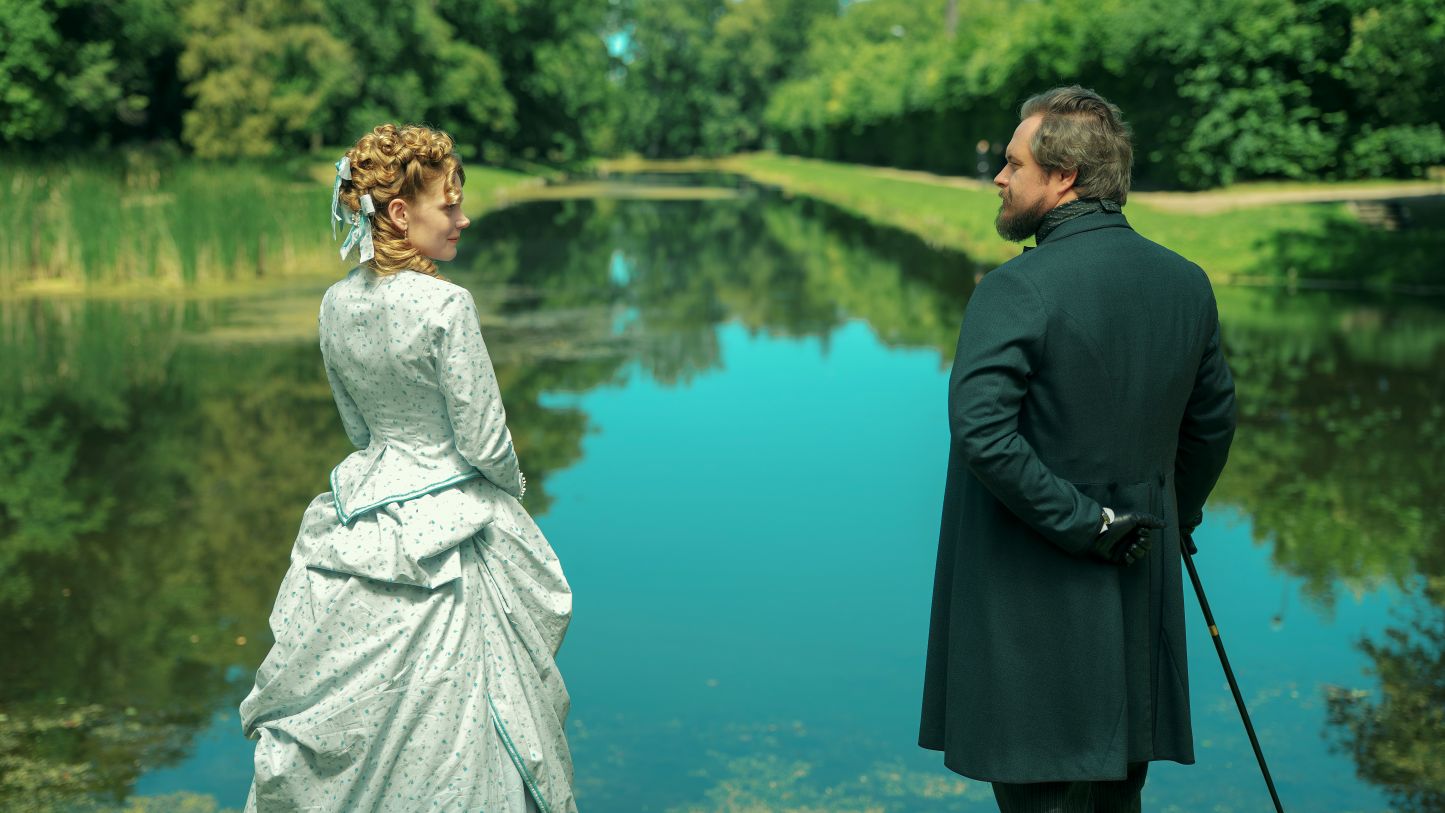
Because much of historic Warsaw was destroyed during World War II, the production used locations in other Polish cities alongside detailed sets and CGI to recreate the Warsaw of the late 19th century.
The series recreates everything from aristocratic interiors to grand ballrooms, helping establish the contrast between the different social worlds occupied by its characters.
The attention to production design and costumes has been one of the more consistently noted aspects of the series, particularly in reviews discussing its recreation of 1878 Warsaw.
That visual scale gives The Doll an expansive period-drama feel while its story remains focused on the personal conflicts between people trapped within a rigid social hierarchy.
Who Stars In The Doll?
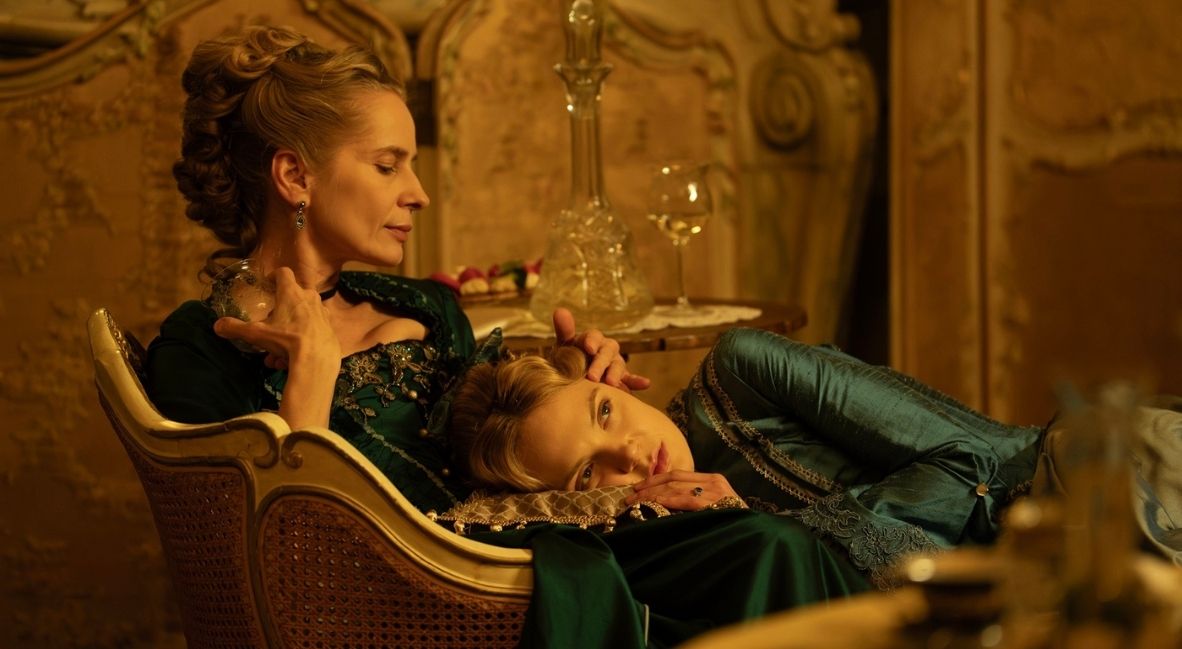
The predominantly Polish cast is led by Tomasz Schuchardt and Sandra Drzymalska.
The principal cast includes:
- Tomasz Schuchardt as Stanisław Wokulski
- Sandra Drzymalska as Izabela Łęcka
- Jacek Braciak as Tomasz Łęcki
- Dariusz Chojnacki as Ignacy Rzecki
- Maria Kania as Marianna
- Piotr Pacek as Kazimierz Starski
- Julia Wyszyńska as Florentyna
Netflix’s cast also includes Magdalena Cielecka, Piotr Adamczyk, Monika Frajczyk, Mateusz Król and Małgorzata Hajewska-Krzysztofik, alongside other Polish performers.
Schuchardt and Drzymalska carry the central relationship, with Wokulski and Izabela representing two contrasting positions within a society where wealth does not necessarily translate into social acceptance.
Critics Are Divided — But The Production Has Made An Impression
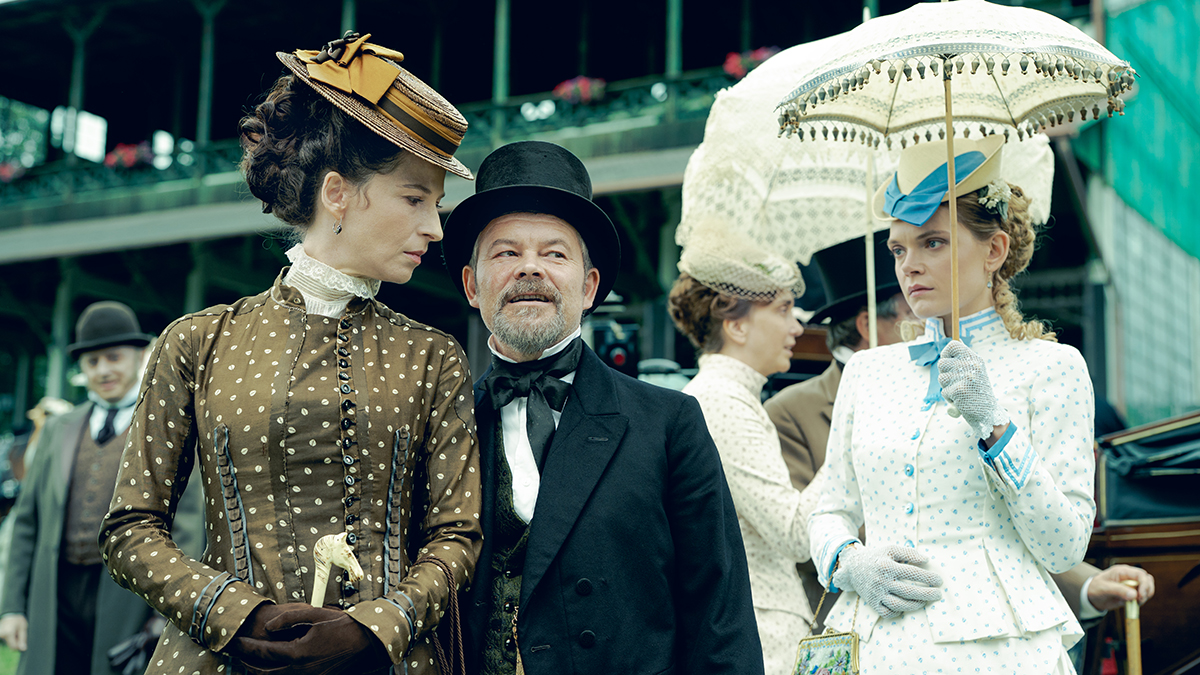
Following its September 16 release, The Doll began attracting attention outside Poland, although it initially received less international coverage than some of Netflix’s larger English-language period dramas.
The New York Times examined the possibility of the series reaching an international audience, highlighting its lavish production and the enduring themes at the center of Prus’s story.
The critical response, however, has not been completely uniform.
Culture.pl praised the production’s scale, performances and willingness to reinterpret the original novel, while also noting moments where the drama loses momentum.
What’s on Netflix awarded the series four out of five stars, praising its recreation of 19th-century Warsaw as well as its visual presentation and social commentary.
Other reviews have been more critical of the pacing and the amount of material packed into only six episodes.
But Why Tho? argued that the series attempts to balance a substantial number of themes and storylines, including romance, business, revenge, social class and changing expectations for women. Even so, the review highlighted the production design and costumes as notable strengths.
Those differing reactions reflect the nature of the adaptation itself. Rather than simply reproducing Prus’s novel as a conventional costume romance, The Doll makes deliberate changes and gives the material a more modern, sometimes uncomfortable tone.
There Is Much More At Stake Than Romance
![Poland has reached its Wokulski moment [ANALYSIS]](https://s13.tvp.pl/images2/c/b/d/uid_cbd32c1af4054a84bab1b3759b7835d4_width_1025_play_0_pos_0_gs_0_height_0.png)
Although Wokulski’s feelings for Izabela provide the emotional center of the story, their relationship also represents a much larger conflict.
Wokulski has money, ambition and determination, but those qualities do not automatically allow him to cross the boundaries established by aristocratic society.
Izabela faces a different kind of restriction. Her privileged position gives her status, yet the expectations surrounding marriage, wealth and family limit the choices available to her.
Their relationship therefore becomes a way for the series to examine the effects of class inequality, prejudice and social expectations.
As the story develops, ambitions collide and relationships become increasingly complicated. What initially looks like a familiar tale of an ambitious man pursuing an aristocratic woman gradually takes on darker dimensions.
The result is a period drama that is as concerned with obsession and social power as it is with romance.
Six Episodes Are Available To Stream
The Doll consists of six episodes, all released on Netflix on September 16, 2026.
The episodes have substantial runtimes, ranging from around an hour to more than 70 minutes:
- Episode 1 — 1 hour 10 minutes
- Episode 2 — 1 hour 6 minutes
- Episode 3 — 1 hour
- Episode 4 — 1 hour 7 minutes
- Episode 5 — 1 hour 5 minutes
- Episode 6 — 1 hour 12 minutes
Because Netflix released the complete series simultaneously, viewers can watch the story at their own pace rather than waiting for new episodes each week.
Where To Watch The Doll
All six episodes of The Doll are now streaming on Netflix, with the original Polish audio and dubbed and subtitled options available depending on the viewer’s region.
For audiences accustomed to British and American period dramas, the series offers a distinctly Polish perspective on familiar themes of romance, wealth, ambition and social status.
Its literary origins, 19th-century Warsaw setting and contemporary reinterpretation also set it apart from more conventional costume romances.
At its center is a relationship shaped not only by love, but by the social world surrounding it — and that makes The Doll a considerably darker and more complicated story than its romantic premise might initially suggest.