Inside East of Eden: Unpacking the Cinematic and Literary Weight of Steinbeck’s Masterpiece
If you look past generic marketing hype trying to package every classic American literary adaptation as a dusty, mandatory school assignment, you are looking at East of Eden—whether referring to Elia Kazan’s iconic 1955 cinematic masterpiece starring James Dean or Netflix’s ambitious, deeply psychological modern limited series adaptation written by Zoe Kazan.

The Setup: The Salinas Valley, Sins of the Father, and Timshel
Moving away from straightforward, black-and-white family sagas, John Steinbeck’s sweeping 1952 epic—and its screen adaptations—anchors its emotional power in the brutal, beautiful complexities of human nature and free will:
-
The Rivalry and the Legacy: Set against the rich, sun-baked landscape of California’s Salinas Valley across generations, the story mirrors the biblical tale of Cain and Abel, focusing on the strained, tragic relationships within the Trask family.
-
The Shadow of Cathy Ames: At the epicenter of the psychological turmoil is Cathy (or Kate) Ames, an ice-cold, fiercely independent woman who upends the lives of the well-meaning Adam Trask and his volatile, conflicted brother Charles, later abandoning her twin sons, Cal and Aron.
-
The Burden of Choice: Beneath the family feuds and local tragedies, the narrative builds toward Steinbeck’s central philosophical thesis—the Hebrew concept of timshel (“thou mayest”), which posits that human beings are never permanently doomed by their ancestry or past mistakes, but instead possess the absolute freedom to choose between good and evil.
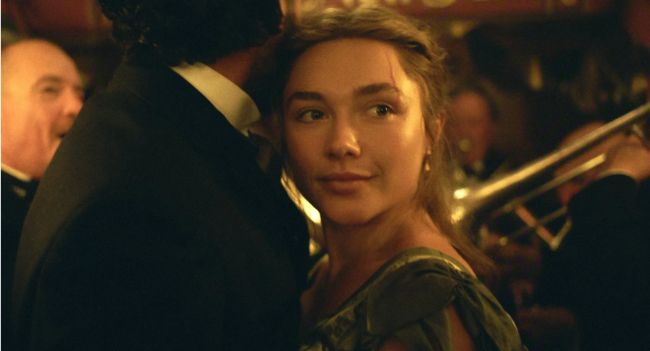
:max_bytes(150000):strip_icc():focal(749x0:751x2)/florence-pugh-east-of-eden-090226-2-2cd7bfe43f8443aaaff7b8912caec974.jpg)
Key Creative Approach & Adaptations
-
Elia Kazan’s 1955 Film: Focusing primarily on the final section of the novel, the classic film catapulted James Dean to legendary status as the brooding, emotionally starved Cal Trask, capturing a definitive portrait of mid-century youth rebellion and parental rejection.
-
Zoe Kazan’s Modern Retelling: The recent prestige television adaptation leans heavily into deep psychological nuance, reframing characters like Cathy Ames with complex layers of survival and trauma, ensuring that modern audiences see the timeless material through a sharper, more critical lens.
-
Mythology Meets Realism: Whether on the silver screen or serialized for streaming, the adaptations thrive by blending grand, operatic biblical themes with raw, mud-on-your-boots historical realism.
The Verdict
While promotional campaigns love to throw around words like “definitive” and “epic,” East of Eden remains an immortal, emotionally devastating exploration of generational trauma, human failing, and the terrifying, beautiful weight of free will.