Critical Review Breakdown: Netflix’s ‘East of Eden’ (2026)

Core Verdict
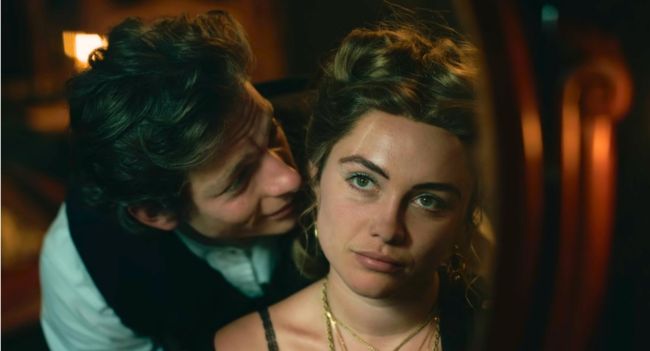
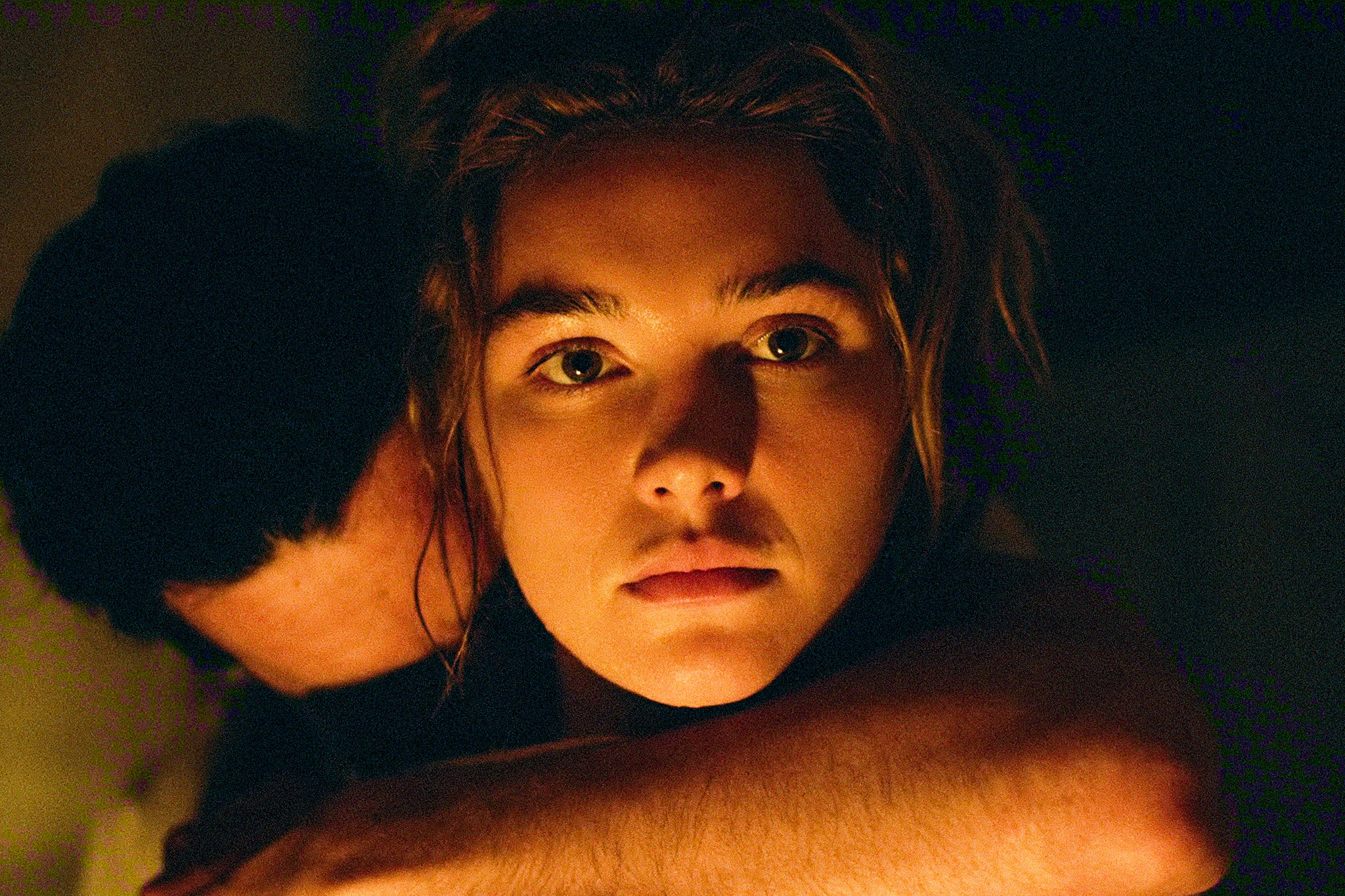
Zoe Kazan and Jeb Stuart’s seven-part limited series for Netflix delivers a grand, visually sumptuous, but structurally uneven 21st-century recalibration of John Steinbeck’s 1952 masterpiece. By shifting the central point of view from Salinas Valley geography to the internal psychology of Cathy Ames (Florence Pugh) and the philosophical agency of Lee (Hoon Lee), the production creates two compelling anchor performances that justify modernizing the text, even when narrative compression and psychologizing dilute Steinbeck’s original fatalism.
Key Thematic & Structural Shifts
| Dimension | John Steinbeck’s Novel (1952) | Elia Kazan’s Film (1955) | Zoe Kazan’s Series (2026) |
| Opening Frame | Geography & land: The fertile Salinas Valley frontier at the turn of the century. | The final third of the book: Cal, Aron, and the later California era. | Character & Psychology: Cathy Ames declaring, “I believe there are monsters born to human parents.” |
| Cathy Ames | An irredeemable, innate “monster” born without a moral conscience. | Sidelined mostly to the background brothel owner Kate. | A creature of survival and agency: Early sociopathy is later contextualized by childhood trauma and rebellion against domestic confinement. |
| Lee | Wise, detached, philosophical observer who adopts a pidgin facade around whites. | Entirely omitted from the film adaptation. | Co-lead and emotional core: Given a dedicated standalone episode (co-written by Alexander Chee), personal history in Chinatown, and an unspoken role as surrogate parent to the twins. |
| Production Scope | Expansive multi-generational saga across Connecticut and California. | Tightly focused family melodrama in Monterey County. | 7-part miniseries filmed in New Zealand (standing in for California/Connecticut) using cinematic widescreen compositions. |
Major Strengths vs. Weaknesses

What Works
-
Florence Pugh’s Command: Pugh excels at externalizing calculating, animalistic intelligence beneath physical vulnerability. Her early scenes—treating marriage as a loose knot to slip out of—make Cathy a clinical force of nature.
-
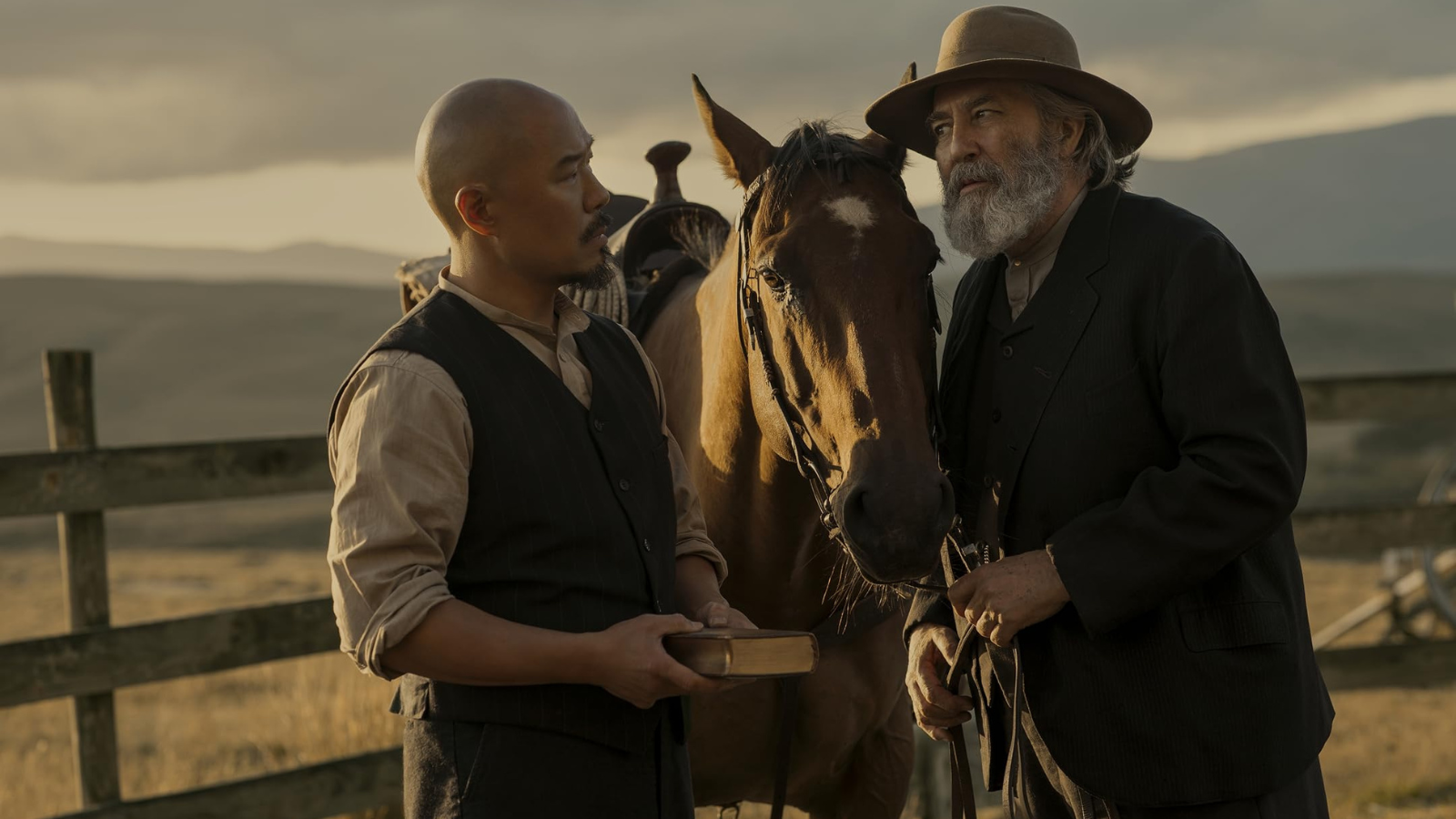
Hoon Lee’s Elevation: Giving Lee real screen real estate turns timshel (“thou mayest”) from an abstract Sunday-school debate into an earned lived philosophy. His quiet dignity and domestic centrality balance Cathy’s destructive cynicism.
-
Dedicated Character Deep Dives: Spending focused episodes on Cathy’s manipulation of brothel madam Faye (Martha Plimpton) and Lee’s trip to San Francisco provides rich episodic storytelling.
-
Artisanal Craft: Direction from Garth Davis and Laure de Clermont-Tonnerre, paired with Grant Major’s production design and Laura Karpman’s score, gives the series the prestige weight of a classic fall drama.
Where It Stumbles
-
The “Freudian Excuse” Trap: Explaining Cathy’s psychopathy through childhood trauma softens the chilling, unalterable nature that made Steinbeck’s original conception so unique.
-
Compression Squeeze: Cut from eight planned episodes down to seven, the series leaves Charles (Mike Faist) and teenage twins Cal (Joseph Zada) and Aron (Joe Anders) feeling like narrative afterthoughts rather than fully developed generational mirrors.
-
Uneven Aging: While Pugh undergoes substantial cosmetic aging as the decades pass, Christopher Abbott’s boyish look makes his transformation into an aging, broken patriarch less convincing.