
Forget Bridgerton: Florence Pugh’s R-Rated Netflix Thriller Makes a Stronger Case for Must-Watch Period Drama
Netflix already has a reputation for lavish period dramas, with Bridgerton firmly established as one of its biggest successes. But the streamer has arrived at October with something far darker, more intense, and arguably more compelling.
East of Eden, a seven-episode limited series starring Florence Pugh, premiered on Netflix on October 1, 2026. Based on John Steinbeck’s 1952 novel of the same name and created by Zoe Kazan, the series has quickly drawn strong praise from both critics and viewers. It currently holds an impressive 87% rating on Rotten Tomatoes.
The comparison with Bridgerton may seem unusual. The two shows approach the period-drama genre from completely different directions. Yet East of Eden packs so much into its seven episodes that it has already made a convincing case for being one of Netflix’s standout offerings.

East of Eden Takes the Period Drama in a Much Darker Direction
Bridgerton has built its popularity around escapism. Its Regency-era setting provides the backdrop for romantic storylines, high-society gossip, elaborate costumes, and fast-moving relationships. Across its four seasons so far, the series has largely stayed true to that formula without becoming especially bleak or gritty.
East of Eden takes almost the opposite approach.
While it shares the lavish period-drama aesthetic, Zoe Kazan’s adaptation plays more like an expansive psychological thriller. The stakes are considerably darker, and its seven episodes explore family conflict, inherited trauma, morality, and the question of whether people are destined to repeat the sins of those who came before them.
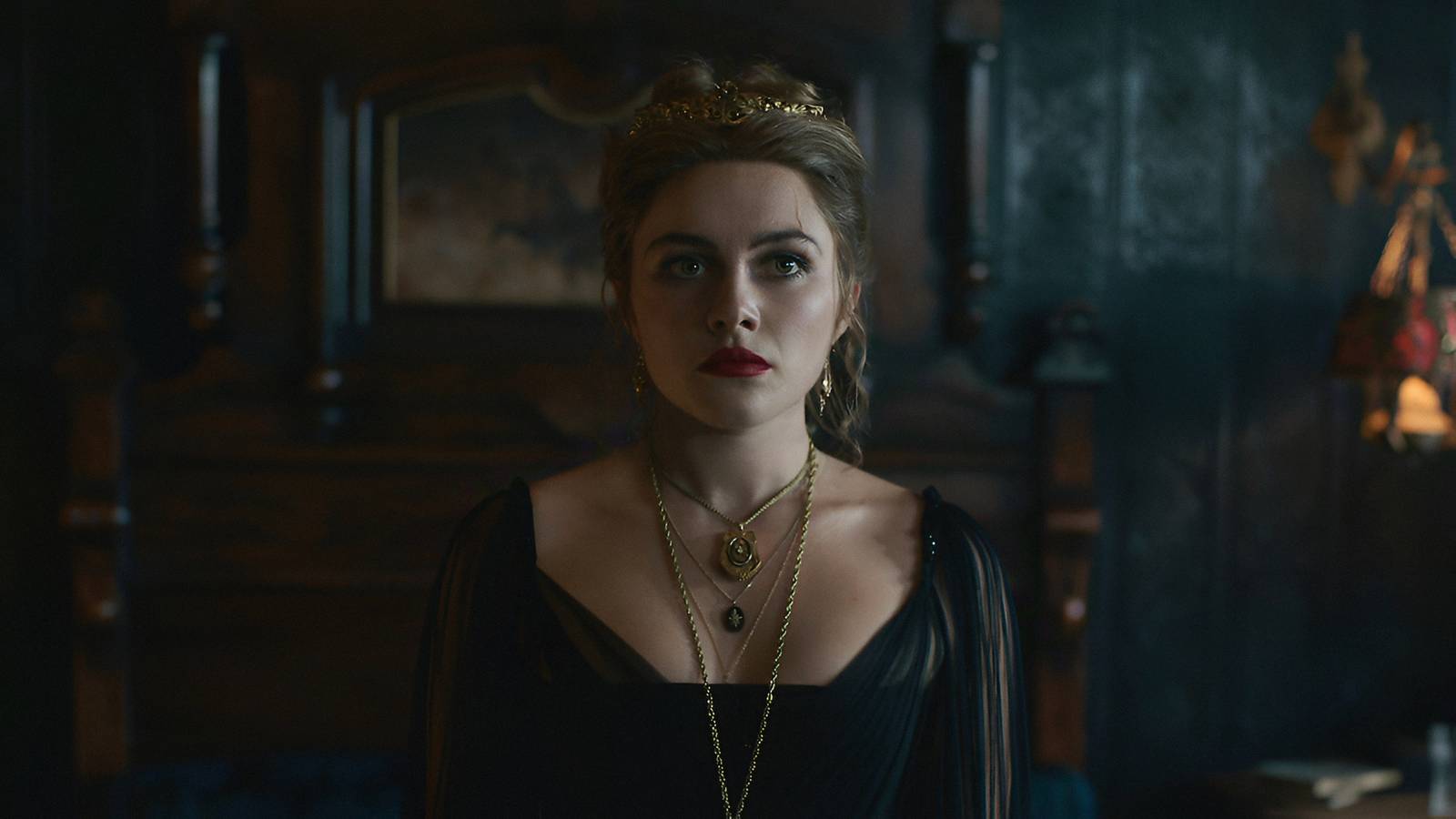
At the center of it all is Cathy Ames, played by Florence Pugh.
Pugh has received significant critical praise for her portrayal of Cathy, bringing a cold, commanding presence to a character who sits at the heart of the story’s conflict. The series also gives Cathy considerably more attention than previous screen adaptations of Steinbeck’s novel, allowing the character’s history and motivations to become a much larger part of the narrative.
That decision helps East of Eden move beyond a straightforward battle between good and evil. Instead, the series examines inherited sin and family trauma, using the characters’ relationships to explore how the past can shape future generations.
Kazan’s adaptation also isn’t afraid to move away from the source material when necessary. Rather than simply reproducing Steinbeck’s story in a linear fashion, the series expands and reinterprets elements of the novel while maintaining its central ideas.
The result is a period drama that feels considerably more psychologically intense than Bridgerton.

Florence Pugh Gives East of Eden Its Defining Performance
Pugh’s performance is one of the biggest reasons the series has attracted so much attention.
As Cathy Ames, she plays a character whose presence can alter the lives of those around her, particularly Adam Trask, played by Christopher Abbott, and Charles Trask, played by Mike Faist. The series places Cathy much closer to the center of Steinbeck’s story, giving Pugh the opportunity to explore a character who is far more complicated than a conventional villain.
That approach is consistent with Kazan’s broader vision for the adaptation. East of Eden looks at the forces people inherit from their families while also asking how much control they have over the choices they make.
The series therefore feels less interested in presenting morality as something simple. Its characters are shaped by their histories, their families, and their circumstances, but the story continues to question whether those influences determine who they ultimately become.
That gives the drama a weight that Bridgerton generally does not attempt to carry.
Seven Episodes Give East of Eden a Clear Advantage
One of the series’ greatest strengths is its limited-series structure.
Because East of Eden consists of only seven episodes, the story has a defined beginning, middle, and end. It doesn’t need to stretch its central ideas across multiple seasons or introduce unnecessary detours simply to keep a long-running series alive.
The result is a tightly constructed adaptation that maintains momentum from beginning to end.
That also reflects a larger trend in Netflix’s television strategy. Limited series have increasingly become one of the streaming service’s most reliable formats. New shows can face the possibility of cancellation, but a project designed from the outset as a miniseries gives viewers greater confidence that its central story will receive a proper conclusion.
For East of Eden, that format is particularly effective. Steinbeck’s novel contains enormous thematic material, but the seven-episode structure allows Kazan to explore those ideas without unnecessarily stretching the story.
It also gives high-profile performers such as Pugh the opportunity to commit to a contained project rather than signing on for a potentially lengthy, multi-year television run.

Netflix’s Limited-Series Formula Has Produced Some of Its Best Work
East of Eden also fits into a growing group of acclaimed Netflix miniseries, including Baby Reindeer, Adolescence, and Ripley.
One advantage of the format is that Netflix can concentrate its resources across a smaller number of episodes. That can translate into stronger production design, cinematography, performances, and overall visual polish.
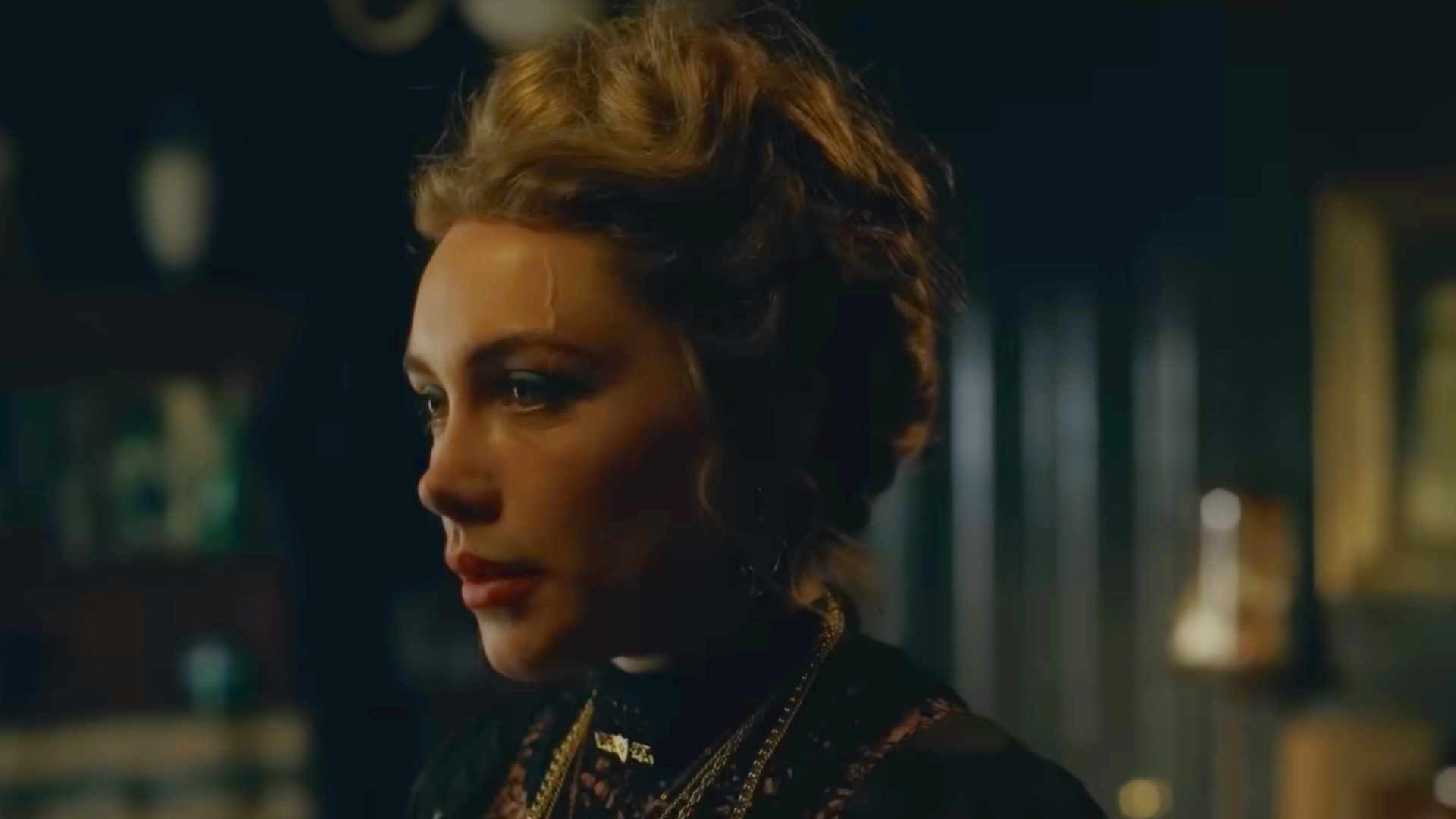
East of Eden benefits heavily from that approach. Its production is lavish and carefully composed, helping immerse viewers in its period setting from the opening episodes.
That level of visual ambition makes the series feel closer in scale and presentation to a major film project than a conventional television drama.
Bridgerton will probably remain the more mainstream and instantly recognizable Netflix period drama. Its established audience, romantic storytelling, and four-season run give it an advantage that a seven-episode miniseries cannot easily match.
But popularity isn’t the only measure of a show’s impact.
With its darker story, ambitious production, tightly contained structure, and Florence Pugh’s commanding performance, East of Eden offers a very different kind of period drama. It may not replace Bridgerton for viewers looking for romance and escapism, but for anyone interested in psychological drama with higher stakes and heavier themes, Netflix’s new adaptation deserves serious attention.