Breaking the Chain of Cain: The Theological Weight of ‘Timshel’ in Netflix’s ‘East of Eden’ Finale

In both John Steinbeck’s 1952 literary masterpiece and Zoe Kazan’s seven-part Netflix adaptation, the sprawling generational trauma of the Trask family hinges on a single, whispered Hebrew word: Timshel (“thou mayest”).
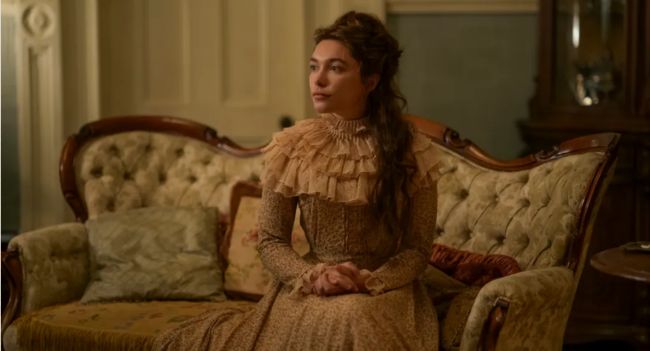
While the tragic arcs of Cathy Ames (Florence Pugh) and Charles Trask (Mike Faist) culminate in isolation and self-destruction, the series finale places the redemptive weight of the story onto the deathbed reconciliation between Adam Trask (Christopher Abbott) and his surviving son, Cal (Joseph Zada).
The Climax: Rejection, Ruin, and the Deathbed Blessing

The generational tragedy reaches its breaking point when Cal, bitter over his father’s perceived favoritism, exposes the family’s darkest secret to his twin brother, Aron (Joe Anders): their idealized, “deceased” mother is alive and running a Salinas brothel under the name Kate.
-
Aron’s Destruction: Unable to reconcile his rigid moral purity with the reality of Cathy’s existence, Aron enlists in the military to escape the family name and is killed overseas.
-
Adam’s Stroke: The news of Aron’s death shatters Adam physically and mentally, inducing a debilitating stroke that leaves him bedridden and mute.
-
Cal’s Guilt: Crushed under the belief that he is directly responsible for his brother’s demise, Cal internalizes the idea that he has inherited the irreversible “curse of Cain.”
-
Lee’s Intercession: As Cal sits weeping beside his dying father, Lee (Hoon Lee) intervenes, begging Adam to release his son from the crushing weight of ancestral guilt and paternal judgment.
Gathering his final breath, Adam breaks the cycle of generational cruelty with a single word to Cal: “Timshel.”
Generational Mirror: Damnation vs. Free Will
The contrasting fates of the central figures highlight Steinbeck’s central question: Are we condemned by our lineage, or do we possess the power to choose?
| Character | Archetype / Fate | Resolution to the “Cain” Conflict |
| Cathy Ames (Florence Pugh) | Innate / Cultivated Sociopathy; dies by suicide after her sons reject her. | Surrender to Shame: Convinced humanity is entirely corrupt, she cannot survive the mirror of her sons’ revulsion. |
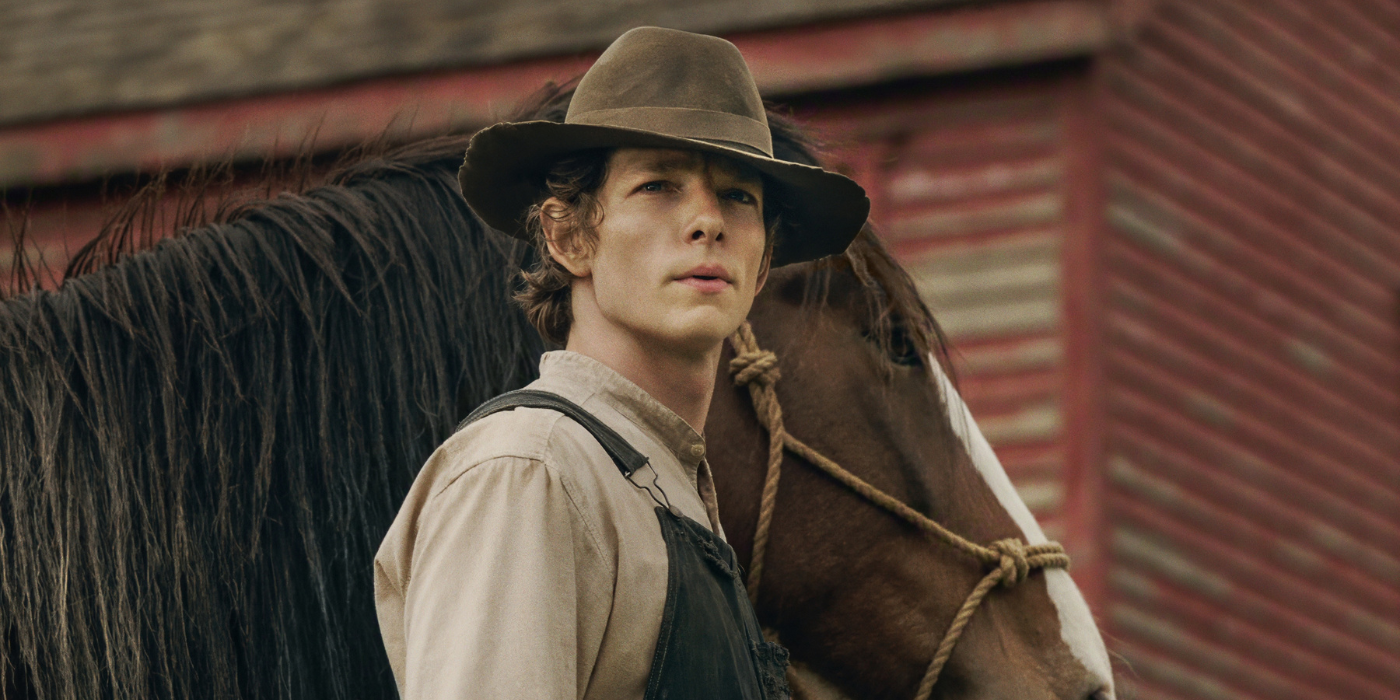
| Charles Trask (Mike Faist) | The spurned brother; dies isolated and depressed on the Connecticut farm. | Trapped by Resentment: Despite wrestling with his darker impulses and trying to do good, he remains haunted by his betrayal of Adam. |
| Adam Trask (Christopher Abbott) | The righteous patriarch who blinded himself to darkness. | Redemptive Grace: Acknowledges the reality of moral struggle and bestows the freedom of choice upon his son. |
| Cal Trask (Joseph Zada) | The surviving son battling inherited cruelty and jealousy. | Liberation Through Timshel: Freed from predestined evil, granted the moral agency to choose goodness. |
The Cast on Filming the Final Moments
For Christopher Abbott, concluding six months of production with Adam’s final breath proved to be a rare chronological alignment:
“It was naturally poetic. After working on this thing for six months, it all culminated in this nice moment. On a technical level, it’s a nice, long scene and I have one line, which is sometimes harder to do. But it was nice to be in that room and just listen to Hoon read scripture. It was easy to believe what was happening in that moment; I didn’t have to use my imagination too much.”
Meanwhile, Mike Faist reflected on the tragedy of Charles and the painful reality of wrestling with innate flaws:
“Throughout his life, Charles is really trying to be good. This idea that you’re born with innate badness; having to wrestle and deal with that shame—what does that look like? To me, the story felt very honest and that’s always really exciting as an actor.”
By concluding on Timshel, Kazan’s adaptation leaves viewers not in the shadow of Cathy and Charles’s destructive bond, but in the luminous possibility of human redemption: original sin is an inheritance, but it is never destiny.