Congratulations!
You've earned 1 point
Brian May Reveals Freddie Mercury Initially Resisted the Guitar Solo That Became One of Queen’s Most Beloved Moments
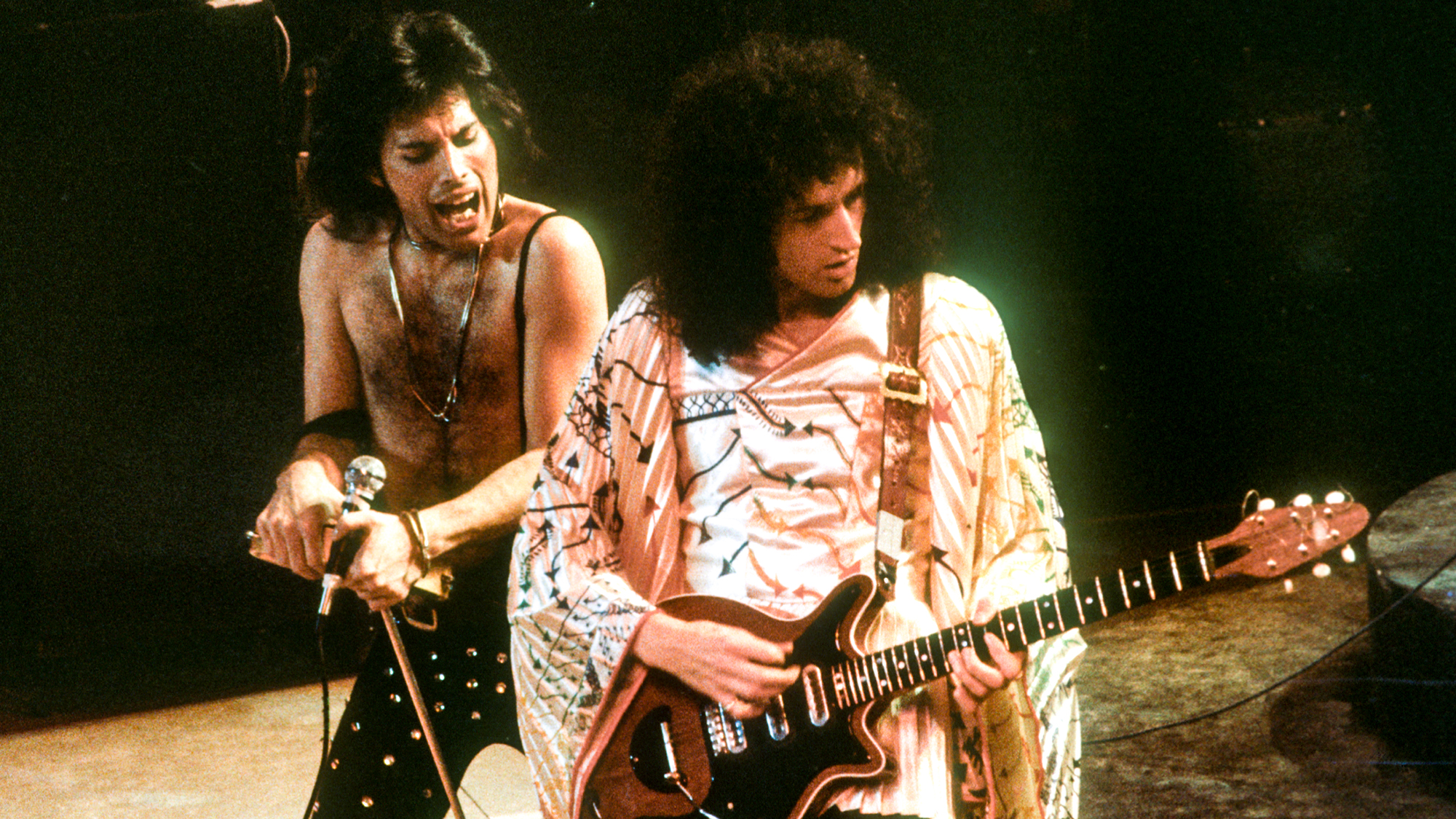
Queen’s music was often born from creative disagreement, and according to Brian May, one of the band’s most recognizable guitar moments nearly disappeared because Freddie Mercury had a very different vision for the song.
The track was “Don’t Stop Me Now,” Mercury’s explosive piano-driven anthem from Queen’s 1978 album Jazz.
Today, May’s guitar solo feels inseparable from the recording. But when Queen were building the song in the studio, Mercury initially wanted the arrangement to remain dominated by piano and vocals — leaving little room for May’s Red Special.
May eventually convinced him otherwise.
And decades later, the guitarist says the reaction he still sees from audiences tells him they made the right decision.
Freddie Mercury saw ‘Don’t Stop Me Now’ as a piano song
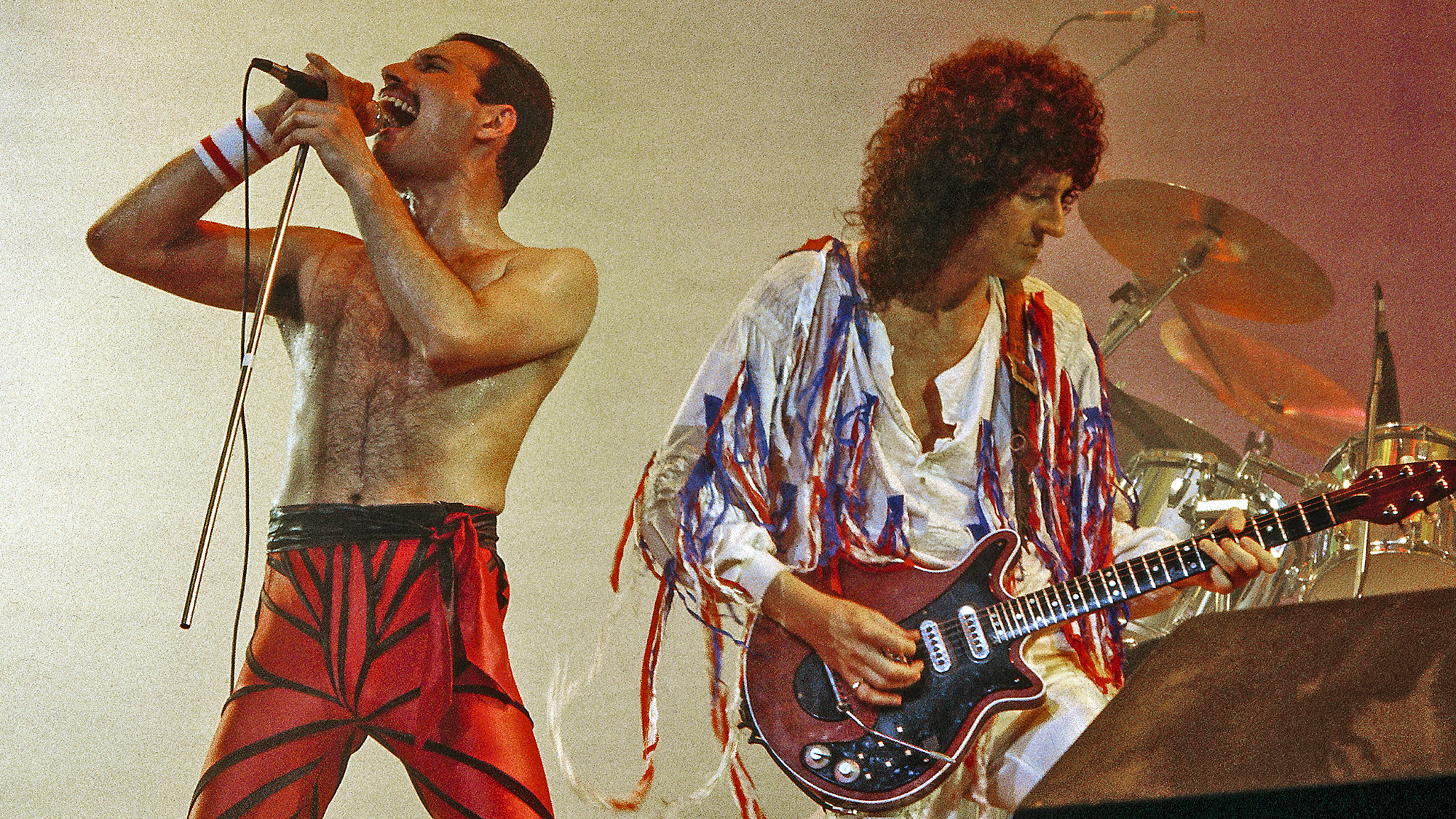
Speaking to Total Guitar, May recalled that Mercury had a clear idea of what “Don’t Stop Me Now” should sound like.
“Freddie envisioned it very much as a piano song, akin to Elton John, really,” May said.
The formula Mercury heard was straightforward: powerhouse piano combined with powerhouse vocals.
May nevertheless experimented with rhythm guitar during the sessions, only to encounter resistance from Mercury.
“No, no, no, no — it’s a piano song!” May remembered his bandmate insisting.
That disagreement reflected something fundamental about Queen’s creative process. The members brought strong individual ideas into the studio, but those ideas could evolve as they heard what everyone else contributed.
Rather than abandoning his instinct completely, May asked Mercury for room to experiment.
“It’s the way we thought about things,” he explained. “I said, ‘Okay, give me a verse, and let me see what I can do.’”
Mercury eventually realized the song needed Brian May
As the arrangement developed, Mercury’s position began to change.
He ultimately conceded that the song could benefit from a guitar solo and gave May space to take over where the vocal stepped aside.
That opening became the moment May needed.
Instead of approaching the solo as a display of technical guitar playing, he thought about it melodically.
May said he could effectively hear the part in his head before he even picked up the guitar.
For him, the solo functioned almost like another voice entering the song.
May heard the solo as a melody before playing it

May described the guitar passage as a “little diversion” from the song’s central melody.
Rather than simply reproducing Mercury’s vocal line on guitar, he created a countermelody — something separate that could coexist with the original tune.
“It’s not the actual tune of the verse,” he explained. “But it’s something which goes with it, a sort of counterpoint.”
The crucial detail was that May could sing the melody he imagined.
Once he had that musical phrase in his mind, his job was essentially to translate the sound of that imaginary voice onto the guitar.
That approach became one of the defining characteristics of May’s playing throughout Queen’s career.
His solos frequently behave less like conventional guitar showcases and more like additional vocal parts, using bends, sustain and carefully shaped melodies to give the instrument an almost human quality.
The audience reaction ultimately proved May’s instinct right
May remains surprisingly modest about the finished solo.
“It’s very simple,” he admitted, even saying that he sometimes feels “a bit apologetic” about its simplicity.
But there is one thing he has noticed whenever “Don’t Stop Me Now” is played publicly.
People react.
May said that when the track comes on in a dancehall, the guitar solo noticeably lifts the crowd and pushes the energy even higher.
That is particularly impressive considering “Don’t Stop Me Now” is already one of Queen’s most relentlessly energetic recordings.
The reaction has left May satisfied with the decision he fought for in the studio.
“I’m happy with it the way it is,” he said.
Creative friction was part of the Queen formula
The story also offers another glimpse into the creative relationship between Mercury and May.
Their disagreement wasn’t necessarily evidence of dysfunction. Instead, that kind of push-and-pull was embedded in how Queen developed songs.
Mercury could arrive with a strong vision for a composition, while May might hear possibilities for the guitar that weren’t originally part of it.
The studio became the place where those competing instincts could be tested.
With “Don’t Stop Me Now,” Mercury’s original piano-centered concept largely survived. The recording remains driven by his vocal performance and powerful piano playing.
But May’s solo gives the song another dimension without overwhelming that original vision.
The result is effectively a compromise — and one that became a defining part of the finished recording.
The Red Special helped give May his unmistakable voice
The melodic quality of May’s playing was also inseparable from the unconventional equipment behind it.
At the center was his homemade Red Special, the guitar he constructed with his father, Harold May.
Combined with a Treble Booster driving Vox AC30 amplifiers, the instrument helped create the rich, sustaining sound that became instantly identifiable on Queen recordings.
Even May’s choice of guitar pick was unusual.
Rather than relying on a conventional plastic pick, he became famous for playing with an old British sixpence coin.
Together, those elements gave him a tone capable of moving between aggression and almost vocal-like expressiveness — precisely the qualities required for the countermelody he imagined on “Don’t Stop Me Now.”
A Queen classic that might have sounded very different
More than four decades after Jazz arrived, it is difficult to imagine “Don’t Stop Me Now” without May’s guitar cutting through Mercury’s piano-powered arrangement.
Yet the finished recording demonstrates how easily famous musical moments can emerge from disagreements that happen behind studio doors.
Mercury initially heard a piano song.
May heard somewhere the guitar needed to speak.
Instead of one musician simply winning the argument, Queen allowed the arrangement itself to determine the answer.
And every time a crowd responds when that guitar solo arrives, May receives another reminder that trusting his instinct was worth pushing back for.