Dept. Q Ending Explained: The Truth Behind Merritt Lingard’s Disappearance
Warning: This article contains major character and plot details from Dept. Q.
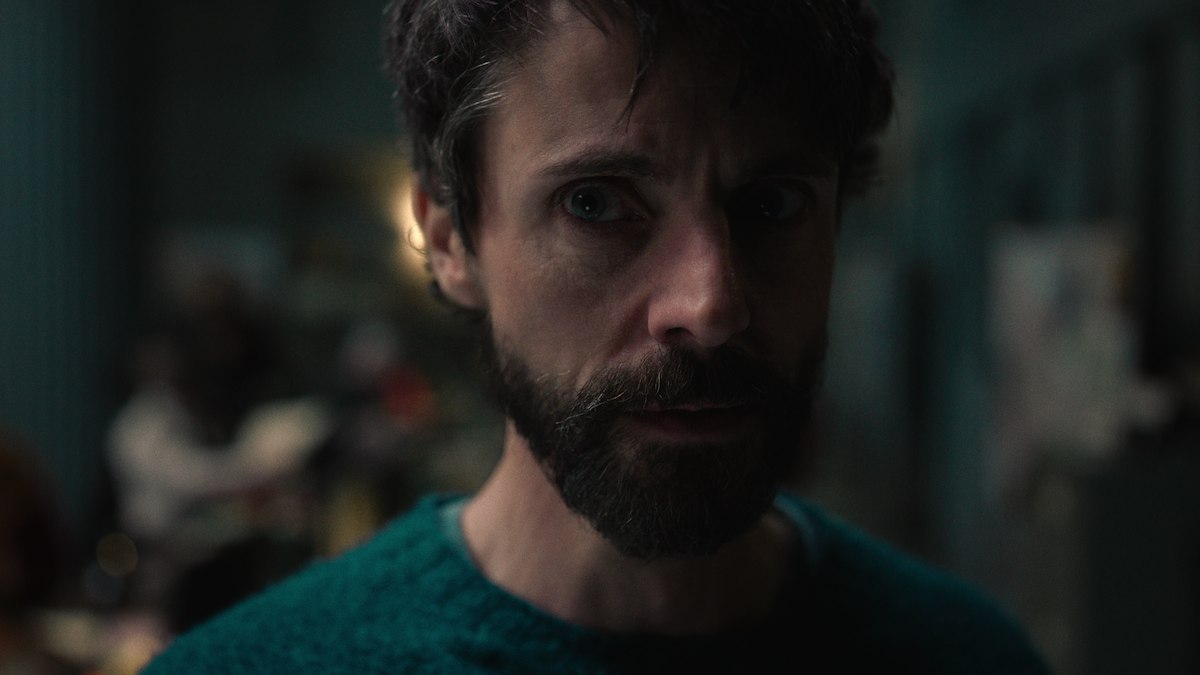
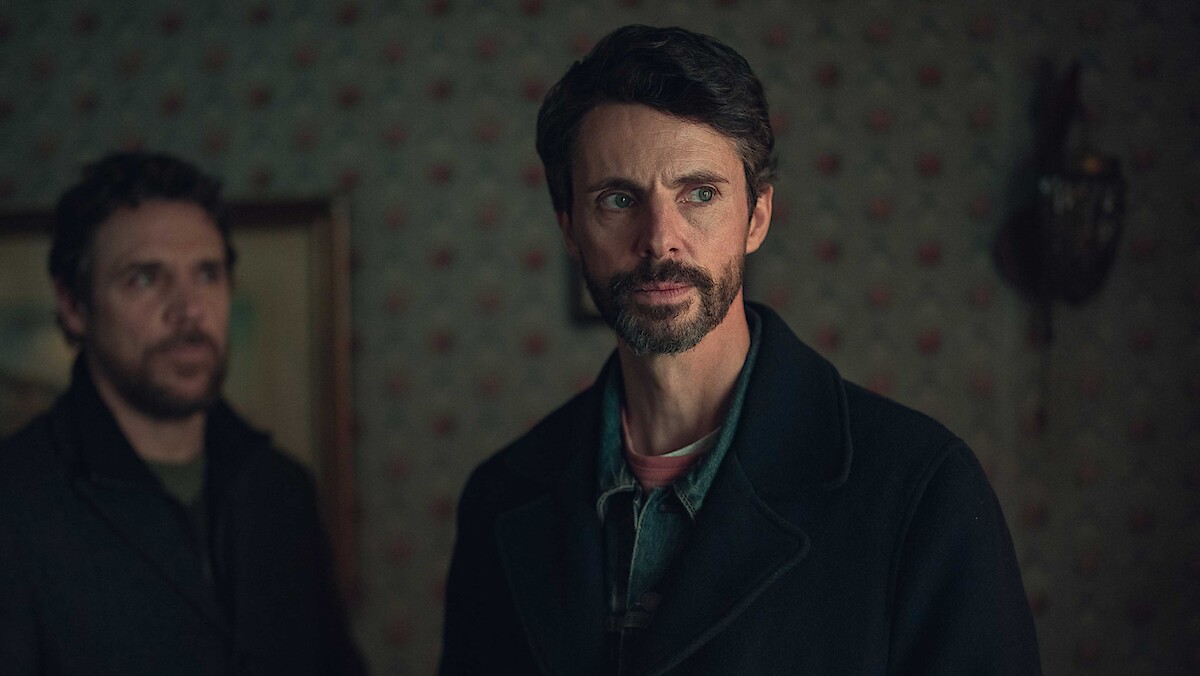
When DCI Carl Morck (Matthew Goode) is handed control of Edinburgh’s newly created Department Q, he has little interest in solving cold cases. The unit is largely intended as a public-relations move for a police department under pressure, while Morck himself is still recovering from a devastating shooting that left his partner James Hardy (Jamie Sives) paralyzed.
But the reluctant detective soon finds himself drawn into a four-year-old mystery that refuses to stay buried.
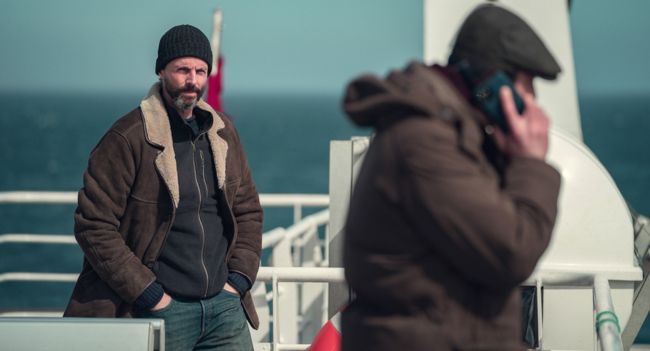
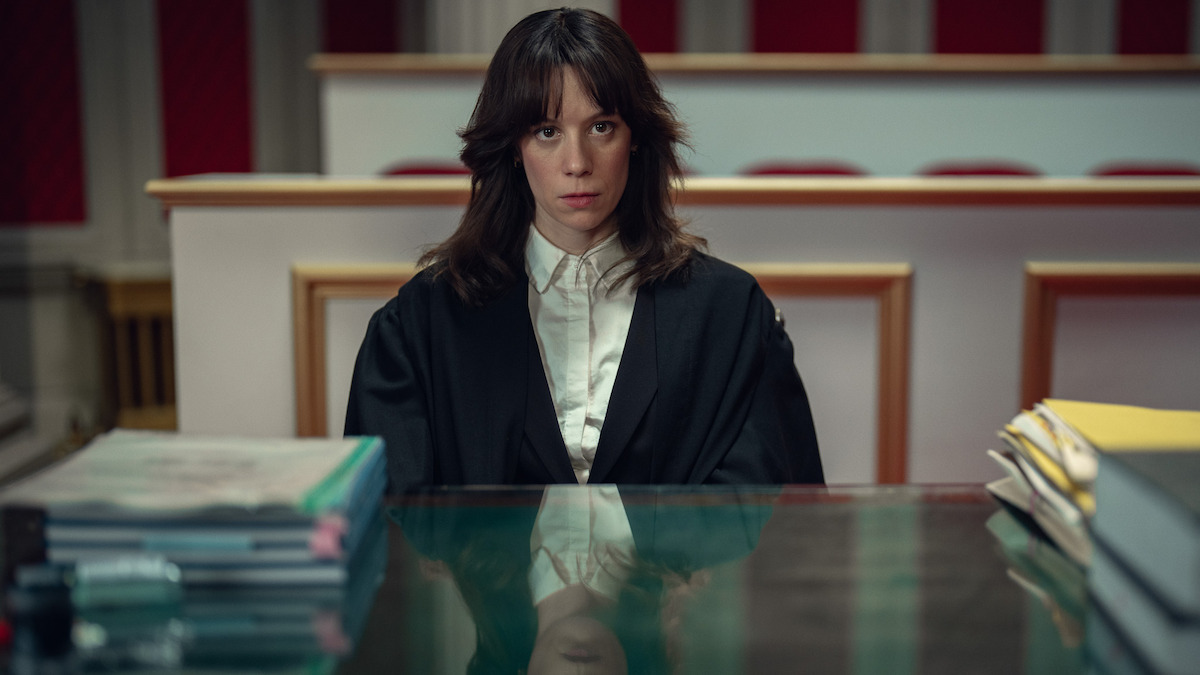
The case centers on Merritt Lingard (Chloe Pirrie), a respected local solicitor who disappeared while traveling on a ferry with her disabled brother, William (Tom Bulpett). With no body ever recovered, questions have lingered over whether Merritt fell overboard, was pushed, or somehow became involved in her own disappearance.
As Morck begins digging, he assembles an unconventional team that includes Constable Moira Jacobson (Kate Dickie), IT specialist Akram (Alexej Manvelov) and Detective Constable Rose Dickson (Leah Byrne). What begins as an unwanted assignment gradually becomes the case that gives Department Q its purpose.
Why was Morck shot?
Dept. Q opens with Morck and his partner James Hardy responding to a reported crime scene. The situation quickly turns into an ambush. Both officers are shot, but while Morck survives, a rookie police officer is killed and Hardy is left paralyzed.
The shooting continues to haunt Morck throughout the series. He struggles with PTSD and survivor’s guilt and regularly sees Dr. Rachel Irving (Kelly Macdonald), though therapy does little to settle his mind.
The series never gives a definitive answer about who shot Morck and what their exact motive was. However, Morck eventually develops his own theory.
He believes two criminals were responsible for the shooting as part of a distraction designed to conceal the real objective: the killing of the young police officer. The police had been drawn to the location after receiving a report from a nonexistent daughter of the victim, suggesting that the entire incident had been carefully constructed as a trap.
Morck reasons that if the shooting had simply been intended to kill him and Hardy, the attackers would have had little reason to flee while the two officers were still alive. Instead, the gunfire may have been part of a larger deception.
Sharing the theory gives Morck at least some measure of the peace he has been searching for. By the end of the series, Jacobson assigns Hardy to investigate the facts behind Morck’s theory.
What really happened to Merritt Lingard?
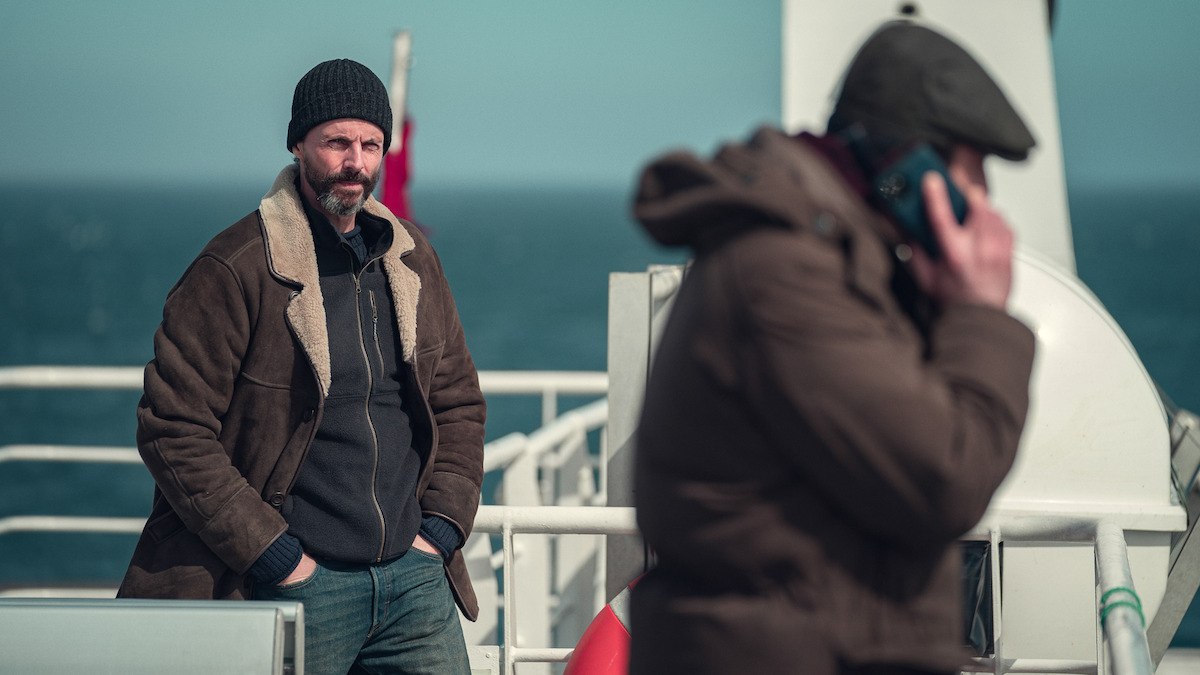
Merritt’s disappearance initially appears to have a straightforward explanation. She vanished during a ferry trip with William, and witnesses saw the siblings arguing shortly before she disappeared.
But Akram quickly becomes convinced that something does not add up. Merritt’s body was never found, and as a successful solicitor, she had handled cases that could have created enemies.
The investigation produces a number of possible leads.
William, who is nonverbal, repeatedly draws a mysterious bird wearing a hat. The team initially believes the image is a boobrie, the name of a boat belonging to Merritt and William’s father, Jamie. They later discover that the bird is actually a cormorant.
The detectives also investigate Merritt’s professional life, particularly her connection to Lord Advocate Stephen Burns (Mark Bonnar) and wealthy businessman Graham Finch (Douglas Russell).
Before she disappeared, Merritt had been the lead prosecutor in the case against Finch, who was accused of murdering his wife. She failed to secure a conviction, and Morck and Akram discover evidence suggesting Burns pressured her not to call a witness who might have strengthened the prosecution.
Finch responds by sending men to intimidate Morck’s stepson Jasper (Aaron McVeigh), making him appear increasingly suspicious.
But Finch and Burns turn out to be distractions. Finch is a murderer and Burns is corrupt, yet neither man is responsible for Merritt’s disappearance.
The real answer is connected to someone much closer to the mystery.
Who was Sam Haig?
Morck and Dickson eventually uncover Merritt’s relationship with journalist Sam Haig (Steven Miller), a man who had approached her about corruption within her department.
There is one major problem: Haig is dead.
As the detectives investigate his final days, they discover that Haig had been conducting another affair at the same time. His movements make it impossible for him to have been with Merritt when she believed he was.
The man Merritt knew as Sam Haig was actually an impostor.
That discovery leads Department Q back to the history of Merritt’s family and the mysterious circumstances surrounding William’s disability.
Years earlier, Merritt had been involved with Harry Jennings (Fraser Saunders), a local teenager who was eventually blamed for an assault that left William nonverbal. The truth, however, was darker: Harry’s antisocial brother, Lyle, was actually responsible for beating William.
Merritt herself had helped plan an attempted robbery involving the brothers. Their intention was to steal jewelry belonging to her mother so she could escape her isolated island life. The robbery went wrong, and Harry died while trying to escape the police.
Lyle and his mother blamed Merritt for Harry’s death.
The shocking truth behind Merritt’s captivity
The investigation eventually reveals that everything connects back to Lyle Jennings and Sam Haig.
Lyle and Haig had known each other as children while living at an institution for troubled boys. Lyle became attached to Haig and even called himself by Haig’s brother’s name.
Years later, the two crossed paths again.
Lyle killed Haig and disposed of his body at a local climbing spot. He then assumed Haig’s identity, allowing him to begin a relationship with Merritt.
That relationship ultimately became the key to her disappearance.
Lyle kidnapped Merritt and imprisoned her in a hyperbaric chamber located on the grounds of the Jennings family’s shipping company, Shorebird Ocean Systems. The company’s cormorant logo provides another crucial connection to William’s drawings.
Most disturbingly, Merritt has spent the past four years trapped and tortured inside the chamber.
How does Department Q rescue Merritt?
Finding Merritt is only half the battle. Morck and Akram now have to figure out how to release her from the hyperbaric chamber without killing her.
Hardy, still recovering from his injuries, helps them remotely by talking them through the controls over the phone.
But before they can safely free Merritt, Lyle arrives.
The confrontation brings Morck’s story full circle. He takes a bullet in the shoulder while protecting Akram, who then uses his mysterious combat skills to defeat Jennings.
Mrs. Jennings escapes the scene but later shoots herself after being confronted by a police cordon.
Merritt is finally removed from the chamber alive.
She is reunited with William and begins trying to rebuild a life that was taken from her four years earlier.
What happens to Department Q?
Interestingly, Merritt never actually meets Morck. The two pass each other at police headquarters without realizing how closely their stories have become connected.
Morck, meanwhile, uses what he has learned about Burns’ corruption to negotiate a better future for Department Q.
He secures an increased budget for the unit, pushes for Akram to be promoted to full detective and even manages to get himself a better car.
The series ends on a quieter note than its darkest moments.
Back in the damp, dripping basement that houses Department Q, Morck is finally smiling as Hardy returns to work on crutches.
After everything they have endured, the team has solved its first cold case — and Department Q has finally become something more than a public-relations exercise.
Dept. Q is now streaming on Netflix.