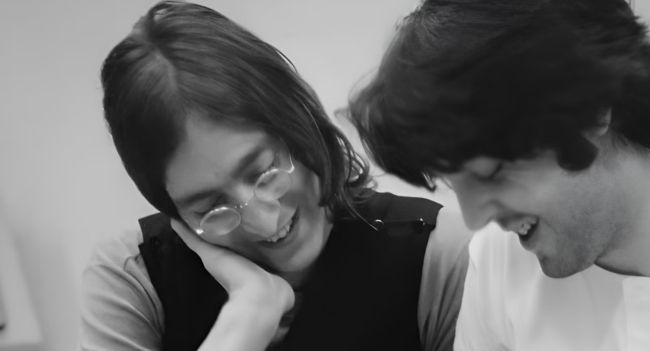
Paul McCartney Wrote The Words He Could Never Say To John Lennon — And Still Sings Them More Than 40 Years Later
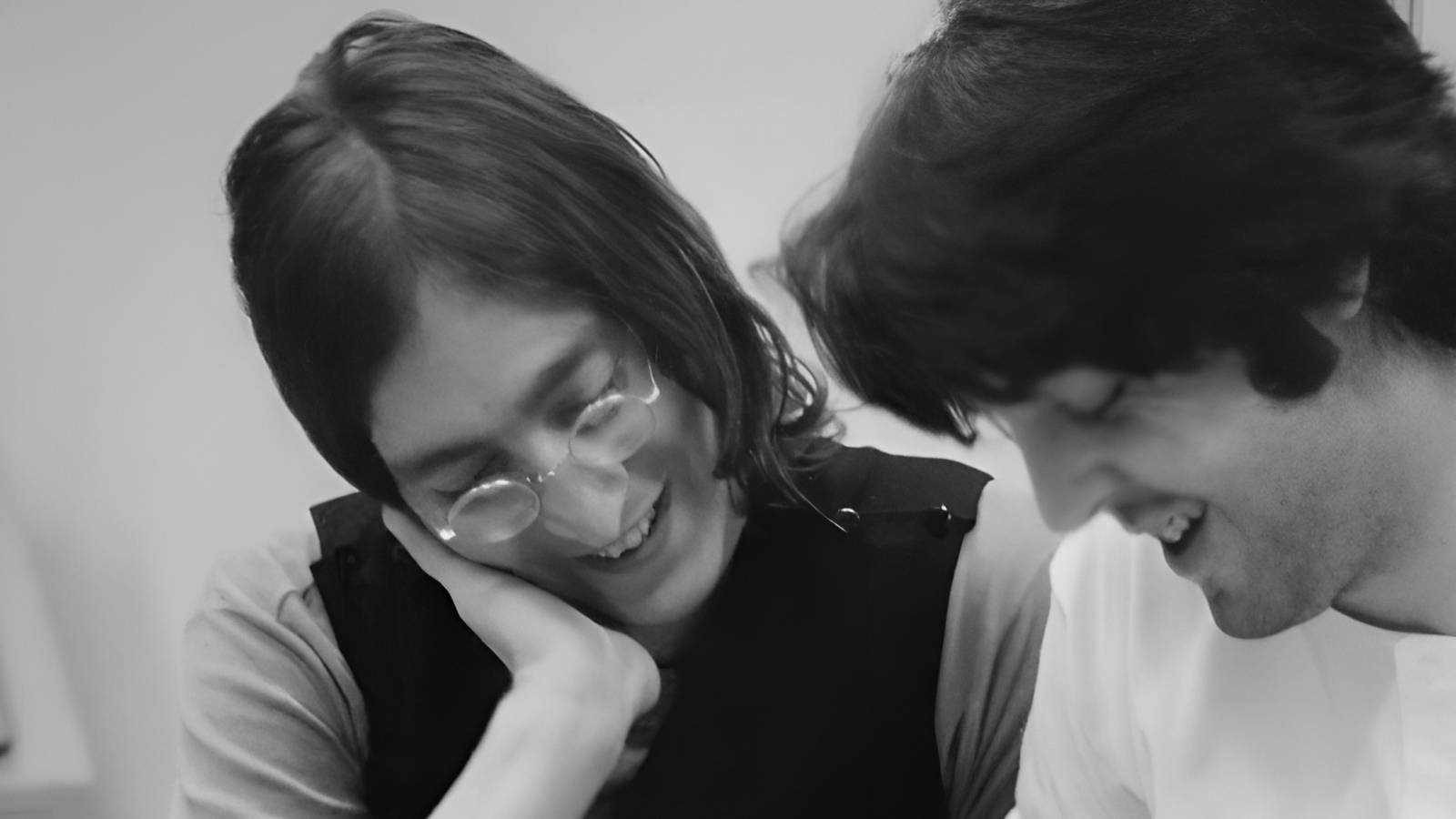
Paul McCartney never got the chance to tell John Lennon everything he wanted to say while his former Beatles partner was alive.
So after Lennon’s murder in December 1980, McCartney found another way.
Alone in an upstairs room at his home in Sussex with an acoustic guitar, he began thinking about the teenage adventures, arguments, triumphs and extraordinary years the two men had shared. Out of those memories came Here Today — a song McCartney has described as a “love song to John.”
More than four decades later, he still performs it in concert.
And behind its most emotional moment is something McCartney wishes he had been able to tell Lennon face to face.
The Reaction That Was Misunderstood Around The World
John Lennon was murdered outside his New York City home on December 8, 1980.
His death sent shockwaves around the world, but for the people who had actually known and loved him, the loss was intensely personal.
McCartney was among them.
The Beatles had broken up a decade earlier, and the difficult aftermath of their split had made the tensions between Lennon and McCartney highly public.
Their disagreements helped create an impression that the friendship that had once united them was gone.
But their relationship was far more complicated.
The former bandmates had reconciled during the mid-1970s, and behind the famous arguments remained a connection that stretched back to their teenage years.
In the immediate aftermath of Lennon’s death, however, McCartney struggled to express that grief publicly.
He went into a recording studio because, as he later explained to reporters, he “didn’t want to sit at home.”
When he emerged, journalists surrounded him looking for a reaction.
McCartney responded briefly: “It’s a drag, isn’t it? Okay, cheers.”
The remark was heavily criticized, with some interpreting his restrained response as evidence that he did not care deeply about Lennon.
The reality was very different.
McCartney Turned To Music To Process The Loss
In the period after Lennon’s death, McCartney returned to the thing that had always helped him make sense of his emotions: songwriting.
At his Sussex home, he retreated to an upstairs room with his acoustic guitar.
His thoughts turned to Lennon.
“I was remembering things about our relationship and about the million things we’d done together,” McCartney recalled in The Lyrics: 1956 to the Present.
Those memories reached far beyond their years as global superstars.
McCartney thought about the boys they had been before Beatlemania — including their teenage hitchhiking adventures — as well as everything that followed after music transformed their lives.
Together, Lennon and McCartney had formed one of popular music’s most celebrated songwriting partnerships.
Now one half of that partnership was gone.
McCartney began writing as though Lennon were still there.
‘Here Today’ Became One Final Conversation
The resulting song was Here Today.
Rather than writing a conventional tribute filled with grand statements, McCartney imagined having a conversation with Lennon.
He could tease him.
He could remember their shared past.
And, most importantly, he could finally say something that had been extraordinarily difficult for him to express when Lennon was alive.
McCartney has explained that when he and Lennon were growing up during the 1950s and 1960s, boys were often encouraged to hide vulnerability behind jokes and cynicism.
Direct expressions of affection between male friends were not something that came naturally to them.
That left McCartney with words he wished he had said.
In Here Today, he finally allowed himself to say them: “I love you.”
The admission became the emotional heart of the song.
‘I Would Never Have Said It To Him’
McCartney has spoken openly about how difficult the writing process was.
“It was very emotional, writing this song,” he recalled.
He remembered sitting alone in the bare room, thinking about Lennon and confronting the reality that his friend was gone.
“I was just sitting there in that bare room, thinking of John, and realizing I’d lost him,” McCartney explained.
“And it was a powerful loss, so to have a conversation with him in a song was some form of solace.”
Writing the song temporarily gave him the feeling that Lennon was there again.
“Somehow, I was with him again,” he said.
Then came the admission he had struggled to make during their friendship.
McCartney explained that putting his love for Lennon into the song finally allowed him to say something he “would never have said to him.”
It was too late for Lennon to hear the words directly.
But they became permanently embedded in McCartney’s music.
Their Friendship Had Survived The Beatles’ Bitter Ending
The emotional weight of Here Today also challenged the public perception of Lennon and McCartney’s relationship.
The breakup of The Beatles had been difficult.
Arguments over business, music and the group’s future spilled into public view, while comments and songs from the former bandmates fueled fascination with their feud.
Those tensions were real.
But they were not the entire story.
Lennon and McCartney had known each other since they were teenagers. They had written songs together, traveled together and experienced an extraordinary rise from young Liverpool musicians to members of the biggest band in the world.
By the mid-1970s, their relationship had softened.
Whatever bitterness had surrounded The Beatles’ breakup could not erase the history underneath it.
Lennon’s murder therefore left McCartney grieving someone who had occupied a unique place in his life.
Here Today gave that grief a voice.
The Song Arrived On ‘Tug Of War’
Here Today was released on McCartney’s 1982 album Tug of War.
Unlike many of his biggest solo songs, its power came from its intimacy.
It was not simply a memorial to John Lennon the cultural icon.
It was Paul McCartney speaking to John Lennon the friend.
That distinction has allowed the song to remain intensely personal even as thousands of fans have heard McCartney perform it over the decades.
The conversation imagined in that quiet Sussex room eventually became a conversation shared with audiences around the world.
McCartney Still Returns To John Onstage
Decades after writing it, McCartney continues to give Here Today a special place in his concerts.
The staging often reflects the intimacy of its origins.
The lights come down.
McCartney stands with his acoustic guitar.
And amid the enormous production of a stadium concert, the atmosphere suddenly becomes much smaller.
For McCartney, performing the song can still be difficult because the memories behind it have never disappeared.
The circumstances are very different from the day he originally wrote it.
Back then, he was alone in a room confronting the loss of his friend.
Onstage, he can be surrounded by thousands of people.
Many in the audience understand exactly who he is singing to.
Some cry along with him.
John Remains Part Of McCartney’s Musical Life
Lennon’s influence did not end with Here Today.
McCartney has continued to speak about his former songwriting partner and the way their relationship shaped his approach to music.
Their creative partnership had been so important that Lennon remained a reference point long after his death.
But few songs capture that bond as directly as Here Today.
It holds the arguments and affection together rather than pretending one side of their relationship never existed.
Two friends could fight.
They could hurt each other.
They could spend periods apart.
And McCartney could still love Lennon deeply.
The Words He Couldn’t Say Became The Ones Everyone Heard
There is a painful irony at the centre of Here Today.
McCartney wrote the song because Lennon was no longer there to hear what he wanted to tell him.
The emotional reserve of their generation had made those words difficult while they were young men standing beside each other.
After December 8, 1980, there would never be another opportunity.
So McCartney said it through music.
What started as a private moment — one grieving man sitting with an acoustic guitar and remembering his friend — eventually became one of his most personal songs.
More than 40 years later, audiences still watch McCartney return to that conversation.
The teenage friend is gone.
The songwriting partnership ended decades ago.
But every time McCartney performs Here Today, he gets to say the words again.
The words he wished he had told John Lennon when he was still here.