
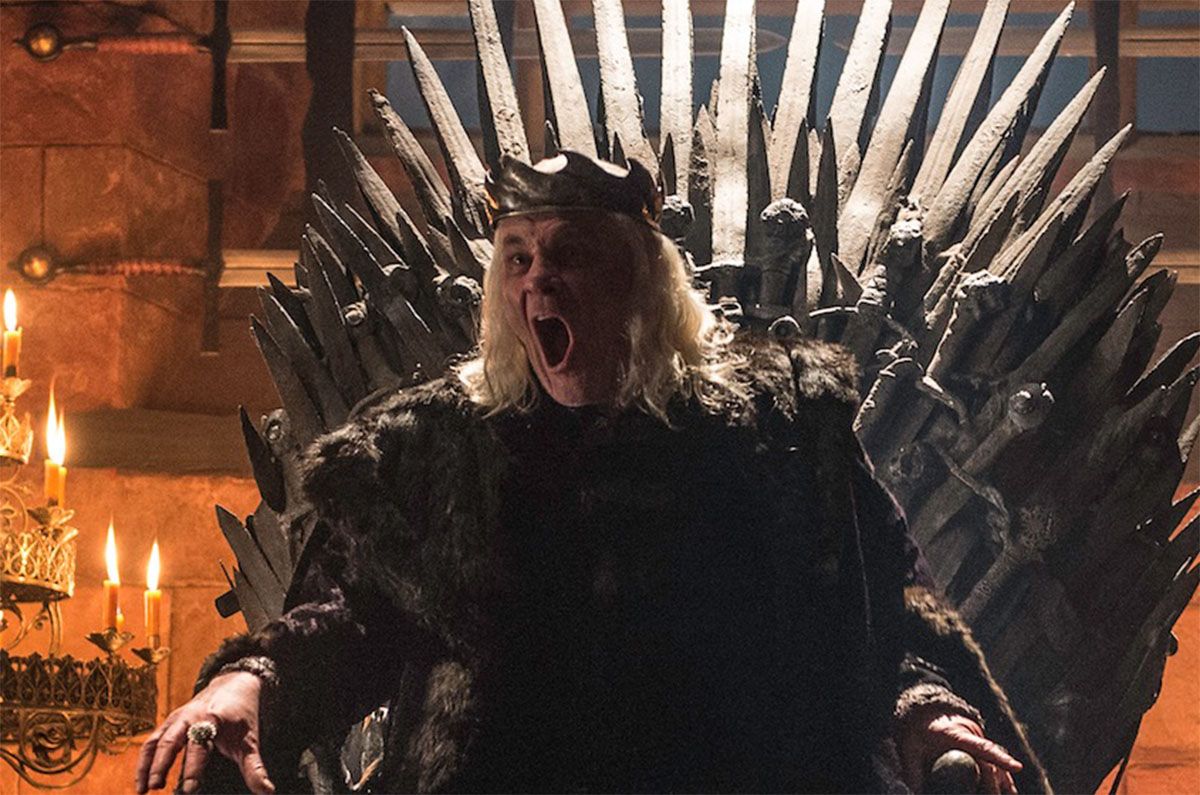
With the first preview of Game of Thrones: The Mad King receiving a standing ovation, fans immediately began debating whether the play’s revelations should be considered canon within the A Song of Ice and Fire universe. Elio García and Linda Antonsson, longtime collaborators with George R.R. Martin and co‑authors of The World of Ice and Fire, addressed the question in a new article on Westeros.org.

The canon debate
Elio and Linda noted that fans naturally turned to them for guidance, given their long involvement with Martin’s work and their role in shaping The World of Ice and Fire. They explained that while the play introduces new material, its canonical status is not straightforward. They emphasized that they have not spoken directly to George or the creative team about the specifics of the play, and therefore cannot confirm its place in the official lore.
Their disclaimer and perspective
The co‑authors stressed caution:
“Before we start, though, a disclaimer: we have not directly spoken to George or the creatives about any of the specifics of the play. And, for that matter, we will do so without discussing the substance of the play or spoiling any of its details.”
Instead, their article offers an understanding of how canon has traditionally been treated in Martin’s world — with the novels as the core, and other works (like companion books or adaptations) existing in varying degrees of authority.
Why this matters for fans
Elio García and Linda Antonsson’s article makes clear that Game of Thrones: The Mad King is not automatically canon to A Song of Ice and Fire. They stress that the novels remain the core canon, while plays and adaptations may be treated as “secondary” unless George R.R. Martin himself explicitly confirms otherwise.
The question of canon is central to how fans interpret new material. If The Mad King is considered canon, its revelations could reshape how readers view the Targaryen dynasty and the events leading up to Robert’s Rebellion. If not, it remains a creative expansion, enriching the universe without altering the “official” record. Either way, the play’s debut underscores the enduring fascination with Westeros and the hunger for new stories set in Martin’s world.