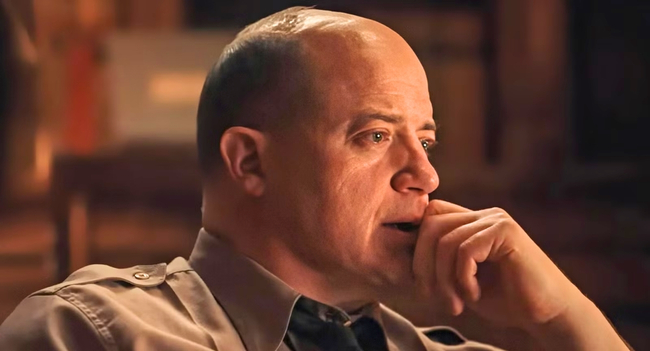
World War II has inspired countless films, with the first movies about the conflict arriving soon after the war began. Yet the sheer scale of the conflict continues to leave room for stories that approach it from unexpected angles. With so many countries, military leaders, and theaters of war involved, filmmakers can still find fresh ways to examine what a war movie can be, particularly when the genre moves beyond the battlefield.
That is where Pressure stands out. Based on the stage play of the same name, the 100-minute chamber thriller focuses on one of the most consequential moments in the planning of D-Day, the Allied operation that changed the course of World War II and helped turn the war against Nazi Germany.
Rather than depicting soldiers fighting on the beaches of Normandy, Pressure takes viewers behind closed doors, where military officials and advisors had to determine whether the invasion could safely go ahead. The film centers on the research, debate, and uncertainty surrounding that decision, while emphasizing just how close D-Day came to becoming a disaster.
‘Pressure’ Takes World War II Out of the Battlefield
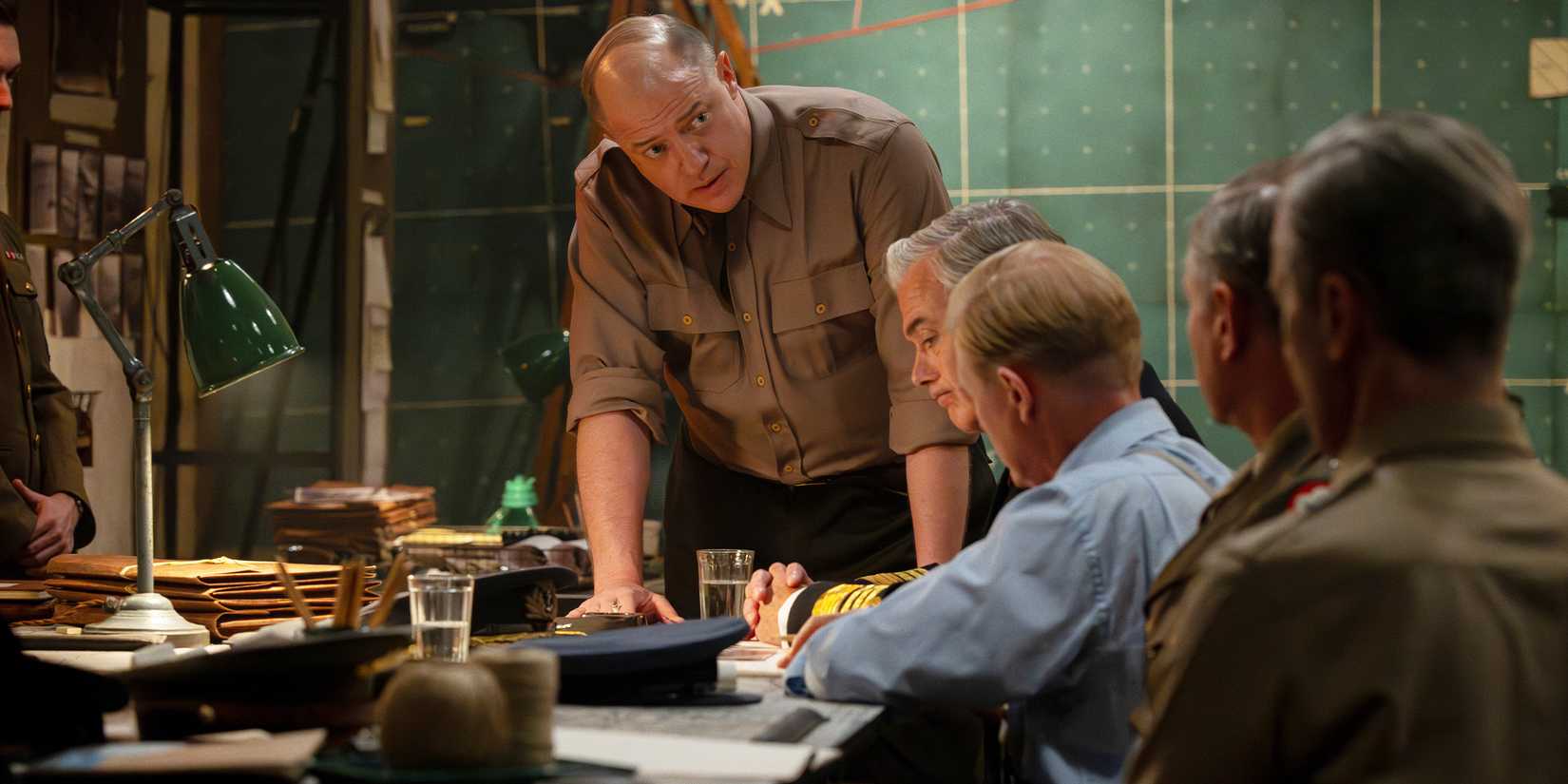
Before becoming President of the United States, Dwight Eisenhower served as the supreme commander of the U.S. military during World War II and ultimately led the Allied Forces.
Brendan Fraser portrays Eisenhower as he assembles a trusted group of military officers and advisors to help ensure the D-Day operation succeeds. Among them is RAF Group Captain James Stagg, played by Andrew Scott, a Scottish meteorologist tasked with producing a weather forecast for the planned invasion.
At first, Eisenhower treats the weather forecast as a necessary precaution. Stagg, however, believes the conditions could be far more serious. His instincts point toward a storm that could make a seaborne invasion impossible.
That conflict gives Pressure its central tension. The characters are attempting to make an irreversible decision while working with incomplete information and circumstances they cannot control. Fraser and Scott are both recognizable actors, but their performances are understated enough that they disappear into Eisenhower and Stagg.
The result is a tightly contained thriller that offers considerably more than a conventional history lesson.
Different Perspectives Drive the Tension
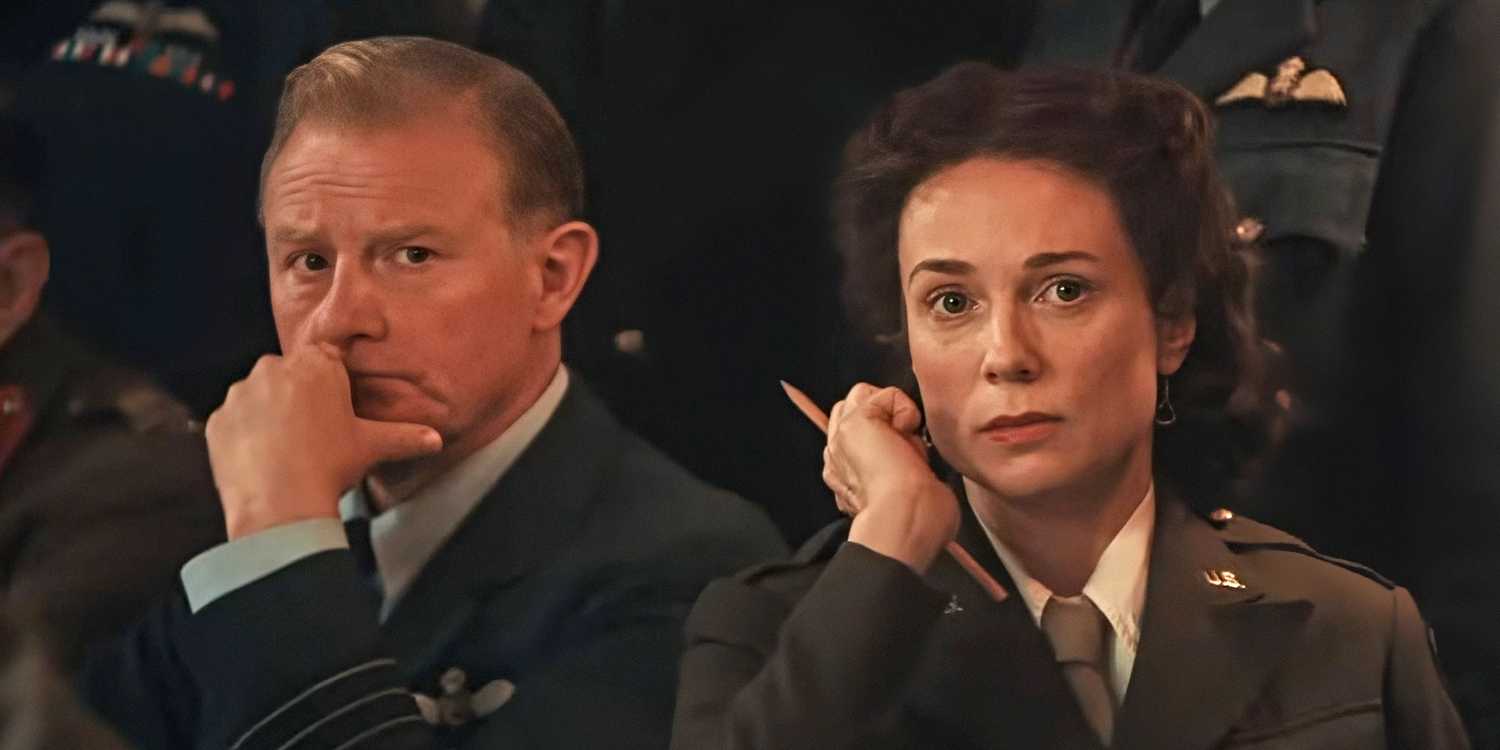
World War II provides rich material for drama because military leaders from different countries had to work together toward a single strategy, despite differences in culture, experience, and military protocol.
Eisenhower has established relationships with English MTC First Lieutenant Kay Summersby, played by Kerry Condon, British Army General Bernard Montgomery, played by Damian Lewis, and USAAF Colonel Irving P. Krick, portrayed by Chris Messina.
Stagg, by contrast, is presented as an outsider. He is a meteorologist before he is a military figure, and he is not accustomed to the formalities of military life. His early interactions with the other officers create friction, particularly because Krick is already a trusted ally of Eisenhower.
That tension becomes especially important when Stagg and Krick disagree over how to predict the weather.
Krick relies heavily on his previous experience with comparable weather conditions, looking for patterns that can help him anticipate what is coming. Stagg takes a broader approach, drawing on a larger collection of data and considering information that might otherwise be overlooked.
Neither approach can offer certainty. The technology available at the time was far less sophisticated than modern forecasting systems, meaning the final decision ultimately involved a significant degree of judgment and guesswork.
Their disagreement is therefore more than a professional dispute. Stagg feels that his expertise is being questioned and struggles to understand why Eisenhower has brought in another advisor when Krick has already earned the General’s trust.
Because each major figure has a credible reason for seeing the situation differently, Pressure presents the D-Day planning process as a genuine clash of perspectives rather than a simple battle between right and wrong.
Brendan Fraser Brings a Personal Dimension to Eisenhower
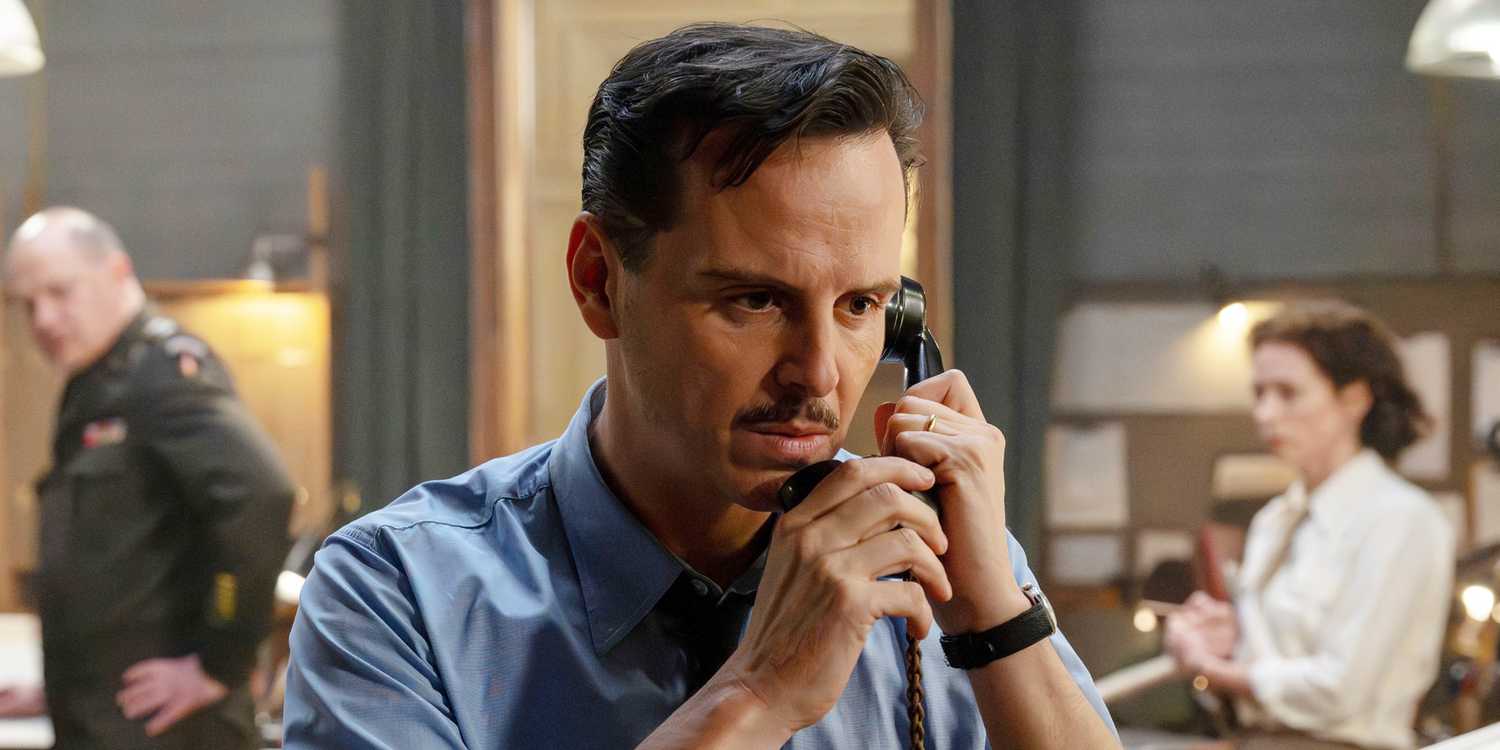
Fraser gives Eisenhower a performance that emphasizes where the General stood at this particular point in his career.
The character could easily have been portrayed as an angry, battle-hardened commander determined to launch the invasion at any cost. Instead, Fraser emphasizes the personal burden Eisenhower carries. He knows that the decision could determine whether thousands of his men live or die, and he feels responsible for those consequences.
That responsibility becomes one of the film’s most important themes because the final decision ultimately rests with Eisenhower.
As Stagg comes to respect him, he also becomes increasingly determined to make sure Eisenhower’s strategy is based on the best information available. Yet Eisenhower never comes across as someone who dismisses science simply to assert his authority.
His willingness to move forward with D-Day is shaped by another calculation: delaying the liberation of Europe would mean allowing fascist rule to continue and could ultimately result in even greater loss of life.
A Strong Stage-to-Screen Adaptation
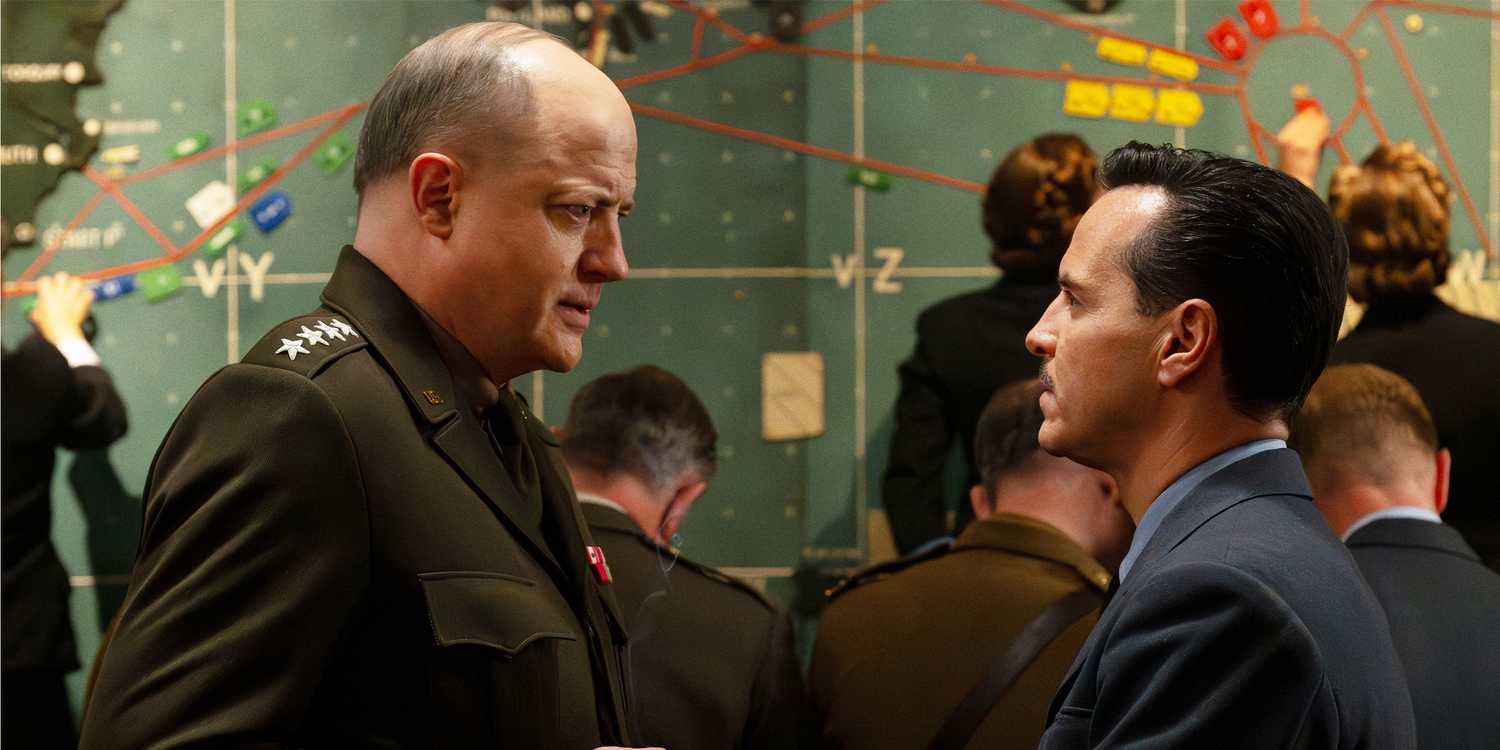
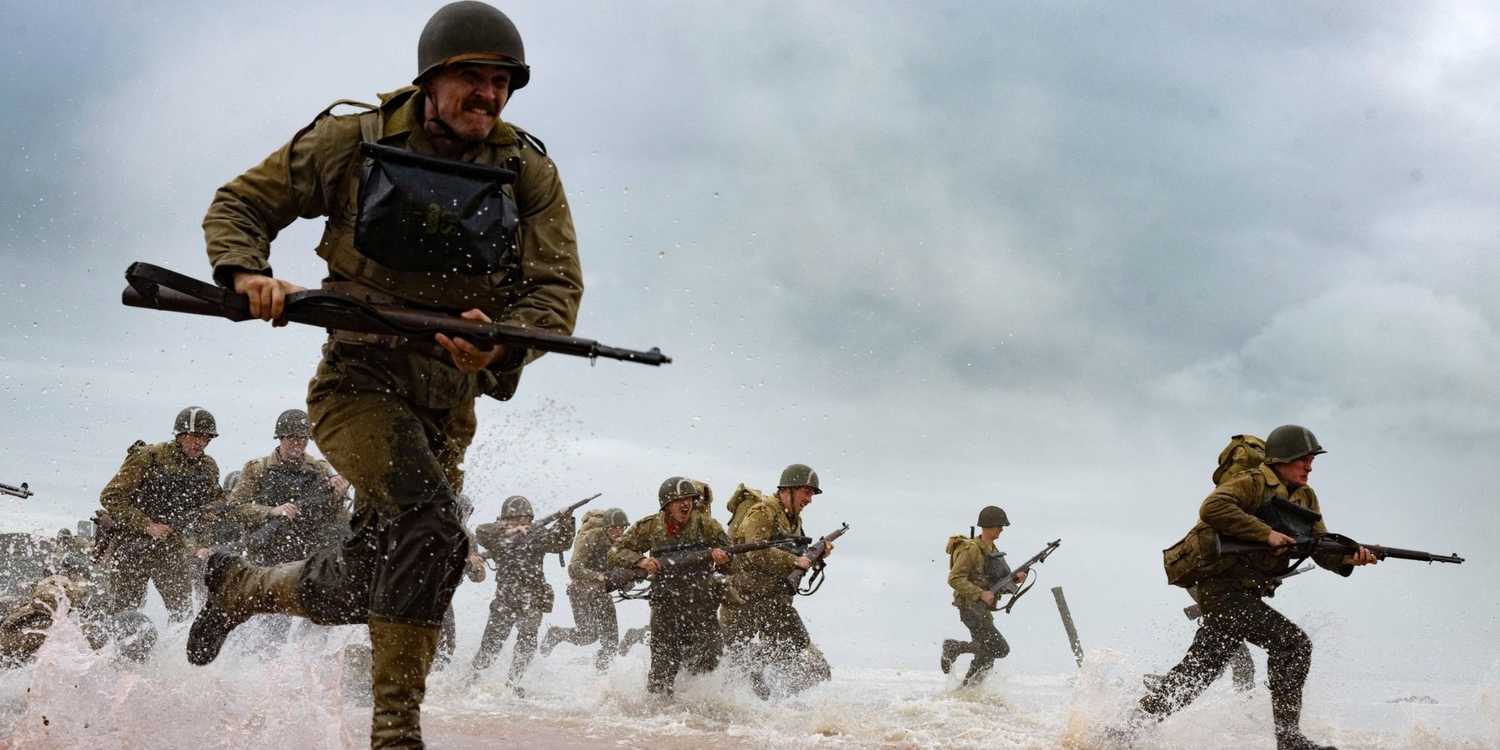
Pressure works as a companion to the many World War II movies that portray the D-Day invasion itself. Those films show the enormous scale and danger of the operation from the battlefield. This film instead examines the anxiety of the people who had to watch events unfold from a distance after making the decision that set them in motion.
The original stage play faced the unusual challenge of condensing an enormous conflict into a handful of intense moments. The film retains that concentrated sense of pressure while taking advantage of the cinematic form.
Its confined, claustrophobic sequences create much of the tension, but Pressure also manages to convey the larger scale of the conflict beyond those rooms.
By focusing on the people responsible for deciding whether D-Day could proceed, the film finds a compelling new perspective on one of the most familiar events of World War II. It shows that the battle was not only fought on the beaches. Before the first troops landed, an equally consequential struggle was taking place among the people trying to predict the unpredictable.