
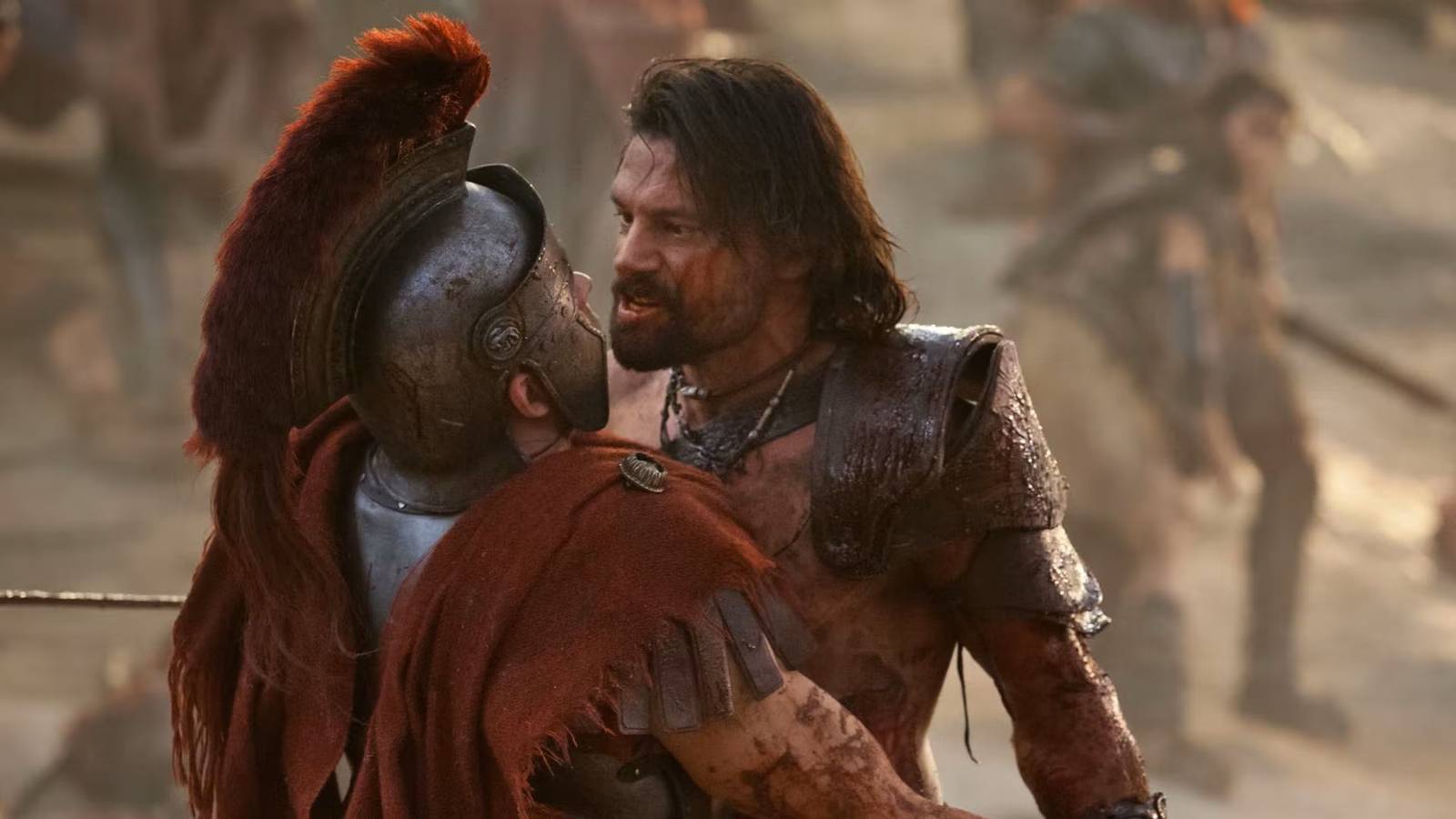
Fans of Spartacus, Gladiator and historical war dramas may have overlooked one of Netflix’s most compelling ancient-world series.
With savage battlefield confrontations, divided loyalties and an uprising against the mighty Roman Empire, the German historical drama Barbarians delivers the kind of gripping spectacle that made Spartacus so memorable.
Yet despite earning an impressive 86% critics’ score on Rotten Tomatoes, the two-season series has never enjoyed quite the same widespread recognition as its better-known rivals.
Running for just 12 episodes, Barbarians offers a relatively short but intense historical adventure, combining political intrigue, personal betrayal and large-scale warfare with an unusually strong commitment to period detail.
A Forgotten Netflix Epic Set During Rome’s Expansion
Released in 2020, Barbarians transports viewers to Germania Magna in 9 A.D., when the Roman Empire was attempting to consolidate its control over Germanic territories.
At the center of the story is Arminius, played by Laurence Rupp, a German-born warrior who was taken to Rome as a child hostage and raised within the Roman military system.
His upbringing places him in an impossible position.

He understands Roman customs, military tactics and political ambitions, but his origins connect him to the Germanic tribes suffering under imperial occupation.
As tensions intensify, Arminius must confront a fundamental question of loyalty: whether to remain faithful to the empire that raised him or stand beside the people from whom he was taken.
His eventual involvement with the Cherusci tribe sets the stage for a dangerous rebellion against one of the ancient world’s most powerful armies.
The premise shares a compelling similarity with Spartacus, whose central character also leads an uprising against Roman authority.
But while Spartacus focuses on gladiators and enslaved rebels, Barbarians explores resistance through tribal alliances, cultural identity and military strategy.
The Battle That Changed Roman History
One of the series’ greatest strengths is its treatment of the Battle of the Teutoburg Forest.
The historic confrontation saw Germanic forces ambush a large Roman army in one of the empire’s most consequential military defeats.
The battle involved roughly 15,000 Roman soldiers and became a defining moment in the struggle for control of the region.
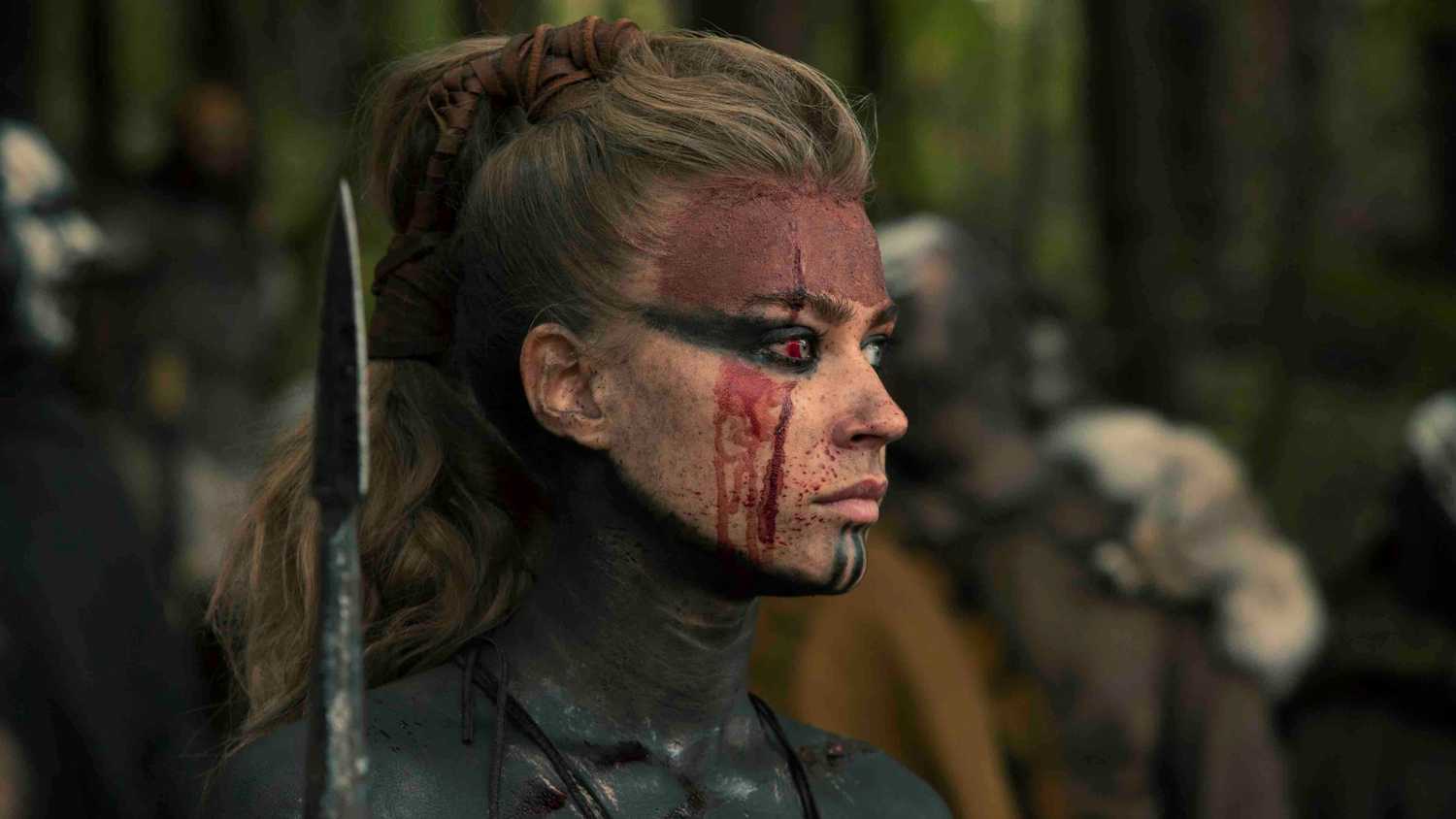
Rather than treating warfare as a simple backdrop, Barbarians builds much of its dramatic tension around the events leading toward this confrontation.
The show emphasizes the competing loyalties, political maneuvering and difficult choices that make armed resistance possible.
Its battle sequences are brutal and visually ambitious, with dense forests, heavy armor and close-quarters combat creating a distinctly oppressive atmosphere.
The result feels closer to a cinematic historical epic than a conventional television drama.
Why Barbarians Feels More Authentic Than Many Roman Dramas
Historical authenticity is another reason Barbarians stands apart from similar productions.
The series makes a deliberate distinction between Roman and Germanic characters through language.

Romans speak classical Latin, while the Germanic tribes speak modern German.
Although the latter is a practical storytelling choice rather than a reconstruction of ancient Germanic languages, the contrast reinforces the cultural divide at the heart of the story.
The production also pays considerable attention to costumes, weapons and military equipment.
Historian Michael Taylor praised its depiction of the Battle of the Teutoburg Forest, awarding the sequence an 8 out of 10 for historical authenticity.
He highlighted details including the soldiers’ armor, helmets, furs and face masks.
Some Roman headpieces depicted in the series were inspired by archaeological discoveries at Kalkriese in Germany, a site associated with the historic battle.
These details give the drama a convincing visual identity without sacrificing its action-driven storytelling.
A Darker, Grittier Alternative To Spartacus
Although the two shows share a fascination with rebellion against Rome, their approaches are noticeably different.
Spartacus is famous for its stylized violence, heightened drama and rapid pacing.
Barbarians takes a more restrained approach, using a slower buildup to establish its characters, political conflicts and atmosphere.
Its forests and settlements feel muddy, dangerous and lived-in, while its cinematography emphasizes the harsh conditions of the ancient world.
The performances also help ground the drama.
Laurence Rupp gives Arminius a conflicted presence, portraying a warrior caught between two identities and increasingly dangerous obligations.
Daniel Donskoy also appears as Flavus, adding another dimension to the story’s family relationships and divided allegiances.
The haunting soundtrack, detailed production design and large-scale battle scenes combine to create an immersive experience.
Rather than simply imitating Spartacus, the series offers a different interpretation of the same historical fascination with Roman power and resistance.
Two Seasons, 12 Episodes And an Impressive Critics’ Score
Barbarians ran for two seasons between 2020 and 2022, producing 12 episodes in total.
As of October 12, 2026, the series held an 86% critics’ approval rating on Rotten Tomatoes.
Its relatively compact length makes it an appealing option for viewers who want a substantial historical story without committing to a lengthy multi-season drama.
The series is particularly well suited to audiences who enjoyed the political intrigue of HBO’s Rome, the military action of Centurion or the violent rebellion depicted in Spartacus.
Its emphasis on historical detail also offers something distinctive for viewers interested in the Roman Empire and the Germanic tribes.
A Roman War Drama Worth Rediscovering
Historical epics have enjoyed renewed attention since Ridley Scott’s Gladiator helped revive mainstream interest in ancient Rome.
Yet some of the genre’s most compelling stories have emerged on television rather than in cinemas.
Barbarians demonstrates how a relatively short series can combine historical spectacle with character-driven conflict and ambitious production values.
Its greatest appeal lies not simply in its violent battles, but in the tension between identity, loyalty and survival under Roman occupation.